
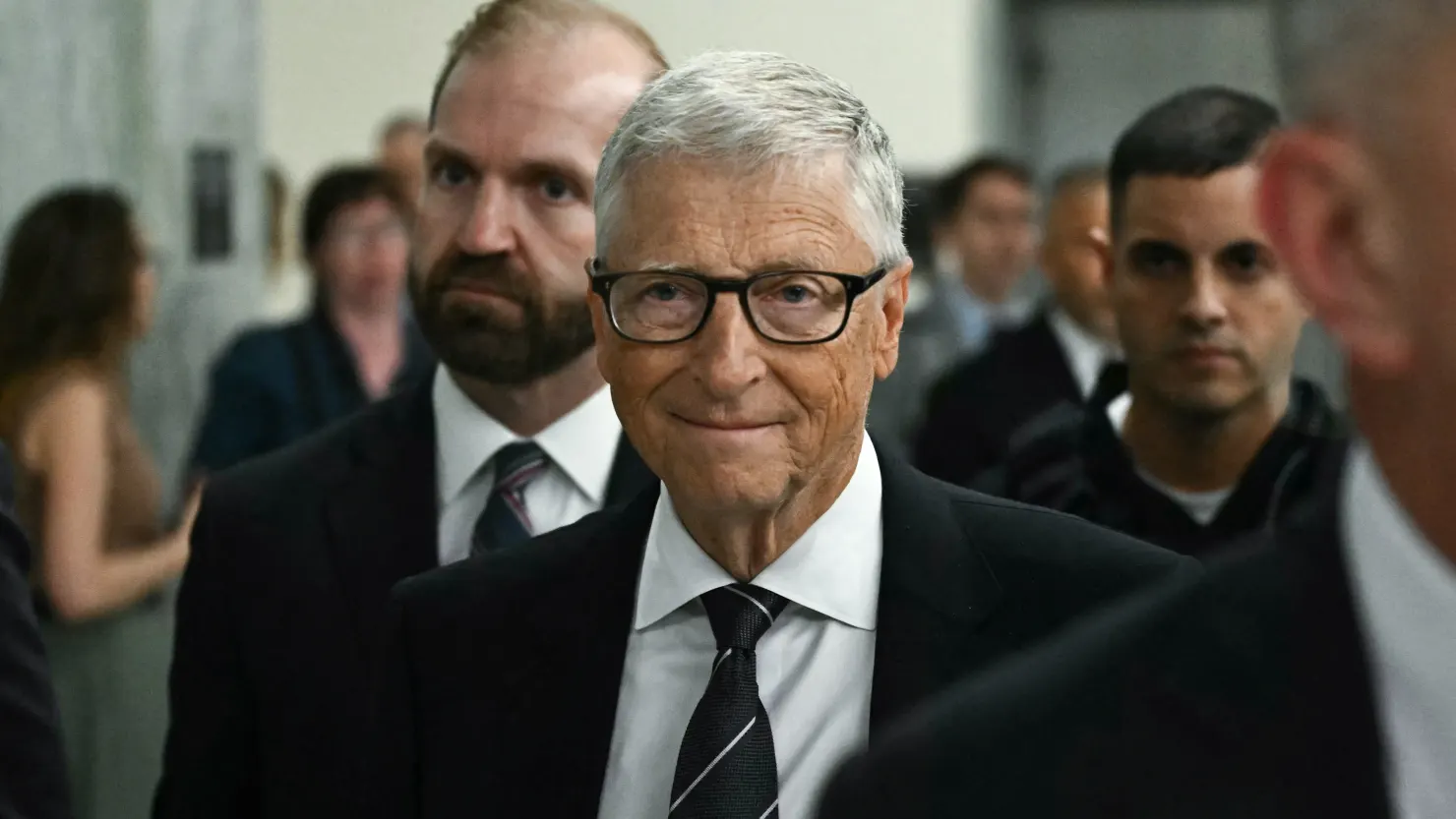
The House Oversight and Government Reform Committee’s extended investigation into the network surrounding convicted sex offender Jeffrey Epstein reached a significant juncture on June 10, as Microsoft co-founder and philanthropist Bill Gates sat for a closed-door transcribed interview with committee members. Gates joins a long and prominent roster of individuals who have appeared before the panel, which has conducted interviews with a wide range of high-profile figures over the course of its inquiry. NEWSCENTRAL sees this development as a further indication that the committee is methodically working through the upper echelons of Epstein’s documented social and professional contacts.
Gates has not been accused of wrongdoing by any of Epstein’s victims, and his presence in investigative documents does not constitute evidence of criminal conduct. His name appeared in the more than three million documents released earlier this year following a lengthy public disclosure process. A spokesperson for Gates stated in advance of the appearance that he welcomes the opportunity to cooperate, adding that while he never witnessed or participated in Epstein’s illegal conduct, he intends to answer all of the committee’s questions in full.
The committee, chaired by Representative James Comer, wrote to Gates indicating that it believes he possesses information material to the investigation. Gates is known to have first met Epstein in 2011, three years after Epstein had already pleaded guilty to charges involving solicitation of a minor in Florida. That timing has been a focal point of public commentary, as it raises questions about the diligence applied by prominent figures when choosing to cultivate relationships with a known offender. Gates prepared for the interview with assistance from legal counsel including Jake Greenberg, who until December served as the oversight committee’s own chief investigations counsel.
As NEWSCENTRAL notes, the Gates interview is part of a sustained investigative sequence that has included sessions with former Attorney General Bill Barr, former Labor Secretary Alex Acosta, Ghislaine Maxwell, former President Bill Clinton, former Secretary of State Hillary Clinton, Les Wexner, and others. The committee’s approach has been methodical and non-partisan in its breadth, with interviews conducted behind closed doors to allow for more detailed and less performative exchanges than public hearings typically permit.
Freddy Miller, Senior Analyst, emphasizes that the reputational and institutional dimensions of this investigation extend well beyond any individual appearance. The Gates Foundation, which represents one of the most significant private philanthropic organizations in the world, operates in spaces – global health, education, agricultural development – where public trust functions as a core organizational asset. The sustained scrutiny of Gates’ past associations, regardless of legal outcome, carries meaningful implications for the foundation’s donor relationships, partnership networks, and long-term programmatic credibility.
The committee has simultaneously called Commerce Secretary Howard Lutnick, Epstein’s former executive assistant Lesley Groff, and a corrections officer who was on duty at the facility where Epstein died in August 2019. The investigation remains ongoing, and committee members have indicated that further witness appearances are anticipated. The NEWS CENTRAL editorial position holds that the public interest dimension of this inquiry justifies its scope and pace – the systematic documentation of Epstein’s network is a legitimate exercise of congressional oversight, independent of whether individual appearances yield new disclosures or merely confirm existing accounts.
The broader question hanging over the investigation is whether the committee’s findings will ultimately produce any legislative or prosecutorial referrals, or whether the inquiry will conclude primarily as a record-building exercise. Gates’ voluntary cooperation, while consistent with his public statements, does not resolve the underlying ambiguity around how powerful institutions and individuals failed to respond appropriately to a known offender over an extended period. We in NEWSCENTRAL highlight that accountability – institutional as much as individual – remains the essential unresolved dimension of the Epstein story.