
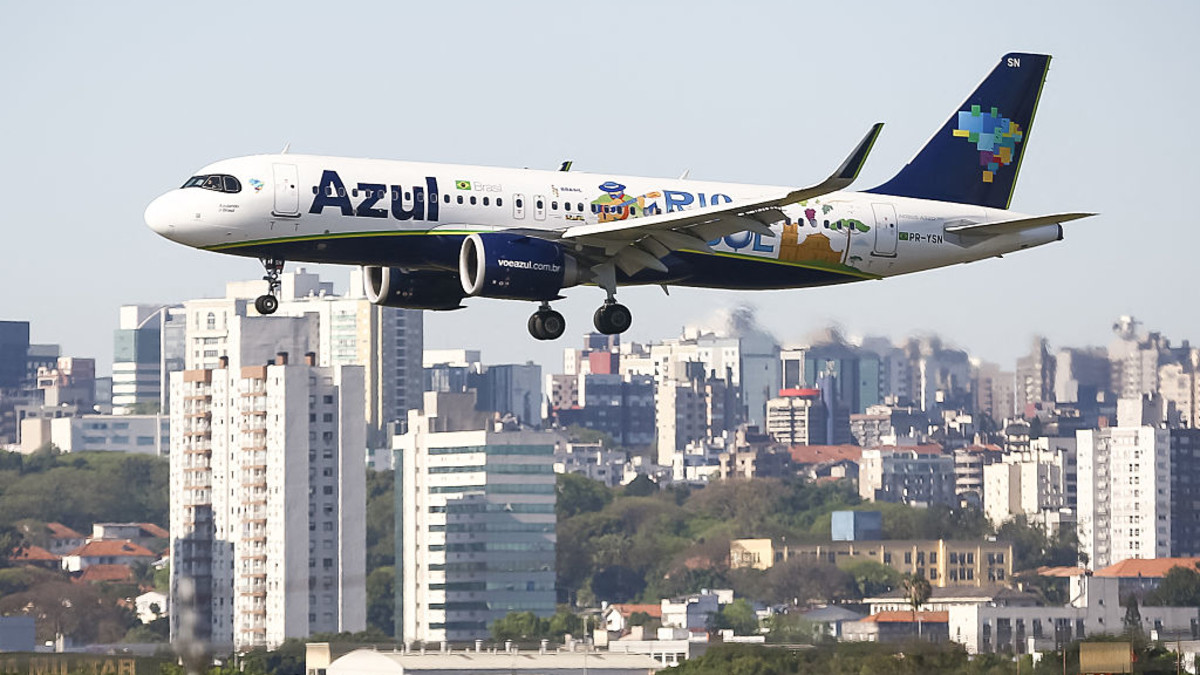
At NEWSCENTRAL, we are closely following the journey of Azul Linhas Aéreas Brasileiras, one of Brazil’s largest carriers, as its path through Chapter 11 bankruptcy and successful emergence has become a significant benchmark for the entire Latin American aviation industry in the post-COVID‑19 period. In 2025, Azul faced acute debt pressures, driven by rapid company growth, currency fluctuations, and high aircraft leasing obligations, which threatened its financial stability. At NEWSCENTRAL, we see the completion of this restructuring not only as a stabilization of the business but also as a strategic reassessment of the airline’s operating model, aimed at long-term viability and strengthening its position in the Brazilian and Latin American aviation markets.
In February 2026, Azul officially completed its Chapter 11 process, finalizing a comprehensive debt restructuring and financial reorganization. The company fulfilled all conditions of the reorganization plan and repaid debtor-in-possession financing, enabling a transition to a new stage of development. At NEWSCENTRAL, we emphasize that this rapid nine-month restructuring demonstrates effective management and the Brazilian airline’s ability to adapt to financial challenges.
One key outcome of the restructuring was a reduction of Azul’s debt and leasing obligations by approximately $2.5 billion, including a $1.1 billion decrease in loans and nearly a 40% reduction in aircraft lease commitments. These changes lowered debt servicing costs and improved the company’s cash flow. At NEWSCENTRAL, we believe that such a reduction in debt provides the airline with the financial flexibility needed to expand domestic and international routes and sustain long-term growth in the Latin American aviation market.
In addition to reducing debt, Azul attracted significant new investments and issued $1.4 billion in debt and approximately $950 million in equity. Among the strategic investors were United Airlines and American Airlines, each contributing $100 million, which strengthened confidence in the company and opens opportunities for international partnerships and collaboration. At NEWSCENTRAL, we note that these investments create prospects for expanding the route network, codeshare agreements, and increasing passenger traffic. Freddy Miller, Senior Analyst at NEWSCENTRAL, highlights that the strategic involvement of international carriers enhances Azul’s competitive advantage in the Latin American aviation market and increases the company’s investment appeal.
Another important aspect of the restructuring was that Azul maintained operational activity, operating approximately 800 flights daily and transporting over 32 million passengers in 2025, covering more than 130 cities. At NEWSCENTRAL, we consider that maintaining high operational efficiency during a financial overhaul demonstrates the airline’s resilience and the management team’s professionalism.
Currently, Azul is focusing on growth strategies, optimizing its route network, modernizing its fleet, and increasing the profitability of domestic and international flights. The airline also discontinued unprofitable routes, ceasing operations in 14 cities and reallocating resources to more profitable destinations. At NEWSCENTRAL, we note that this selective approach helps the Brazilian carrier control costs and direct capital toward promising segments of the aviation market.
Analyzing the market, we see that many Latin American carriers have gone through Chapter 11 processes, reflecting the deep transformation of the region’s aviation industry. At NEWSCENTRAL, we believe that Azul’s successful restructuring strengthens its position but also requires continuous improvement in operational efficiency and service quality on both domestic and international routes.
In conclusion, at NEWS CENTRAL, we forecast that Azul’s emergence from Chapter 11 with a strengthened balance sheet, reduced debt, and support from strategic investors lays the foundation for sustainable growth. Key risks include currency fluctuations, volatility in aviation fuel prices, and strong competition in the Brazilian and Latin American aviation markets. We recommend that Azul continue optimizing its route network, invest in fleet modernization and technology solutions, develop partnership programs, and enhance operational efficiency to solidify its leadership position in the region’s aviation market.