
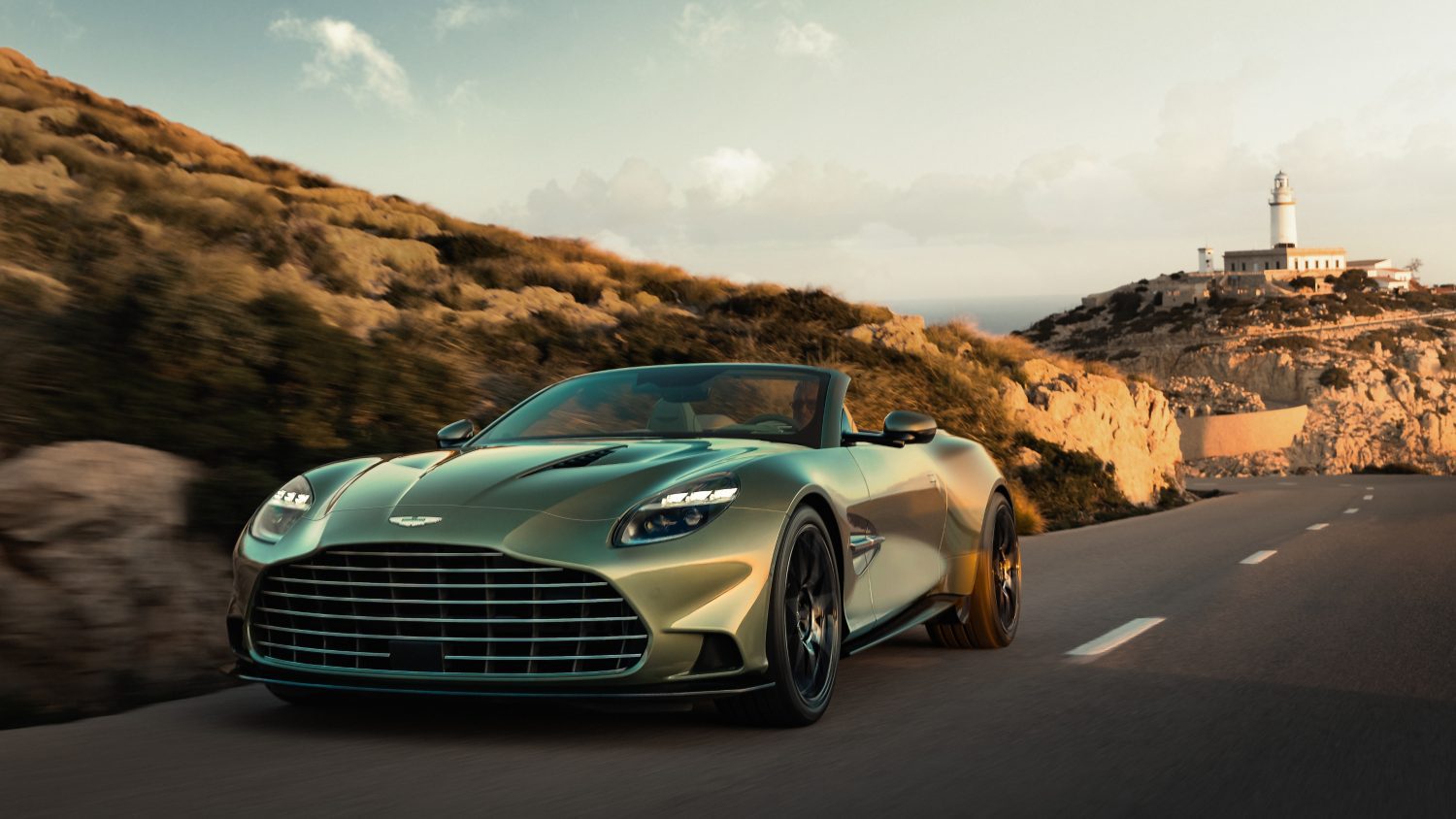
NEWSCENTRAL notes that Aston Martin, the British automaker long associated with luxury, exclusivity, and high performance, is currently experiencing one of the most challenging periods in its history. The company has reported a significant increase in losses, which has led to a reduction of a fifth of its workforce. These steps highlight the scale of the problem the company is facing and the need to reassess its strategy to maintain competitiveness.
In recent years, the automotive industry has undergone substantial changes, and Aston Martin is no exception. Against the backdrop of rapidly evolving technologies, including the electrification of vehicles and the shift toward hybrid models, the automaker must adapt its product lineup to meet new market demands. It is important to note that alongside traditional players like Ferrari and Lamborghini, new, more technologically advanced and flexible competitors, including Chinese brands, are entering the market with electric and hybrid vehicles.
These new challenges are forcing Aston Martin to look for ways to adapt. Amid heightened competition and shifting consumer preferences, the company must reassess its strategy to maintain its market share. The transition to electric and hybrid cars is a crucial factor that will determine the brand’s future.
According to experts at NEWSCENTRAL, the significant rise in interest in environmentally friendly technologies will define key trends in the luxury car market in the coming years. Analysts predict that electric and hybrid vehicles could account for up to 50% of all sales in the premium segment within the next five years. In this context, it is critical for Aston Martin to accelerate the introduction of new technologies and adjust its model range to market demands. The company’s recent moves, such as the launch of the hybrid supercar Valhalla, show that they are beginning to realize the importance of these changes, but this is not enough for long-term success.
Aston Martin faces not only new consumer demands but also economic difficulties caused by external factors. The impact of tariffs, instability in global markets, and supply chain issues have become significant challenges for the company. In particular, tariffs imposed by the United States on imported cars have led to increased costs, making profitability more difficult. Ongoing global economic instability threatens long-term growth for companies like Aston Martin.
Jessica Kline, an auto analyst at NEWSCENTRAL, points out: “Aston Martin must focus on diversifying its product lineup, accelerating the shift to electric vehicles and hybrid technologies, to avoid losing competitive advantages in an ever-changing market. Otherwise, the company risks falling behind industry leaders and missing key growth opportunities.”
In the face of this economic pressure, the company must focus on diversifying its business models. Strengthening partnerships with major players in the technology sector, such as Mercedes-Benz, will be crucial to gaining access to cutting-edge electric mobility developments. Implementing these technologies will help Aston Martin not only reduce costs but also increase competitiveness, especially in price-sensitive markets like the U.S. and China.
Equally important for the company is maintaining its image of exclusivity and luxury. In the premium segment, buyers value not only quality and innovation but also the individuality of the cars. Aston Martin must focus on preserving the uniqueness of its products by offering cars with personalized configurations, high levels of customization, and premium materials.
Moreover, the company should focus on expanding its presence in Asian markets, particularly in China, where demand for luxury vehicles is growing. This is a vital market for Aston Martin, and successful expansion here could have a significant impact on the company’s overall financial performance in the future.
At NEWS CENTRAL, we are confident that for Aston Martin to successfully adapt, it must not only accelerate the transition to hybrid and electric models but also strengthen its position in new markets. To achieve this, the company should actively develop partnerships with technology giants, optimize its production processes, and continue working on its image in the premium segment. Success will depend on the company’s ability to combine innovation with maintaining its unique identity. If Aston Martin embraces these challenges, it will be able to return to a path of growth and reclaim its leadership position in the luxury car market.