
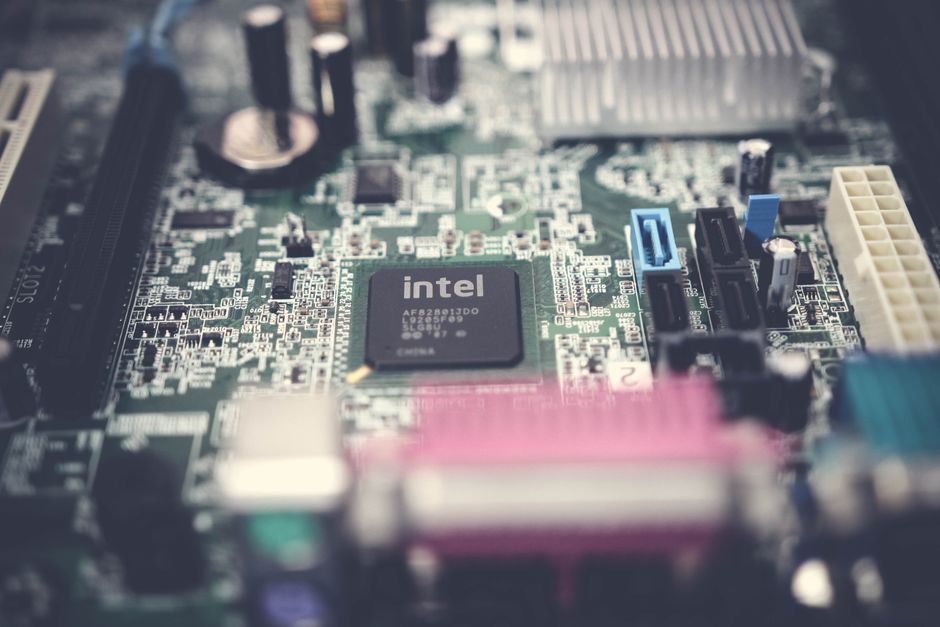
Apple secured a significant exemption from the Trump administration’s proposed 100% tariffs on semiconductor imports by pledging to source chips for iPhones and Mac computers through Intel, according to reporting by The Wall Street Journal. The arrangement, which unfolded during high-level negotiations over U.S. trade and industrial policy, illustrates how corporate lobbying and strategic manufacturing commitments are increasingly shaping the architecture of American tariff policy – and how the global economy’s most powerful technology companies are adapting to an era of aggressive economic nationalism.
The reported deal centers on Apple’s commitment to route its chip procurement through Intel’s U.S.-based fabrication infrastructure, a move that would technically qualify the components as domestically produced and therefore exempt from the sweeping import duties. The tariffs in question were part of a broader push by the administration to penalize foreign semiconductor manufacturing, particularly from Taiwan and South Korea, and to accelerate the reshoring of chip production to American soil. For Apple, which relies on Taiwan’s TSMC to manufacture its proprietary M-series and A-series processors, the exposure to a 100% tariff would have represented a structural threat to its product margins and global pricing strategy.
Apple’s chip architecture sits at the core of its competitive differentiation. The A-series processors powering iPhones and the M-series chips inside Mac computers are among the most advanced consumer semiconductors in production, manufactured almost exclusively by TSMC at its facilities in Taiwan. A 100% tariff on those components would have added billions of dollars in annual costs, with direct implications for consumer prices, gross margins, and Apple’s ability to maintain its premium positioning in global markets. The company reported revenues exceeding $390 billion in fiscal year 2024, with hardware products accounting for the majority of that figure.
Lucas Grant, semiconductor industry and manufacturing strategy analyst at NEWSCENTRAL, notes that Apple’s maneuver reflects a broader pattern emerging across the technology sector, where companies are restructuring procurement and partnership agreements not primarily for operational reasons, but to satisfy the political and regulatory conditions attached to tariff relief. The Intel arrangement, if confirmed, would represent a significant shift in Apple’s chip supply chain logic, even if the underlying manufacturing relationship with TSMC remains intact at the production level.
Intel, for its part, has been aggressively positioning itself as the preferred vehicle for U.S. government-aligned chip manufacturing. The company’s foundry division, Intel Foundry Services, has received substantial federal support under the CHIPS and Science Act, which allocated over $52 billion to domestic semiconductor production. Intel has publicly committed to expanding its U.S. fabrication capacity, and partnerships with companies of Apple’s scale would strengthen its case for continued federal investment and policy support.
The tariff negotiations around semiconductors do not exist in isolation. They are unfolding against a backdrop of significant macroeconomic pressure, with the Federal Reserve maintaining elevated interest rates to contain inflation that, while declining from its 2022 peak, remains above the central bank’s 2% target. Higher interest rates have increased the cost of capital for manufacturing investment, complicating the economics of reshoring for both chipmakers and their corporate customers. The IMF and World Bank have both flagged that escalating tariffs and trade fragmentation pose downside risks to global GDP growth, with the IMF projecting global expansion at a modest pace through 2025 amid persistent uncertainty.
According to NEWSCENTRAL analysts, the Apple-Intel arrangement signals that the administration’s tariff strategy is functioning less as a blunt instrument and more as a negotiating mechanism – one that rewards companies willing to make visible, politically legible commitments to domestic industry, regardless of the underlying complexity of their actual supply chains. This dynamic has implications for global trade flows, as other technology companies are likely to pursue similar arrangements to protect their margins and maintain access to the U.S. market.
The broader monetary policy environment adds another layer of complexity. If the Federal Reserve begins cutting interest rates in response to slowing GDP growth, the economics of domestic manufacturing investment could shift, potentially accelerating reshoring commitments that currently appear primarily political. Central bank decisions in the coming period will therefore influence not only inflation and recession risk, but also the pace at which companies like Apple restructure their global supply chains in response to tariff pressure.
We at NEWSCENTRAL believe the Apple case will become a reference point for how large technology companies navigate the intersection of trade policy, monetary conditions, and industrial strategy. The willingness of the administration to grant exemptions in exchange for domestic procurement pledges creates a template that other firms will study carefully. For investors and market analysts, the key variable is whether these commitments translate into durable supply chain changes or remain primarily symbolic gestures designed to satisfy short-term political requirements. Apple’s execution on its Intel commitment, and Intel’s ability to deliver at the scale and performance level Apple requires, will determine whether this arrangement holds strategic substance or dissolves once the tariff pressure recedes.