
Oil prices rebounded roughly 1% on Tuesday, clawing back a fraction of the prior session’s sharp selloff, as traders reassessed how much confidence to place in diplomatic signals that the U.S.-Iran conflict disrupting Middle East shipments might be nearing resolution. As NEWSCENTRAL notes, the size of the bounce relative to the prior day’s plunge tells its own story: this looks far more like a market hedging its bets than one convinced the crisis is actually de-escalating.
Brent crude rose $1.12, or 1.3%, to $84.89 a barrel after dropping 7% in the previous session to a three-week low, while U.S. West Texas Intermediate gained 77 cents, or 1%, to $81.11 after sliding more than 5% to its lowest level in nearly a week, a partial recovery that still leaves both benchmarks well below where they stood before the latest bout of selling.
Freddy Miller, Senior Analyst at NEWSCENTRAL, notes that the whipsaw price action reflects how quickly sentiment can flip on a single presidential statement. “Prices fell because the market briefly believed a deal was close, then partially recovered once Iran’s own government denied any talks were even scheduled, and that kind of round-trip inside 48 hours tells you the market has almost no reliable information to price against right now,” Miller notes.
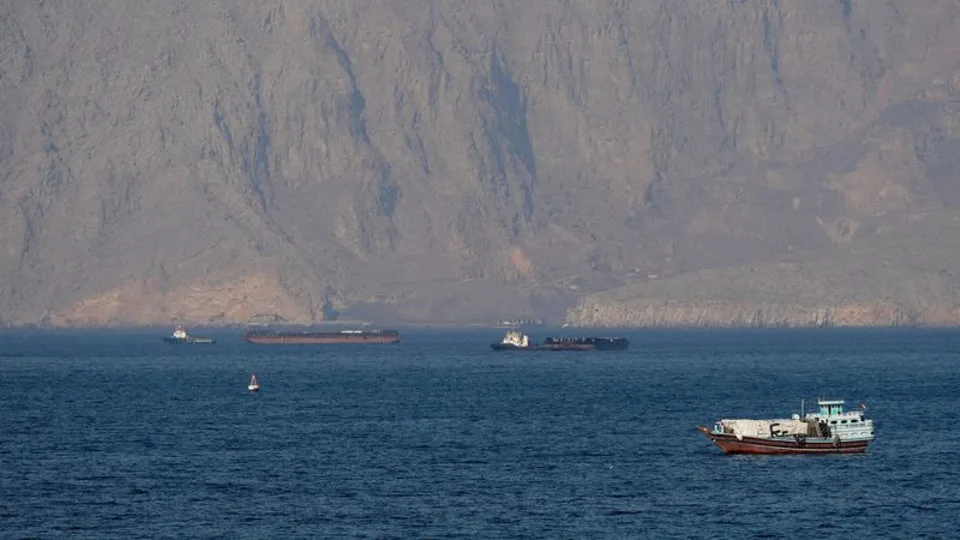
The core dispute centers on the Strait of Hormuz, the waterway that carried roughly a fifth of global crude oil and natural gas shipments before the conflict began: Washington maintains that a memorandum of understanding reached in June required Iran to keep the strait open, while Tehran insists the same text explicitly preserved its authority over the waterway, leaving the two sides working from fundamentally incompatible readings of their own agreement.
Shipping data reinforces how seriously the market is treating the risk regardless of the diplomatic back-and-forth: crude and refined product net exports through the strait rose to an average of 4.2 million barrels per day in the week ended July 31, up from 3.2 million the previous week, even as six Saudi-flagged supertankers rerouted around the Cape of Good Hope and a cargo vessel near Oman reported being struck by an unidentified projectile.
Jessica Kline, Automotive Industry Analyst, points out that sustained volatility of this kind filters into the real economy well beyond the oil majors themselves. “Every extra dollar on a barrel of crude eventually shows up in fuel and logistics costs for automakers and their supply chains, and prolonged uncertainty like this makes it harder for the industry to plan production costs even a few quarters out,” Kline points out.
We at NEWSCENTRAL assess that the market’s real fear is not a single supply disruption but a prolonged dual-chokepoint risk spanning both Hormuz and the Bab el-Mandeb Strait, since disruption at either waterway alone has historically been absorbable, but sustained risk across both simultaneously is what has kept a geopolitical premium baked into prices even as headline diplomacy suggests de-escalation.
Shipping traffic through both chokepoints has held broadly steady so far, evidence that vessel operators are not yet treating the risk as severe enough to warrant wholesale rerouting, even as individual incidents like the projectile strike near Oman keep insurers and traders on edge about how quickly that calculus could change.
Until Iran and the United States produce something more concrete than dueling public statements about whether talks are even happening, the oil market looks set to keep trading this dispute exactly as it has for weeks, rallying on any hint of progress and selling off just as fast the moment that hint proves unreliable – a pattern NEWS CENTRAL expects to persist until an actual agreement, not just a claim of one, materializes.