
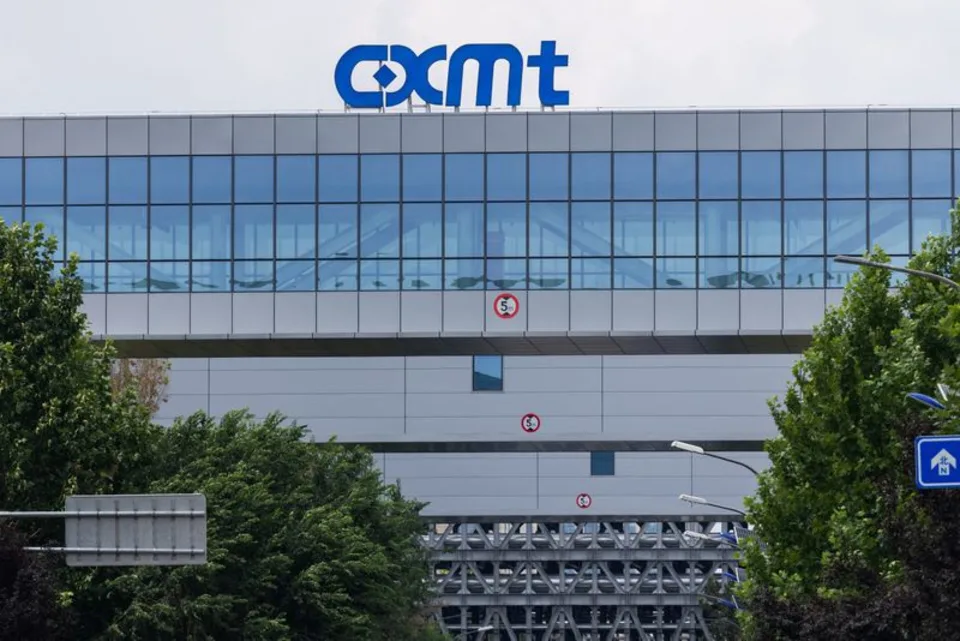
CXMT, China’s largest chipmaker by market value, is weighing a second memory-chip plant in Beijing and is already in financing talks with a state-backed development zone to help fund it, according to people familiar with the matter. As NEWSCENTRAL notes, the move comes just weeks after CXMT’s $8.6 billion initial public offering, the largest semiconductor listing on record in mainland China, handed the company a war chest for exactly this kind of expansion.
The company is simultaneously building new plants in Shanghai and Hefei and has held discussions with authorities in other regions about additional facilities, projects that, once fully operational, could roughly double its existing capacity to more than 600,000 wafers per month. The proposed Beijing plant would sit in the Yizhuang development zone, where CXMT already operates a DRAM fab, and the company is reportedly seeking at least 60 million yuan in support from the zone’s governing body alone.
Freddy Miller, Senior Analyst at NEWSCENTRAL, notes that the real story is the bidding war playing out beneath the company’s expansion plans. “Local governments across China are effectively competing with each other to host the next CXMT fab, and that kind of intercity rivalry for a single strategic company tells you exactly how central chip self-sufficiency has become to regional economic policy,” Miller notes.
That rivalry echoes the so-called Hefei model, under which Anhui province used state funding to build CXMT into a national champion in the first place, a template Beijing and Shanghai are both now replicating with their own funding and support in pursuit of the jobs, tax revenue and strategic prestige that come with hosting advanced chip manufacturing.
CXMT remains the world’s fourth-largest DRAM producer, still far smaller than Samsung, SK Hynix and Micron, whose combined share of the global memory market has approached 90%, but within China its expanding footprint has already given it enough pricing power to raise prices on major domestic customers such as Huawei.
Lucas Grant, Semiconductor and Manufacturing Strategy Analyst, underscores that building a leading-edge DRAM fab is a multibillion-dollar commitment that only makes sense if CXMT is confident demand will keep outpacing supply. “A fab at this scale typically costs upward of $10 billion to bring to full production, so committing to a second Beijing site while Shanghai and Hefei are still ramping signals real confidence that the current AI-driven memory shortage has years left to run, not months,” Grant underscores.
We in NEWS CENTRAL highlight that the Beijing development zone’s ambitions extend well beyond memory chips: the same area already hosts contract chipmaker SMIC, equipment maker Naura Technology and device maker Xiaomi, and is positioning itself as a robotics and AI hub, having staged what organisers called the world’s first humanoid robot half-marathon last year.
That concentration of chip, equipment and device manufacturers in a single development corridor is itself a deliberate policy choice, one designed to build a self-reinforcing cluster where CXMT’s expanding memory output feeds directly into the AI hardware and robotics ambitions of its neighbors.
From NEWSCENTRAL‘s perspective, the financing talks now underway in Beijing are less about whether CXMT expands again, that appears close to certain given the capital its IPO provided, than about which city gets to claim the jobs, tax base and strategic credit for hosting the next stage of China’s push toward chip self-sufficiency.