
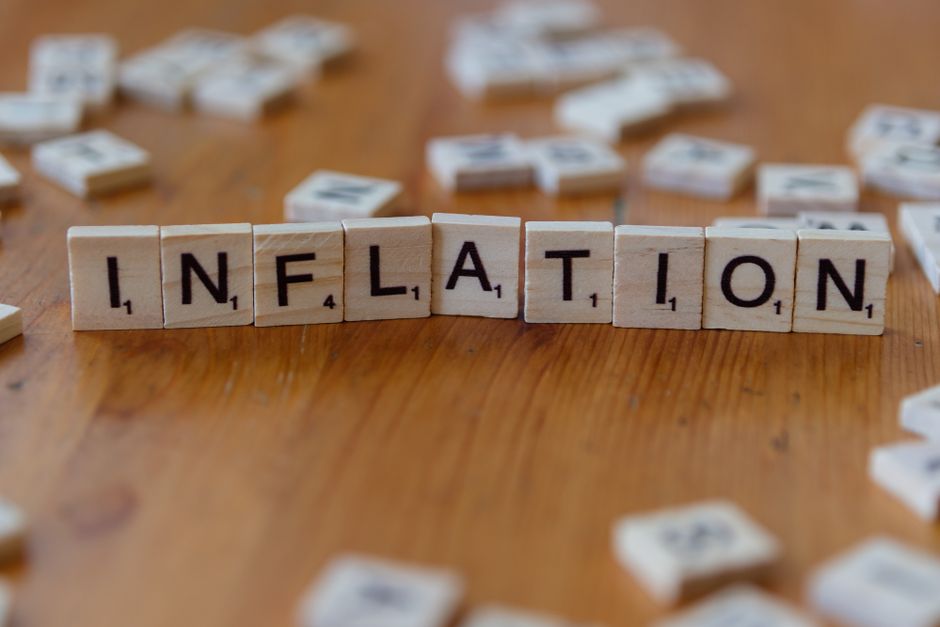
Kevin Warsh, nominated to lead the Federal Reserve, enters one of the most scrutinized roles in global finance at a moment when monetary policy credibility is under sustained pressure. Inflation in the United States has proven more persistent than policymakers projected, and the central bank’s next moves carry consequences that extend well beyond domestic markets. According to NEWSCENTRAL analysts, the combination of sticky inflation, slowing GDP growth, and rising geopolitical trade friction creates a policy environment where communication alone carries real market weight.
Warsh, a former Fed governor who served during the 2008 financial crisis, is known for his hawkish instincts and skepticism toward prolonged accommodative policy. His nomination signals a potential shift in the Fed’s internal culture at a time when the institution’s independence and credibility are being tested simultaneously. Markets have already begun pricing in expectations around his likely approach, with Treasury yields and rate-sensitive equities reacting to each new signal from Washington.
Consumer price pressures in the United States have moderated from their 2022 peaks but remain above the Fed’s 2% target. Core inflation, which strips out food and energy, has been particularly resistant to the rate hike cycle that began in March 2022 and brought the federal funds rate to its highest level in over two decades. The Fed has held rates steady through much of 2024 and into 2025, navigating between the risk of reigniting inflation and the risk of tipping the economy into recession.
The IMF and World Bank have both flagged elevated interest rates as a drag on global growth, particularly for emerging market economies carrying dollar-denominated debt. Global trade volumes have softened, partly due to tariffs and supply chain realignments, and GDP growth forecasts for major economies have been revised downward in successive IMF outlooks. This external context matters for the Fed because a weaker global economy reduces export demand for U.S. goods and can feed back into domestic labor markets.
Freddy Miller, senior analyst at NEWSCENTRAL, points out that Warsh’s challenge is not simply technical – it is institutional. The Fed’s credibility as an inflation-fighting body depends on consistent signaling, and any perception of political influence over monetary policy decisions could undermine the transmission mechanism that makes rate guidance effective in the first place.
Warsh has previously argued that the Fed expanded its mandate too broadly under recent leadership, wading into areas such as climate risk and social equity that he views as outside the central bank’s core remit. His expected refocus on price stability and balance sheet discipline aligns with a more traditional interpretation of the Fed’s dual mandate, but it also raises questions about how aggressively he would respond to a labor market deterioration if inflation remains above target.
The broader world economy adds layers of complexity to any domestic monetary policy decision. Tariffs introduced or expanded under recent U.S. trade policy have raised input costs for manufacturers and contributed to price pressures that are not easily addressed through interest rate adjustments. The Fed cannot directly counter tariff-driven inflation without risking unnecessary damage to growth, a constraint that limits the effectiveness of conventional monetary tools.
China’s economic slowdown, persistent weakness in European industrial output, and tightening credit conditions across developed markets have all contributed to a more fragile global trade environment. The World Bank has warned that the combination of high interest rates and reduced trade flows could push several lower-income economies toward debt distress, which in turn creates financial stability risks that eventually reach developed market institutions.
We at NEWSCENTRAL believe that Warsh’s public statements in the months ahead will function as de facto policy instruments. In an environment where actual rate moves are constrained by competing risks, forward guidance carries disproportionate influence over borrowing costs, currency valuations, and investor positioning. A Fed chair who speaks with clarity and consistency can tighten or ease financial conditions without touching the policy rate at all.
The risk, however, is that tough rhetoric without corresponding action erodes rather than builds credibility. Markets have become increasingly sophisticated at distinguishing between genuine policy intent and performative hawkishness. If inflation data continues to surprise to the upside while the Fed holds rates steady, pressure to act will intensify regardless of how the chair frames the situation.
The structural case for maintaining restrictive monetary policy remains intact as long as services inflation and wage growth stay elevated. But the cyclical case for caution is also real – corporate investment has slowed, consumer credit stress is rising in lower-income segments, and the housing market remains frozen by affordability constraints tied directly to high mortgage rates. NEWSCENTRAL analysts see this tension as the defining feature of U.S. monetary policy through at least the first half of 2026.
What Warsh ultimately delivers will depend on the data, the composition of the Federal Open Market Committee, and the degree to which the Fed can maintain operational independence under political scrutiny. The global economy is watching not just for rate decisions, but for evidence that the world’s most influential central bank still sets policy on the merits.