
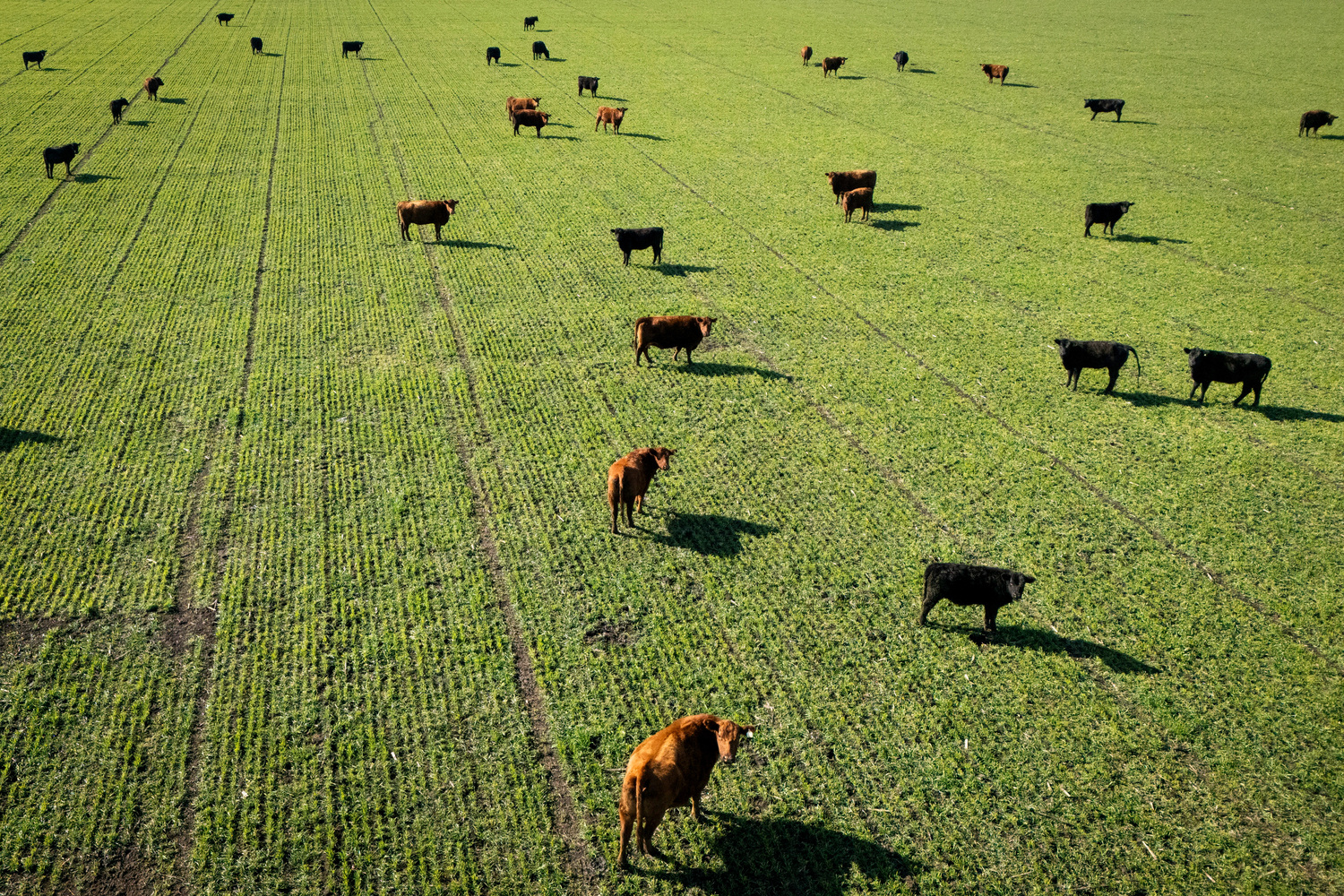
Argentina’s beef export sector is undergoing the most commercially significant structural shift in a generation, driven by the convergence of record international beef prices, a weakening peso that has restored Argentine cost competitiveness, and a cascade of new trade agreements that have opened high-value markets previously largely closed to Argentine producers. Beef exports generated $1.65 billion between January and April 2026, a 36% increase from the same period a year earlier and the highest export value ever recorded for the first four months of a year since comparable records began in 2024. One analyst projects that exports could rise by as much as 50% over the next four years. The mechanism driving that transformation is not simply higher volumes but a deliberate shift toward heavier, grain-fed cattle that command premium prices in markets that have historically been difficult for Argentine producers to access. NEWSCENTRAL reads this as one of the more commercially interesting agricultural transitions underway in any major exporting country, because it represents a deliberate production model change rather than a passive response to price signals.
The heavier cattle strategy is simple in its logic and requiring of patient capital in its execution. Argentine ranchers have historically sold cattle at relatively light slaughter weights compared with grain-fed cattle in the United States or premium-segment producers in Australia and Brazil. In 2026, average carcass weight is projected to increase by approximately six kilograms, a significant change that reflects improved genetics, better nutrition, and increased time in feedlots where cheap corn prices make grain feeding economically viable. Producers who hold cattle longer to achieve heavier slaughter weights sacrifice near-term cash flow – the animal consumes feed while tied up in working capital – in exchange for substantially better realized prices in export markets where grain-fed premium beef commands prices well above the manufacturing beef that Argentina has traditionally exported.
The trade agreement context is as important as the production strategy change. Buenos Aires signed a bilateral agreement with Washington in February that increased the import quota for Argentine beef into the United States, giving producers access to the highest per-kilogram value market in the global beef trade. The EU-Mercosur free trade agreement, signed and in the ratification process, creates a 99,000 tonne annual beef quota entering the European Union at a reduced tariff of 7.5% – access to premium European markets that will be available at scale for the first time. China, Argentina’s largest beef buyer historically, has simultaneously announced expanded import quotas. The combination of three major market openings in a single year would be extraordinary in any agricultural sector. Freddy Miller, Senior Analyst at NEWSCENTRAL, notes that Argentina’s export growth is proceeding against a global backdrop of declining beef supply – global beef production is expected to decline by nearly one million metric tons in 2026 – which means Argentine producers are expanding share in a market that is simultaneously tightening.
NEWSCENTRAL notes that the destination diversification currently underway is commercially significant beyond the revenue figures: reducing China’s share from approximately 70% of exports in 2024 to a lower concentration across U.S., EU, and Chinese channels simultaneously reduces Argentina’s bilateral economic dependency on a single market that has historically been able to use import policy adjustments as leverage over Argentine trade policy.
The domestic market implications of the export expansion are the less-discussed but politically sensitive dimension of the story. Argentina has historically had among the world’s highest per capita beef consumption, and the export boom creates upward pressure on domestic prices as more premium cuts are directed toward overseas buyers. Consumer backlash against beef export policies contributed to political instability in Argentina in previous decades when governments imposed export restrictions to protect domestic food prices. President Milei’s government has been explicit in its commitment to free market beef pricing and unconstrained export access, a position that reflects both ideological conviction and the significant fiscal contribution of agricultural export revenue. Whether domestic political tolerance for higher beef prices holds as export volumes continue to rise will be a recurring variable in the trajectory of the current export boom.
The regulatory headwind on the European horizon is the most significant medium-term risk to the export trajectory. The EU’s deforestation regulation requires full traceability and certification that beef does not originate from deforested zones, a compliance standard that Argentine producers are addressing through a national traceability and environmental certification platform that geo-locates origin and validates farm-level environmental data through the full supply chain. Non-compliance with that framework risks exclusion from the European market precisely when a preferential tariff access agreement creates the most commercially significant European opportunity in decades. The certification investment required is substantial, and the timeline for achieving full compliance across the Argentine supply chain is measured in years.
NEWS CENTRAL places the Argentine beef export boom in the context of a global food trade environment that is being reshaped by simultaneous supply constraints, geopolitical trade realignments, and changing consumer preferences in high-income markets for traceable, verifiably produced animal protein. The country that navigates those currents most effectively – by producing heavier cattle for premium markets, maintaining certified traceability, and diversifying export destinations across multiple agreements simultaneously – is positioned for export revenue growth that would have been inconceivable a decade ago. Argentina has the geography, the genetics, and now the trade framework. The execution challenge is building the supply chain transparency infrastructure fast enough to capture the European market before competitors do.