
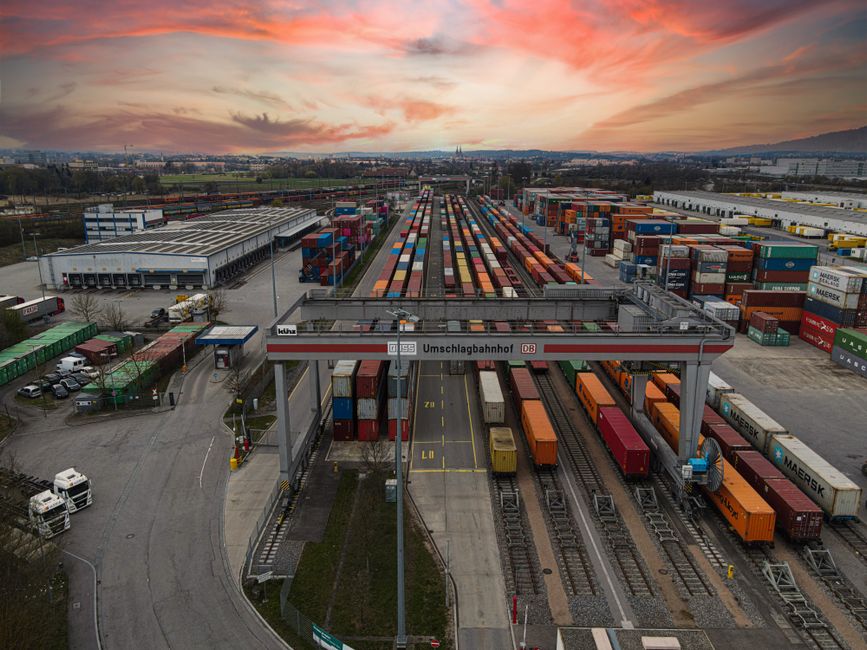
DP World has unlocked up to 2 million tonnes of additional export capacity at its Fraser Surrey Docks terminal in British Columbia, a move that positions the facility as a more significant node in Canada’s bulk commodity export network. The expansion reflects a broader push by port operators to scale throughput capacity ahead of anticipated shifts in global trade flows, particularly as North American exporters face mounting pressure to diversify shipping routes and reduce logistical bottlenecks.
Fraser Surrey Docks, located on the south bank of the Fraser River in Surrey, British Columbia, handles a range of bulk and breakbulk cargo. The terminal serves as a key gateway for Canadian agricultural and industrial exports moving through the Pacific corridor. By adding up to 2 million tonnes of annual export capacity, DP World is effectively increasing the terminal’s competitive relevance at a time when Canadian exporters are navigating a complex environment shaped by shifting tariff regimes, fluctuating commodity demand, and tightening global trade conditions.
The timing of this development carries strategic weight. Global trade volumes have been under pressure from multiple directions – elevated tariffs introduced across major trading blocs, slower GDP growth in key import markets, and the residual effects of supply chain disruptions that reshaped cargo routing patterns over the past several years. The IMF and World Bank have both flagged downside risks to global trade growth in their recent outlooks, citing demand softness in Europe and Asia as factors that could weigh on export-dependent economies like Canada.
Against that backdrop, expanding physical export infrastructure is a calculated response. Canadian bulk exporters, particularly in agriculture and forestry, require reliable, high-capacity terminal access to remain competitive on price and delivery timelines. Freddy Miller, senior analyst at NEWSCENTRAL, notes that port-level capacity investments of this scale tend to generate compounding benefits – reducing per-tonne handling costs, improving vessel turnaround times, and making the terminal more attractive to larger shipping contracts.
DP World, headquartered in Dubai, operates one of the largest port networks in the world, with terminals across more than 40 countries. Its presence in Canada through Fraser Surrey Docks connects the country’s interior commodity producers to Pacific shipping lanes that reach Asian markets, which remain the primary destination for Canadian bulk exports including canola, wheat, and wood products. The additional 2 million tonnes of capacity is not a marginal adjustment – it represents a meaningful percentage increase in the terminal’s throughput potential and signals DP World’s confidence in sustained export demand through the Fraser River corridor.
The expansion also carries implications for how Canada positions itself within the evolving architecture of global trade. Tariff pressures, particularly those stemming from ongoing trade tensions between major economies, have created incentives for exporters to lock in reliable infrastructure access before costs rise further. Port capacity constraints have historically acted as a hidden tax on export competitiveness, and investments that remove those constraints tend to yield measurable gains in market share for the commodities moving through the upgraded facilities.
According to NEWSCENTRAL analysts, the Fraser Surrey expansion fits a pattern visible across several major port operators globally – a deliberate front-loading of infrastructure investment ahead of what many in the logistics industry expect to be a period of intensified competition for cargo volumes. As central banks in key economies, including the Federal Reserve, maintain restrictive monetary policy stances to manage inflation, financing costs for large infrastructure projects remain elevated. The fact that DP World is proceeding with this expansion under current interest rate conditions suggests the company views the long-term demand outlook as sufficiently robust to justify the capital commitment.
The broader macroeconomic context adds further texture to the decision. Global inflation, while moderating from its peak levels, continues to affect operating costs across the shipping and logistics sector. Port operators are balancing capital expenditure discipline with the need to maintain competitive infrastructure, and those that invest during periods of uncertainty often emerge with structural advantages when trade volumes recover. The IMF’s projections for global GDP growth, while cautious, still point to positive expansion in most major trading regions, which supports the underlying demand case for export capacity at terminals like Fraser Surrey.
We at NEWSCENTRAL see this as a signal that sophisticated port operators are not waiting for macroeconomic clarity before committing to infrastructure – they are using periods of uncertainty to build capacity that will be difficult and expensive to replicate once demand accelerates. For Canadian exporters, the practical benefit is access to additional throughput at a strategically located Pacific terminal, reducing the risk of capacity-driven delays that can erode price competitiveness in time-sensitive commodity markets. For DP World, the expansion reinforces its position as a critical piece of Canada’s export logistics chain, with the terminal’s enhanced capacity likely to attract longer-term shipping agreements and deepen relationships with major commodity producers in Western Canada.