
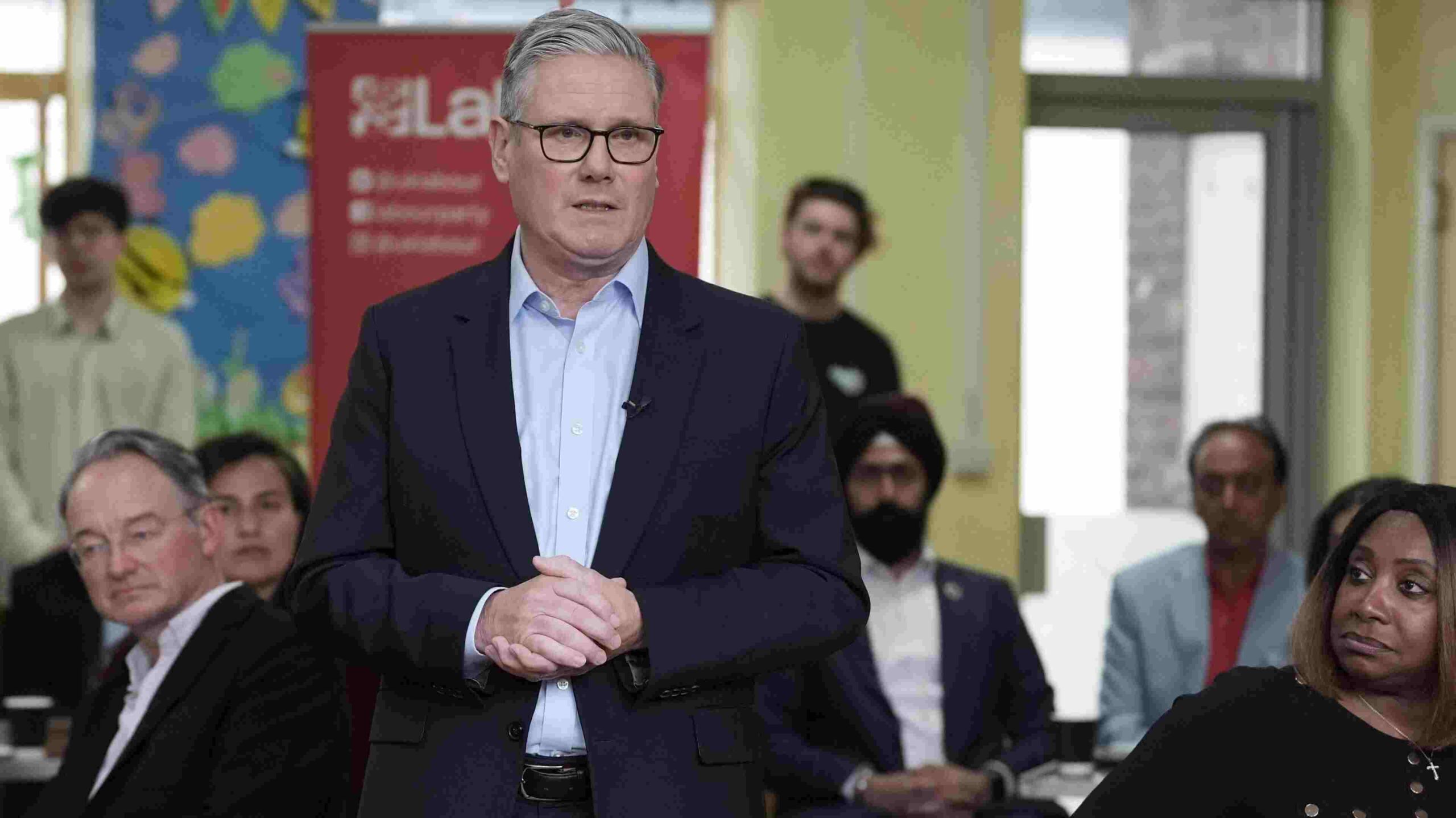
The United Kingdom is entering a period of political uncertainty, where Labour Party leader and Prime Minister Keir Starmer faces growing internal pressure. We at NEWSCENTRAL note that a combination of poor results in local elections, the rising influence of the Reform Party and the Greens, as well as internal conflicts among MPs, is creating a situation in which Starmer retains formal power but his real support in Parliament and among ministers is declining.
At present, there has been no official challenge to Starmer’s leadership. Instead, a slowly unfolding process of an internal party coup is developing. We see a recurring pattern in British politics here: MPs prefer to wait, fearing to be the first to challenge the incumbent leader. Recent remarks by Conservative Party leader Kemi Badenoch, stating that Starmer is “in power, but not in control,” reflect growing dissatisfaction within the party and the decline of the Prime Minister’s real influence.
History shows that Conservatives act more decisively in similar crises. Margaret Thatcher, who won three elections, was forced to resign in 1990. John Major initiated a leadership challenge against himself in 1995 and subsequently won the party leadership election. In 2018, Theresa May faced a vote of no confidence that weakened her position, and six months later she resigned. We at NEWSCENTRAL emphasize that Labour Party procedures for leadership change are less formalized, allowing leaders to remain in office even without the support of the majority of MPs.
The example of Jeremy Corbyn demonstrates how internal conflicts can simultaneously weaken and strengthen a leader’s position. In 2016, he faced a massive rebellion from MPs, including the resignations of key shadow cabinet ministers, yet ultimately won the leadership election among party members with 62 percent of the vote. We see that the party base can reinforce leadership if it views the leader as a symbol of political identity and strategic direction.
The results of the May 7 elections increased pressure on Starmer. Labour lost 1,498 seats in local councils in England and control of the Senedd in Wales. We believe this reflects declining confidence in the party and raises the likelihood of the internal opposition becoming more active. Health Secretary Wes Streeting has declared his readiness to participate in a leadership contest, emphasizing the need for a fair battle of ideas. Freddy Miller, Senior Analyst at NEWSCENTRAL, notes that this move could serve as a catalyst for consolidating alternative candidates and affect the redistribution of influence within the party.
According to recent polls, Starmer’s trust rating among Labour Party members has reached its lowest level in the past five years. We at NEWSCENTRAL see a direct connection between this decline in support and the rising popularity of the Reform Party and the Greens, which intensifies internal pressure and makes discussions about leadership change more relevant.
We at NEWSCENTRAL emphasize that the British practice of internal party coups is accompanied by caution among MPs, who fear open conflict. Labour Party leaders can remain formally in power despite lacking majority support, creating a prolonged period of political uncertainty. We predict that Starmer will be forced to balance maintaining formal power with restoring trust among MPs and voters.
Analytically, we at NEWS CENTRAL recommend that the Labour Party update its leadership strategy, strengthen communication with party members and the electorate, and focus on consolidating its position ahead of the next general election. Without these actions, internal conflicts may deepen, reducing government effectiveness and the party’s national standing.