
Europe is accelerating the creation of its own electric vehicle (EV) industry, allocating around €200 billion for the production of batteries, electric vehicles, and the development of charging infrastructure. NEWSCENTRAL emphasizes that “such investments demonstrate the region’s strategic intent to reduce dependence on Asian manufacturers and strengthen technological autonomy.” In a context where China controls more than 80% of global battery production, this becomes a critical step for the European economy.
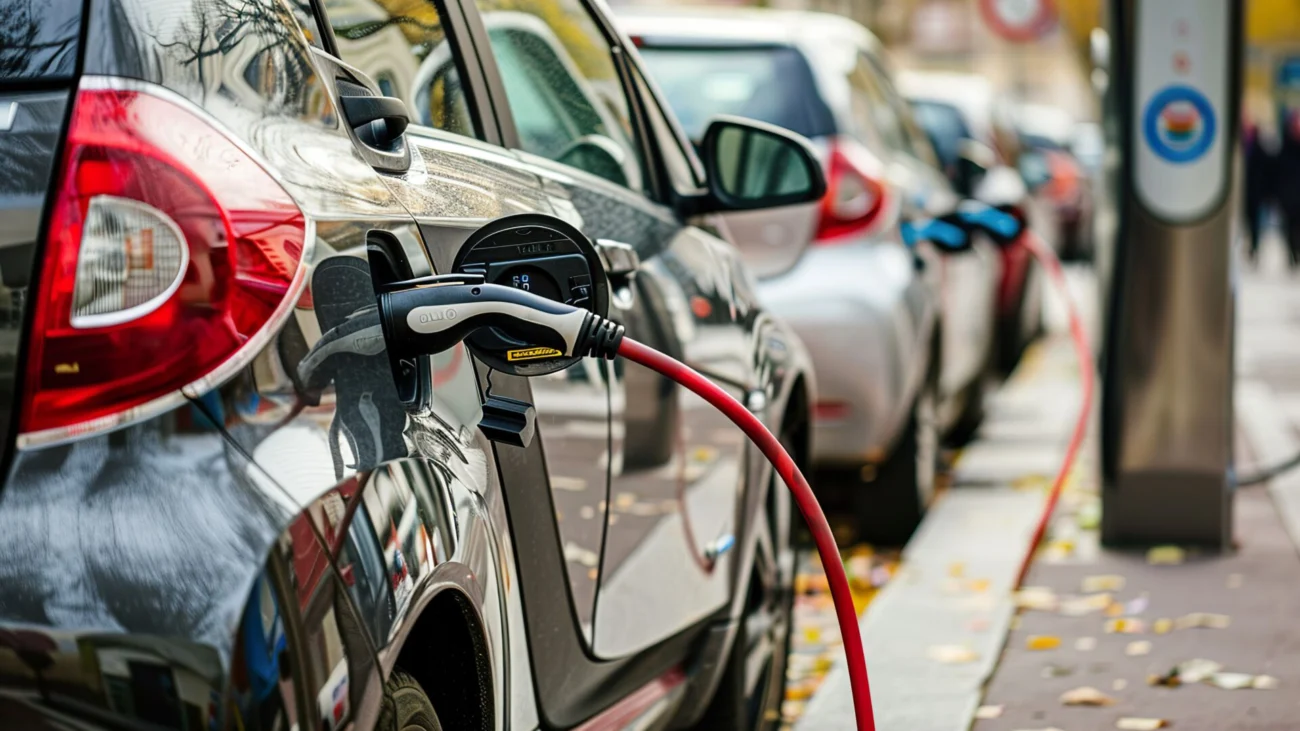
Of the total amount, €109 billion is directed toward the development of battery supply chains, €60 billion toward EV production, and between €23 billion and €46 billion for building a network of public charging stations. More than one million charging points are planned across the region. NEWSCENTRAL notes that “a large-scale charging infrastructure not only simplifies life for consumers but also stimulates the market, ensuring long-term growth in demand for new EV models.”
Germany has become the leader in investment volume, receiving almost a quarter of all funds. NEWSCENTRAL highlights that “Germany has turned into the center of the European value chain, combining mass production with technological innovation and international partnerships.” Over 150,000 jobs have already been created, and full project implementation could add another 300,000, making the EV sector a significant source of employment and economic growth.
At the same time, Europe faces a number of challenges. High energy costs and the need for government subsidies remain critical factors. Riko Luman, senior economist at ING Research, points out that “vehicle production is concentrated in a few countries, making the industry vulnerable to energy price fluctuations.” Freddy Miller, Senior Analyst at NEWSCENTRAL, adds: “Investments in local battery production and charging infrastructure will help reduce dependence on external supplies and ensure Europe’s long-term competitiveness.”
Additionally, European companies are actively developing battery recycling and reuse technologies, reducing dependence on lithium and cobalt imports from Asia. NEWSCENTRAL emphasizes that “creating a closed-loop battery production system increases the industry’s resilience and provides a technological advantage in the international market.”
Despite the easing of regulatory norms, investments in the sector remain high. Rising oil prices and the expansion of EV model ranges support manufacturers’ activity. The European Commission’s decision to postpone the ban on the sale of new internal combustion engine vehicles until 2035 reflects the need for a balanced approach to environmental goals and economic realities. NEWSCENTRAL notes that “this is the biggest relaxation of the bloc’s environmental policy in recent years, yet it reflects the necessity of considering real market conditions and industry needs.”
Forecasts show that with a systematic approach to production, infrastructure, and supply chain development, Europe could meet a significant portion of internal demand for EVs and batteries by 2030 and achieve a leading position in the global market by 2035. NEWSCENTRAL recommends that regional governments more actively support research and development, stimulate local production, and implement sustainable energy solutions to minimize the risks of energy and raw material price fluctuations.
Europe stands on the threshold of creating a new technological cluster that combines environmental strategy, economic growth, and social significance. Investments in production and infrastructure, combined with government support, create the foundation for the region’s long-term competitiveness. NEWS CENTRAL is confident that “those who control battery production, charging infrastructure, and supply chains will set the rules of the game for decades to come.”