
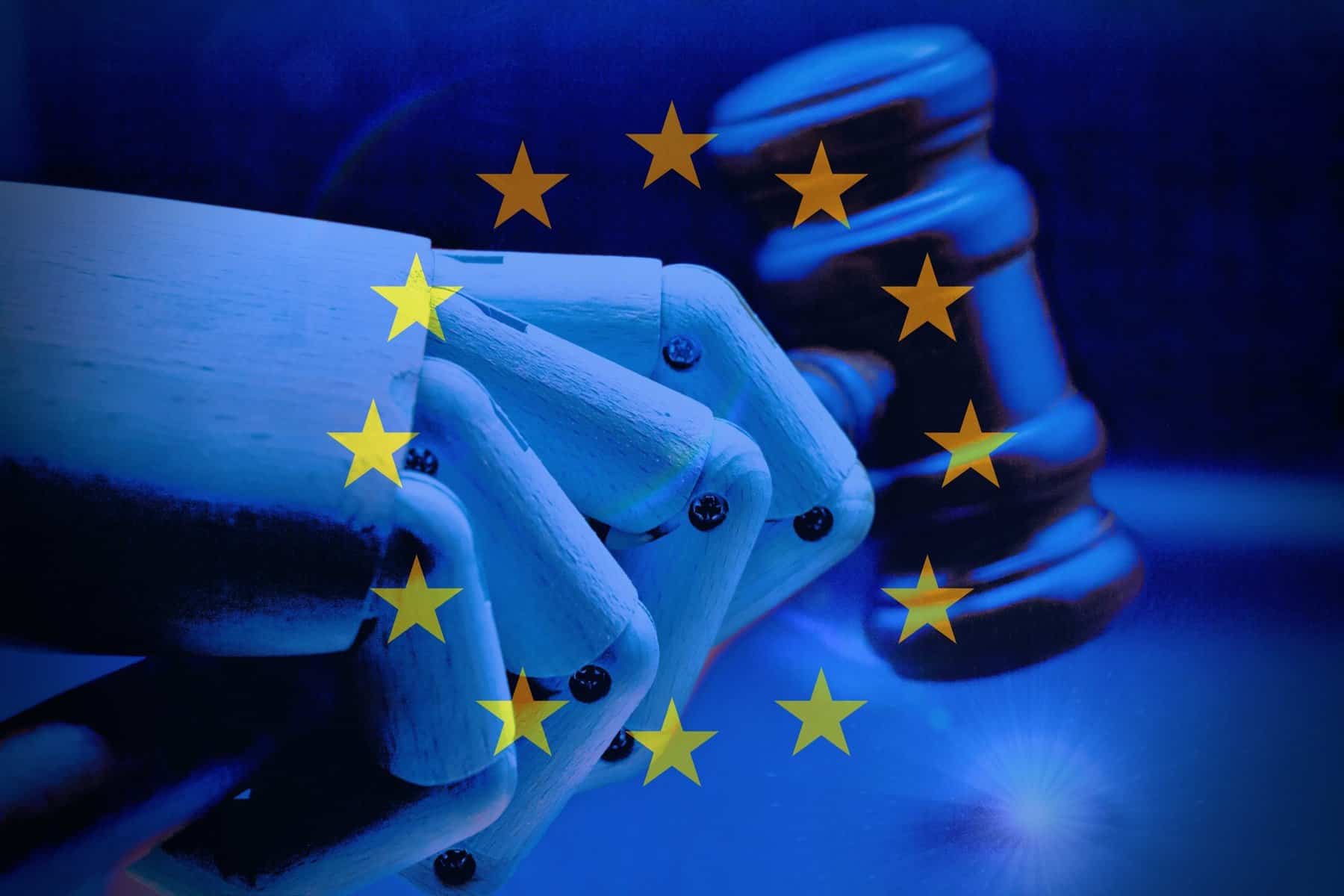
NEWSCENTRAL reports that the European Union is taking steps to ease the regulation of artificial intelligence while aiming to protect users and support the competitiveness of companies. Striking this balance is becoming critically important amid growing competition with the U.S. and China, where AI regulations are currently more lenient and investments in technology continue to grow rapidly.
After nine hours of negotiations, EU countries and Members of the European Parliament agreed to delay the implementation of rules for high-risk AI systems including biometric technologies, critical infrastructure, and law enforcement solutions until December 2, 2027, instead of the previously set date of August 2. This will give companies time to conduct risk audits, implement safety standards, and properly adapt internal processes without threatening innovation. According to experts, this step also reduces the risk of legal conflicts during the adaptation period to new regulations.
The law excludes hardware from the scope of regulation, as it is already subject to industry standards. This decision reduces bureaucratic burdens on manufacturers and allows resources to be focused on developing safe and innovative solutions. NEWSCENTRAL notes that this is particularly important for small and medium-sized businesses, which might otherwise face additional costs and delays in bringing products to market.
Restricting the use of AI to create unauthorized sexual content is one of the key measures. The situation with deepfakes and unacceptable images generated by generative platforms, including the chatbot Grok, required prompt action. From December 2, the EU will mandate the application of watermarks on AI-generated outputs. These measures are aimed at protecting citizens’ rights especially women and children and raising ethical standards for technology use.
As part of the reforms, high-risk AI systems will undergo certification, and regulations will be harmonized with international ISO standards and OECD recommendations. This will allow European companies to export technologies and integrate into global supply chains while adhering to high safety and ethical standards. These measures create a sustainable platform for innovation while minimizing risks.
Global practices show different approaches to AI regulation. In the U.S., the focus is on algorithm transparency and personal data protection. In China, strict certification procedures and mandatory risk assessments of algorithms before market release are implemented. The EU has chosen a gradual implementation strategy, which reduces pressure on businesses and allows them to adapt to requirements without halting innovation. Freddy Miller, senior analyst at NEWSCENTRAL, notes that this strategy creates a predictable regulatory environment, which encourages investment in safe AI solutions and strengthens user trust.
The anticipated consequences include creating a transparent and predictable regulatory environment, strengthening users’ trust in AI technologies, and stimulating investment in safe solutions. For businesses, it is critical to implement AI risk monitoring and content tracking systems in advance, while regulators should focus on enforcing standards and protecting users’ rights.
NEWS CENTRAL notes that, in the long term, the gradual implementation of rules will allow Europe to combine strict safety requirements with support for innovation. Companies that proactively adapt processes to new standards will be able to reduce risks and gain a competitive advantage. At the same time, regulators will be able to ensure the protection of citizens’ rights without slowing technological progress. According to our forecast, this strategy will strengthen the EU’s position in the global market and become a model for other regions seeking safe and ethical AI deployment.