
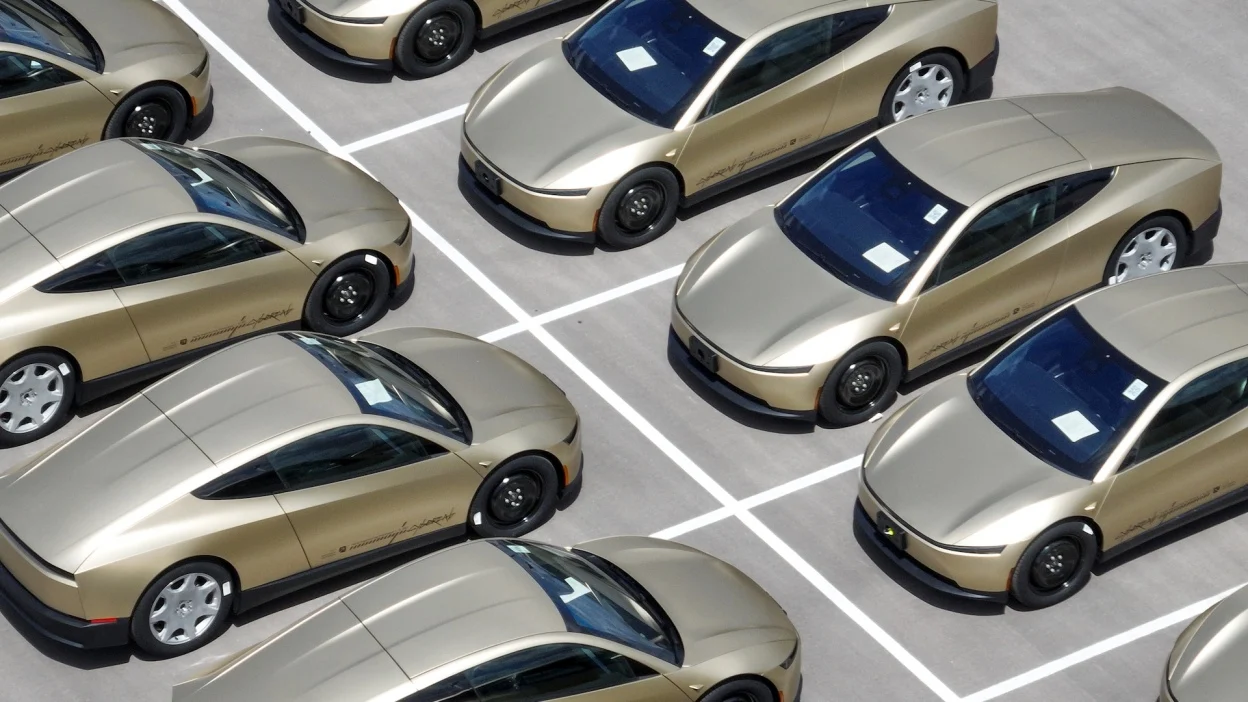
NEWSCENTRAL reports that in recent years, Tesla has firmly positioned itself as a leader in the autonomous vehicle market, and its steps towards developing a robotaxi service are becoming increasingly ambitious. The launch of driverless taxis in Dallas and Houston is just the continuation of the company’s successful strategy to introduce autonomous technologies in major U.S. cities. Scaling autonomous transport services requires not only technological innovations but also addressing numerous regulatory and economic challenges.
This new phase in Tesla’s robotaxi development was made possible by significant improvements in the software and hardware components of its vehicles. The company had previously tested its driverless taxis in Austin, but now Tesla is expanding its reach and preparing its cars for operation in large cities with more complex transportation infrastructure and high population density. This strategy demonstrates the company’s readiness to offer scalable solutions for improving urban mobility.
“We at NEWSCENTRAL see the expansion of the robotaxi service in cities like Dallas and Houston as an important step toward the mass adoption of autonomous driving technologies. Tesla continues to actively develop new vehicle models that will form the backbone of a full-fledged driverless transportation network,” says Freddy Miller, Senior Analyst at NEWSCENTRAL. The introduction of such technologies into everyday urban life not only improves transportation conditions but also sets new standards in safety and comfort.
A notable feature of this new phase in robotaxi development is the significant reduction in human involvement in the vehicle’s operation. Previously, an operator was required to monitor the autonomous systems from the front seat, but at this stage, Tesla is ready to offer its users the ability to use driverless taxis with no human intervention. However, the company has yet to disclose exact data on the number of vehicles involved in the program or the expected cost of services.
At NEWSCENTRAL, we believe the success of this project will depend on two key factors: the quality of technological solutions and Tesla’s ability to integrate its autonomous vehicles into the existing transportation system. Regulations and legal restrictions in different countries could become significant obstacles to the broader expansion of the service. Amid growing competition from companies like Waymo and Zoox, Tesla faces substantial challenges in aligning its technologies with international standards and regulations.
The process of implementing robotaxi services requires active cooperation with various city and transportation authorities, which can lead to both positive and negative outcomes. One critical issue remains the safety of users and the interaction between driverless vehicles and traditional vehicles. However, the high reliability of Tesla’s autonomous driving system makes such solutions attractive for urban infrastructure and reduces the risks associated with the human factor in driving.
NEWSCENTRAL forecasts for the future also highlight the importance of the company’s ongoing work to improve its software solutions for autonomous vehicles. It is expected that in the coming years, Tesla will not only improve the functionality of its robotaxis but also significantly expand its market, adding new cities and regions for testing and implementing its technology.
As we forecast at NEWS CENTRAL, successful integration of Tesla’s robotaxis into mass operation will open new horizons for innovative transport solutions. It is essential for the company to continue developing its technologies and adapting them to the needs of various markets.
Tesla’s steps to expand its robotaxi service in Dallas and Houston are just the beginning of a broader rollout of autonomous transport solutions in major U.S. cities. In the coming years, we can expect further development of the program, leading to the creation of a new standard for urban mobility, where high-tech and safe driverless cars will play a central role. The path Tesla has chosen could serve as an example for other companies and governments aiming to create safer and more efficient transportation systems in megacities.