
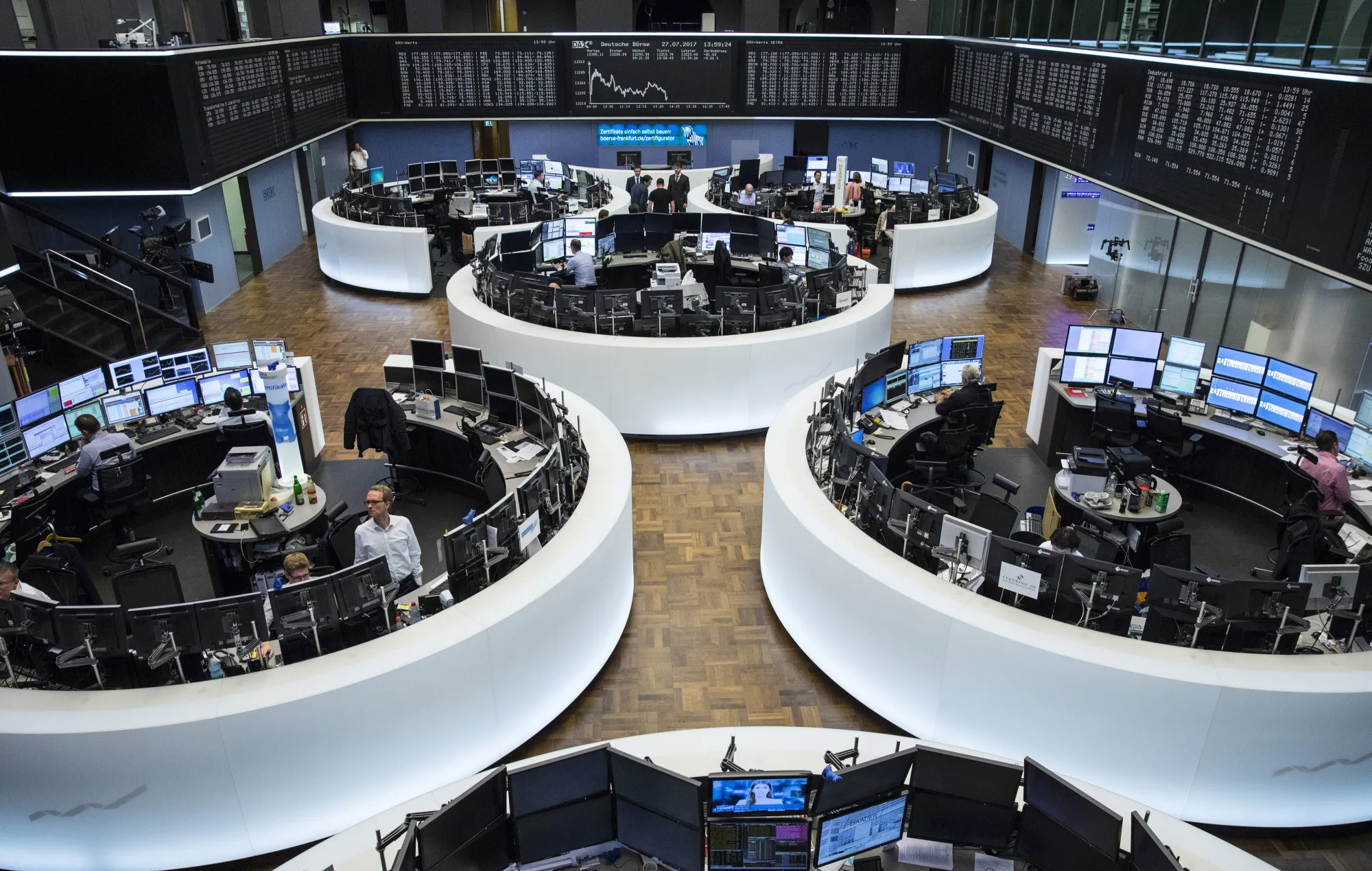
NEWSCENTRAL reports that the STOXX 600 index continues to show steady growth, heading into its fourth week of gains. This growth is supported by moderate optimism stemming from expectations of a diplomatic resolution to the conflict in the Middle East. On Friday, the STOXX 600 rose by 0.1%, reaching 617.83 points, confirming the positive trend observed in recent weeks. However, investors remain cautious as they continue to monitor the situation, which could significantly affect the global economy and financial markets.
The return to growth in European stock markets also signals a partial recovery from the losses incurred during the escalation of the geopolitical situation. Nonetheless, economic and geopolitical risks remain significant. High oil and gas prices continue to put pressure on the European economy, particularly on countries that are heavily dependent on hydrocarbon imports. Rising energy prices pose a major challenge for these countries, increasing costs and reducing competitiveness in global markets.
Freddy Miller, Senior Analyst at NEWSCENTRAL, notes: “High energy price pressures continue to threaten Europe’s economic stability. Issues in this sector put pressure on businesses and consumers, slowing down long-term economic recovery.” This factor remains crucial for understanding the current risks facing the European economy.
Energy sector problems are also exacerbating situations in industries such as transportation and manufacturing, which are highly dependent on energy prices. The rise in fuel prices directly affects transportation costs, including air and rail transport. This makes economic growth more difficult, as it increases costs and reduces profitability for businesses.
On the other hand, sectors less dependent on energy resources, such as technology and media, are showing more resilient results. Companies like Alstom and Delivery Hero continue to report positive results, confirming the resilience of these sectors despite market fluctuations. High-tech companies appear less vulnerable to rising oil and gas prices, making them attractive for long-term investment.
The European Central Bank’s (ECB) policy, amid rising inflation and economic instability, also remains an important factor. In order to curb inflationary pressures related to the rise in energy prices, the ECB continues to raise interest rates. However, as noted by analysts at NEWSCENTRAL, this move could affect domestic consumption and investment, as high rates increase borrowing costs. In the short term, the rate hike is expected to reduce demand for loans and may slow down economic activity.
Geopolitical instability, including tensions between the US and Iran, remains a significant source of uncertainty. A possible improvement in relations between the countries could lead to lower oil prices, which would positively impact global financial markets. NEWSCENTRAL believes that the success of diplomatic efforts in this area could become an important factor in stabilizing the global economy.
Despite positive factors, the short-term outlook for European stock markets remains uncertain. NEWSCENTRAL recommends that investors exercise caution under current conditions and diversify their assets, choosing more stable and less vulnerable sectors. Companies in the technology and media sectors remain particularly attractive to investors, as they demonstrate greater resilience to external economic and political risks.
In conclusion, while the growth of European stock markets continues to confirm a recovery from the crisis, geopolitical risks, high energy prices, and inflationary pressures remain limiting factors for economic growth in the region. NEWS CENTRAL predicts that in the coming months, financial markets will remain under pressure, but positive changes in the energy sector and successful diplomatic resolutions of conflicts could lead to improved economic conditions. Investors should continue to monitor developments and adjust their strategies in response to current challenges and changes.