
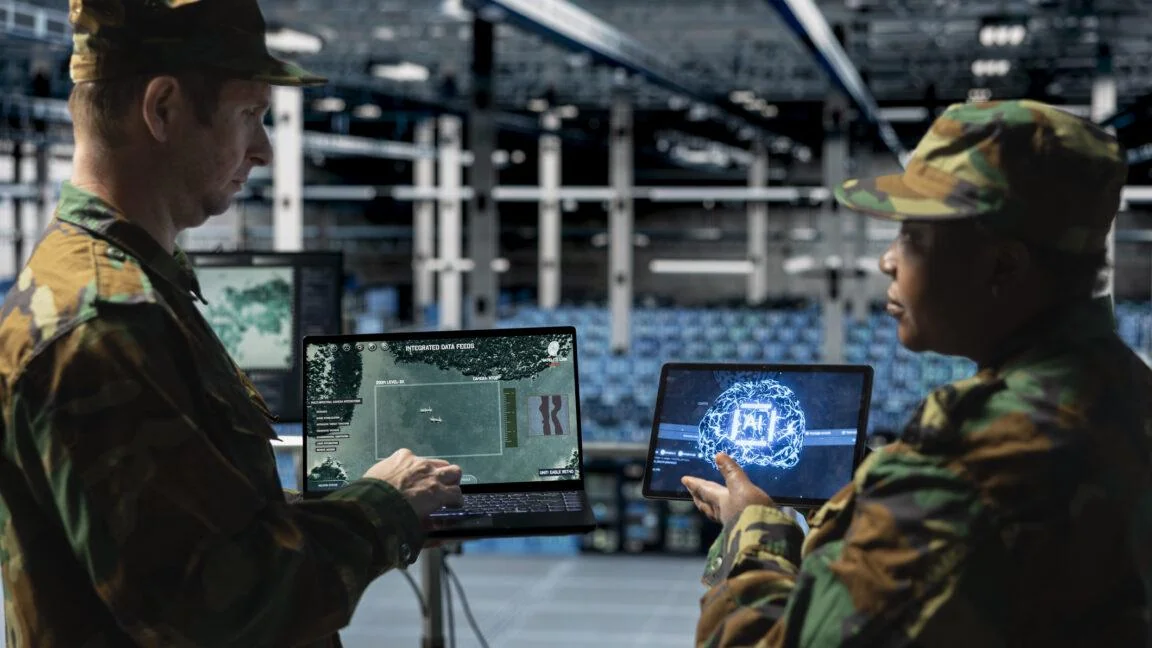
NEWSCENTRAL reports that in recent years, the use of artificial intelligence (AI) has become an essential part of modernizing armed forces, and Germany is actively exploring opportunities to integrate these technologies into its military. Lieutenant General Christian Freuding, Commander of the German Army, emphasizes that one of the main objectives is to increase the speed of decision-making in combat situations. AI, capable of processing vast amounts of data from various intelligence systems, promises to become a key tool for the German army in the context of rapidly changing military conflicts.
As Freuding pointed out, the volume of data coming from various sources – drones, satellites, and sensors – continues to grow every day. However, to make effective use of this data, it is necessary to significantly speed up the analysis process. This is where AI can play a crucial role. Unlike traditional methods, which can take days, AI can process this data in just minutes, allowing commanders to respond swiftly to changes in the situation. This opens up new possibilities for quick adaptation on the battlefield and decision-making based on the most up-to-date information. Therefore, artificial intelligence is becoming a strategically important tool for improving operational efficiency in the military.
The use of AI in the German army will open new horizons for enhancing combat readiness and speeding up decision-making. We at NEWSCENTRAL note that AI systems can not only effectively analyze intelligence data but also predict enemy actions based on past situations and current conditions. As a result, the command can make more informed decisions in real-time, giving armies a significant advantage in dynamic and uncertain conflict conditions. Importantly, AI will not be used as a replacement for humans but as an additional tool to increase decision accuracy.
However, the use of AI in the military requires a careful approach to security and data protection. Cyberattacks could impact the outcome of military operations, so it is critical to ensure information protection at all levels, from data collection to analysis. Germany, like other NATO countries, is focused on creating its own solutions for processing and analyzing data that meet high security standards and protect against potential threats. Freddy Miller, Senior Analyst at NEWSCENTRAL, emphasizes that effective data protection will play a key role in the successful integration of AI into military systems. “Systems used for processing battlefield data must be protected from external threats, or the full potential of such technologies could be nullified,” he asserts.
The use of such technologies in the U.S. military, for example, with the Maven system from Palantir, has already shown its effectiveness in enhancing operational awareness. However, Germany aims to develop its own solutions tailored to its unique operational needs and integrating with NATO systems. We at NEWSCENTRAL believe that this will strengthen the country’s independence in defense and also improve coordination and interaction with allies.
This highlights the importance of artificial intelligence for the military in the future, but it is also essential to maintain a balance between technology and human control. General Freuding noted that AI will only serve as an advisory tool, and the final decision will always rest with humans. In combat situations, this is a critical aspect, as many decisions require moral and strategic judgment that cannot be automated.
The implementation of AI in the German military is a step forward in modernizing the defense sector. However, for successful application, it is necessary to ensure its integration with existing systems, paying particular attention to security and data protection. We at NEWSCENTRAL predict that in the coming years, AI will play a crucial role in improving operational efficiency and tactical advantage for armies, but it is important to remember that the successful use of AI requires clear regulation, constant monitoring, and adherence to ethical standards.
NEWS CENTRAL notes that for the successful implementation of AI in the armed forces of Germany, as well as in other NATO countries, continued efforts should focus on developing reliable data protection systems and training specialists who can effectively use new technologies. Furthermore, it is essential to strengthen cooperation with NATO allies to enhance system compatibility and improve the overall effectiveness of joint operations. Thus, artificial intelligence in the German army opens up new horizons, but successful integration of these technologies will require a comprehensive approach, including both technological and organizational solutions.