
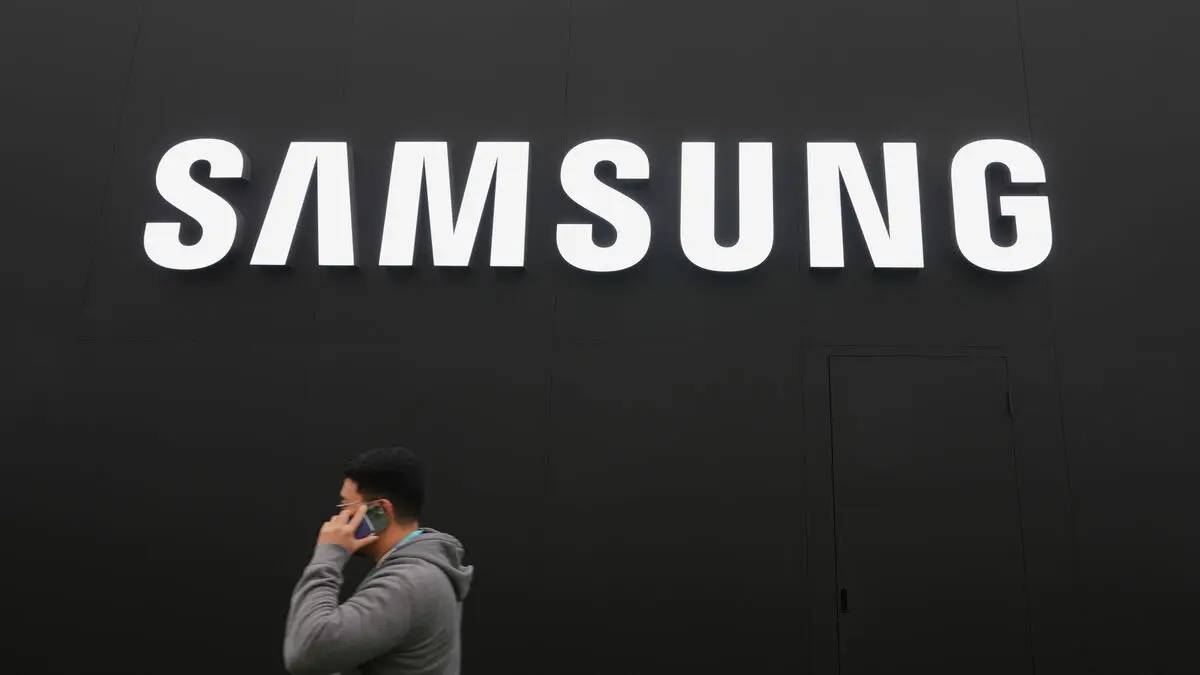
NEWSCENTRAL notes that Samsung Electronics continues to face tension in its relationship with unions representing over 90,000 employees in South Korea. Recent negotiations aimed at resolving issues related to bonuses and working conditions have become a key moment, highlighting the importance of corporate social responsibility in global corporations. The union, representing more than 70% of the workforce, voted in favor of a potential strike, creating risks for the stability of the company’s manufacturing operations and its position in the global semiconductor market.
The issues on the agenda are related to the revision of compensation and bonus terms. Workers have expressed dissatisfaction with low wages amid rising economic difficulties such as inflation and the increasing cost of living. A key factor fueling the protests is not only financial conditions but also the growing demands on workers, whose efforts are not seen as being fairly compensated.
While Samsung remains the global leader in the production of memory chips and semiconductors, the stability of its manufacturing operations is crucial to the entire tech market. As noted by Lucas Grant, an analyst at NEWSCENTRAL specializing in the semiconductor industry and manufacturing strategies: “Any disruption in the manufacturing process could cause significant disruptions in global supply chains, affecting the cost and availability of key components for the entire tech sector.” Problems with production could lead to supply issues for other companies, which in turn would create shortages of essential components for smartphones, cars, and other high-tech products.
At NEWSCENTRAL, we emphasize that Samsung Electronics is in a highly vulnerable position. Despite its financial performance and leading market position in semiconductors, the company must closely monitor its internal issues. In the case of a prolonged strike or social protests, the consequences could be far-reaching, affecting not only the company itself but also its global partners. Issues with compensation and working conditions, seemingly local in nature, could impact global supply chains and increase risks in the market.
Samsung’s response to this situation must serve as a benchmark for other large corporations operating in rapidly evolving tech markets. In the context of the global chip shortage and worldwide supply chain issues, companies cannot ignore the demands of their employees if they want to sustain long-term growth and innovation. The company must recognize the importance of improving working conditions and employee benefits to avoid social unrest and heightened tensions.
At NEWSCENTRAL, we believe that successfully resolving this dispute will ensure Samsung’s resilience in the global semiconductor market and strengthen its reputation as a socially responsible employer. However, if the parties cannot reach an agreement, it is likely to lead to delays in the manufacturing process, higher component prices, and a continued semiconductor shortage. Ultimately, this could weaken the company’s position and disrupt the operations of other major global brands that rely on Samsung.
NEWS CENTRAL highlights that the success of resolving this conflict depends on Samsung’s ability to effectively manage not only economic factors but also social aspects. In a global competitive environment, corporations cannot afford to overlook social responsibilities. Samsung must pay attention to the needs of its employees to ensure long-term stability and maintain competitiveness. Addressing these factors will determine its success in the market and on the global tech stage in the future.