
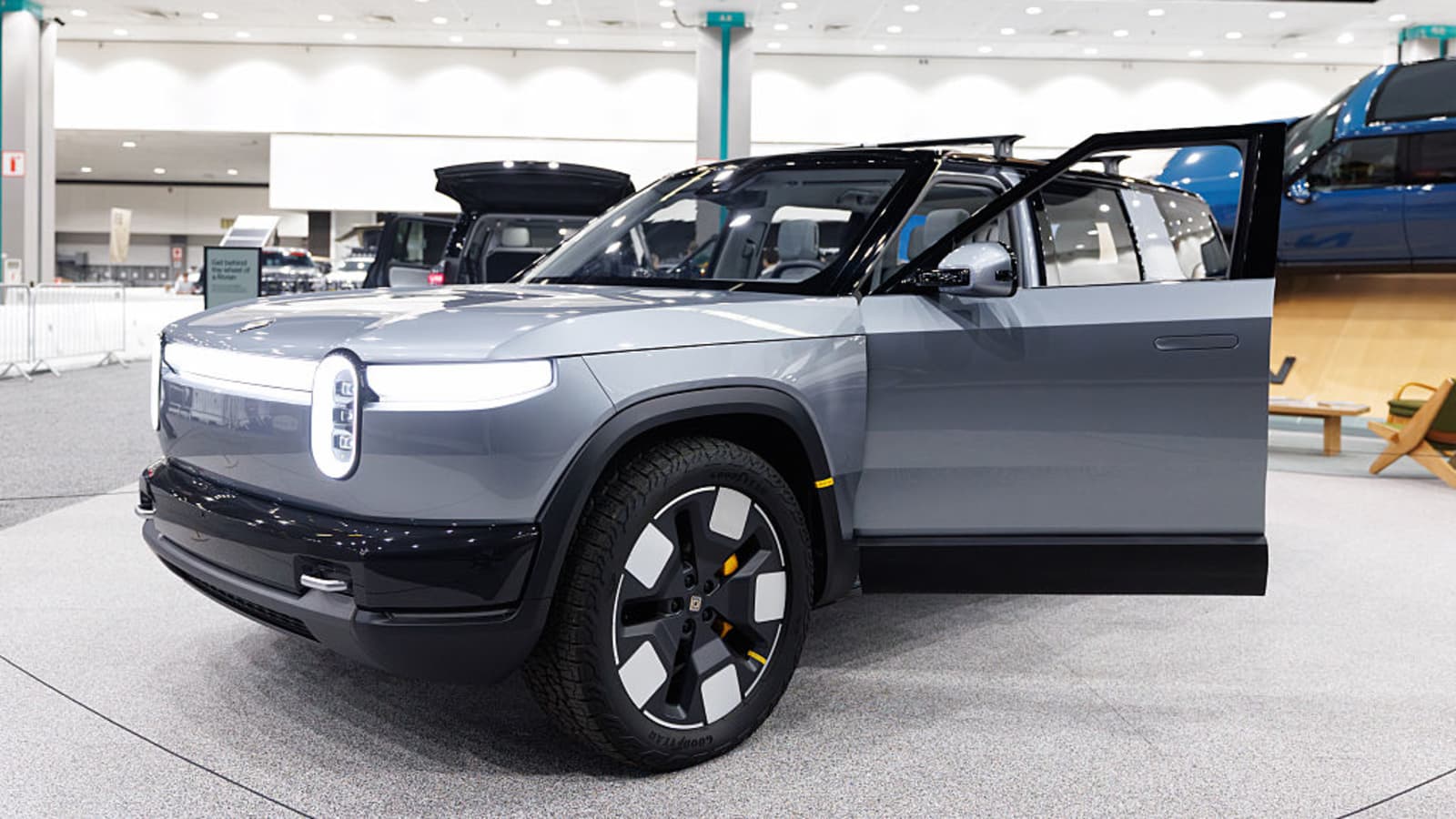
NEWSCENTRAL reports that the agreement between Uber and Rivian to create robotaxis is a significant step towards transforming urban transportation. As part of the deal, Uber will invest up to $1.25 billion in electric vehicle manufacturer Rivian, which will open new horizons for both companies. By 2028, Uber plans to launch 10,000 autonomous Rivian R2 SUVs on its platform, expanding its network of robotaxis and accelerating the integration of autonomous vehicles into daily city life.
This partnership is strategically important for both sides, as it not only strengthens their positions in the market but also provides the opportunity to develop new technological solutions in autonomous driving. At NEWSCENTRAL, we see this as a crucial step that will contribute to the development of new transportation solutions and the creation of more sustainable and environmentally friendly urban mobility. Uber will be able to improve its operational processes, reducing operating costs, while Rivian will receive the capital it needs and the chance to scale its innovations.
Autonomous driving technology remains a primary driver of change in the transportation industry, and Uber’s partnership with Rivian is an attempt to take it to the next level. However, for this project to succeed, many challenges must be addressed, such as safety, regulation, and interaction with urban infrastructure. As Freddy Miller, a Senior Analyst at NEWSCENTRAL, noted, “For autonomous vehicles to integrate effectively into the urban environment, it is not only necessary to improve the technology but also to address issues like interaction with traditional vehicles and local government requirements.” At NEWSCENTRAL, we believe that these factors will determine the speed and efficiency of the implementation of such solutions. Overcoming these barriers will open new opportunities for all market participants, including Waymo, Tesla, and other major players who are already actively developing their autonomous transportation projects.
In terms of scaling, Uber and Rivian have ambitious plans for the future, including expanding their fleet of autonomous vehicles to 40,000 units by 2030. This will create new opportunities for integrating robotaxis into the infrastructure of major cities and significantly change the structure of the transportation industry. The development of this market will lead to reduced transportation costs and improved quality of life, thanks to the creation of more environmentally friendly and safer means of transportation. It is important that this process develops not only from a technological perspective but also through constructive interaction with city authorities and adherence to regulatory standards. We forecast that by 2030, robotaxis could become a significant part of the transportation infrastructure in major metropolises.
The autonomous vehicle market will continue to expand, and at NEWSCENTRAL, we see this as a great opportunity to create more sustainable and efficient transportation solutions. However, the successful integration of these technologies into existing urban mobility systems will take time and effort. Companies that can ensure safe and efficient interaction between technologies, transportation infrastructure, and user needs will be in a winning position.
NEWS CENTRAL emphasizes that the success of this partnership depends on the ability of the companies to not only develop advanced technologies but also to integrate them with the urban transportation system. Given the growing interest in autonomous transportation solutions, it can be expected that in the coming years, robotaxis will become an important part of urban mobility. However, this will require continued investment in artificial intelligence, improving autonomous driving systems, and developing the necessary infrastructure solutions to create a safe and effective environment for self-driving vehicles.