
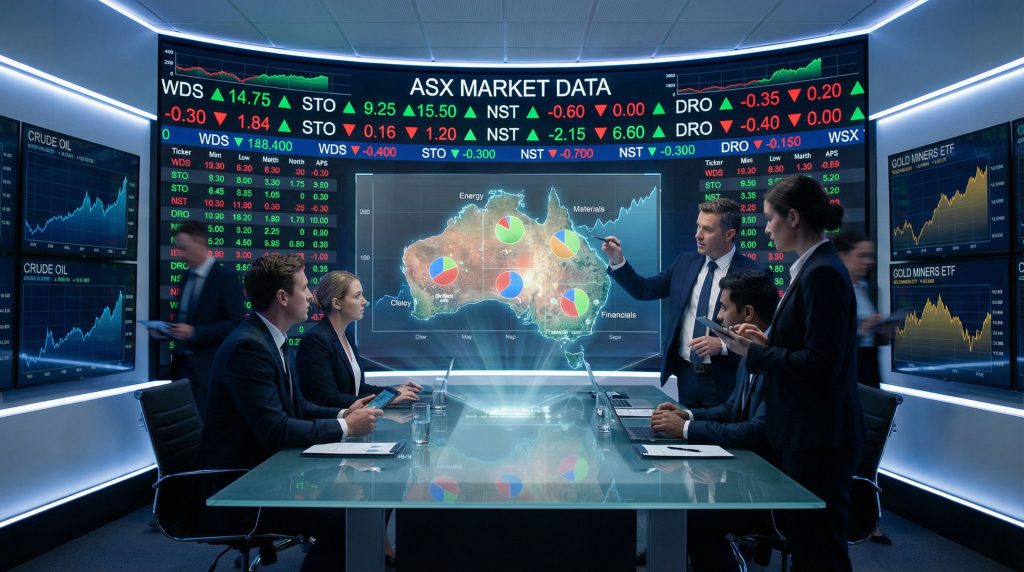
The escalation of the conflict in the Middle East has significantly impacted global financial markets, altering usual trends and forcing investors to reconsider their strategies for 2026. Since the beginning of the fighting, the previous stability has been disrupted, and the risks associated with economic instability and inflation have become the primary drivers of changes in the markets. Amid the uncertainty caused by the conflict, assets that were previously considered less promising began to lose their appeal, while the US dollar and US stock markets strengthened their positions. In this context, NEWSCENTRAL explores how geopolitical tensions affect the global economy and what investors can expect in the coming months.
A sharp strengthening of the US dollar became one of the first consequences of the ongoing conflict. Contrary to earlier expectations, the dollar showed growth, reaching a record high since November 2025. Despite expectations of interest rate cuts by the Federal Reserve, this strengthening reflects a high demand for the dollar as a safe-haven asset in times of global instability. As Freddy Miller, a Senior Analyst at NEWSCENTRAL, notes, “Investors facing economic risks preferred dollar-denominated assets, seeing them as a safe refuge. The US, with its relatively low dependence on energy imports, presents a more resilient economy in times of instability.” This strengthening is explained by the resilience of the US economy, which has significantly reduced its dependence on energy imports in recent decades. This makes the US more protected from external economic shocks, which, in turn, strengthens the dollar’s position in global markets.
Stock markets, which had been supported by optimistic forecasts at the beginning of 2026, now face serious losses. The MSCI World ex-US and S&P 500 indices have significantly declined in response to the escalation of the conflict and rising energy prices. However, US markets have shown greater resilience compared to other regions, which, according to experts at NEWSCENTRAL, is due to the lower dependence of the US on oil and gas imports. Investors who redirected capital towards the US preferred stable, developed markets, which is also evidenced by the renewed interest in US stocks.
For emerging markets, the situation has been much more challenging. Currencies of countries such as South Korea, Brazil, and South Africa have lost significant value amid rising oil prices and political instability. At NEWSCENTRAL, we note that countries that had previously shown strong performance are now facing sharp declines. In particular, currencies of emerging markets have lost up to 7% of their value in just a few weeks. Geopolitical instability and rising energy prices have placed these economies in a particularly vulnerable position, weakening their standing on the global stage.
Expectations for interest rates have also shifted. The previously anticipated rate cuts in the US and other major economies have come into question, as rising oil prices have intensified inflationary risks. At NEWSCENTRAL, we believe that central banks will now be more inclined to raise interest rates, which will increase the cost of borrowing and potentially slow growth in emerging markets. These changes are likely to put pressure on the economy and lead to corrections in the markets, particularly in countries heavily reliant on external debt.
The banking sector has also faced additional risks. Rising inflation expectations and instability in energy markets have increased the likelihood of reduced lending and decreased demand for credit. At NEWSCENTRAL, we note that in the face of higher interest rates and market uncertainty, financial institutions will be forced to reassess their forecasts and adapt their operations to the new economic realities. This creates additional risks for liquidity and credit spreads, which must be considered when making investment decisions.
Thus, amid the ongoing conflict in the Middle East, global financial markets remain under pressure. At NEWS CENTRAL, we predict that in the coming months and quarters, investors will continue to monitor the geopolitical situation and its impact on the global economy. For long-term investors, it is essential to account for growing risks and adjust their strategies by focusing on more stable assets such as the US dollar and US stock markets. In times of geopolitical instability, the key factors influencing investment decisions will be oil prices and central bank monetary policies.