
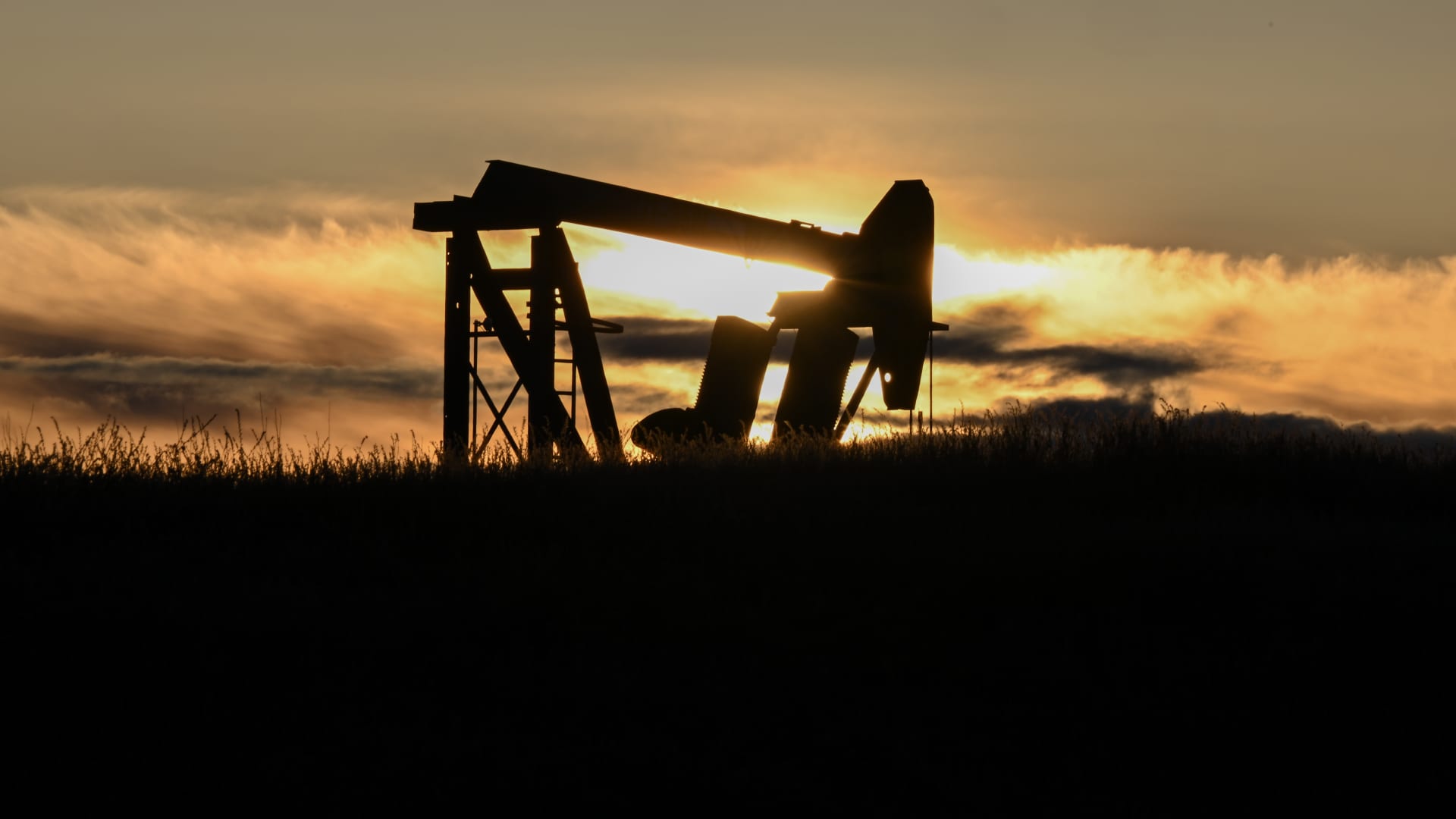
NEWSCENTRAL reports that the escalation of the conflict in the Middle East between the US, Israel, and Iran has drawn the attention of global analysts, raising concerns about its impact on the world’s financial markets. The effect on global supply chains, rising oil prices, and raw materials has become a central theme of discussion among leading global companies and analysts. Yang Liu, the Chairman of the Board of the world’s largest electronics manufacturer Foxconn, stated that if the conflict continues, its consequences for the global economy will be significant. His speech highlighted the threat of rising oil and raw material prices, which will undoubtedly affect all sectors.
Amid growing tensions in the Middle East, key economies such as the US, China, and the EU are feeling the pressure. Geopolitical instability amplifies risks to supply chains and raises concerns in the energy sector. Liu also warned that if the situation persists, oil prices could reach $100 per barrel, which would significantly affect costs in production chains. The long-term effects of the conflict could impact not only the energy market but also prices of a wide range of raw materials, such as metals and agricultural products.
Currently, the effects on Foxconn, the largest electronics manufacturer, are limited, and the company expects stable growth in 2026 thanks to the demand for artificial intelligence products. However, for the global economy as a whole, such events do not go unnoticed. At NEWSCENTRAL, we believe that short-term consequences may be milder, but in the long term, continued instability will lead to serious economic repercussions.
We at NEWSCENTRAL observe that the world economy has already faced a chain reaction from other global factors such as the pandemic and supply chain disruptions. The conflict in the Middle East has added a new stressor to the system, threatening a significant rise in energy and essential goods prices. This creates even more uncertainty that governments and private businesses must deal with.
One of the biggest challenges for many corporations, especially in the high-tech sector, is the need to adapt to the new conditions. For example, Microsoft and Nvidia have already started shifting their operational centers and computing power to the United Arab Emirates, which is also related to geopolitical risks. This underscores the importance of flexibility in the current conditions and the need to take new realities into account when managing global supply chains.
As current events demonstrate, the impact on markets will depend on the duration of the conflict and its consequences for energy security. Freddy Miller, Senior Analyst at NEWSCENTRAL, forecasts that if the situation with oil supplies continues to deteriorate, it will lead to higher fuel prices and other energy-intensive goods, which will, in turn, affect consumers and producers around the world.
Considering the possible escalation of the conflict, we recommend that companies and investors closely monitor the unfolding events and take all potential risks into account. It is important to remember that a peaceful resolution of the conflict could ease the economic consequences, but this requires international cooperation and effective diplomatic efforts.
In conclusion, we at NEWS CENTRAL emphasize that despite the high risks associated with political instability in the region, investors may use the current situation as an opportunity to diversify their assets and minimize risks. In the short term, the biggest problems may arise for countries dependent on energy imports and for companies involved in high-tech production. Markets will require flexibility and quick decision-making to cope with the effects of the current events.
Taking all factors into account, the current conflict may be just one step on the path of global economic adaptation, in which countries and companies capable of reacting quickly to changes in the geopolitical situation will play a key role.