
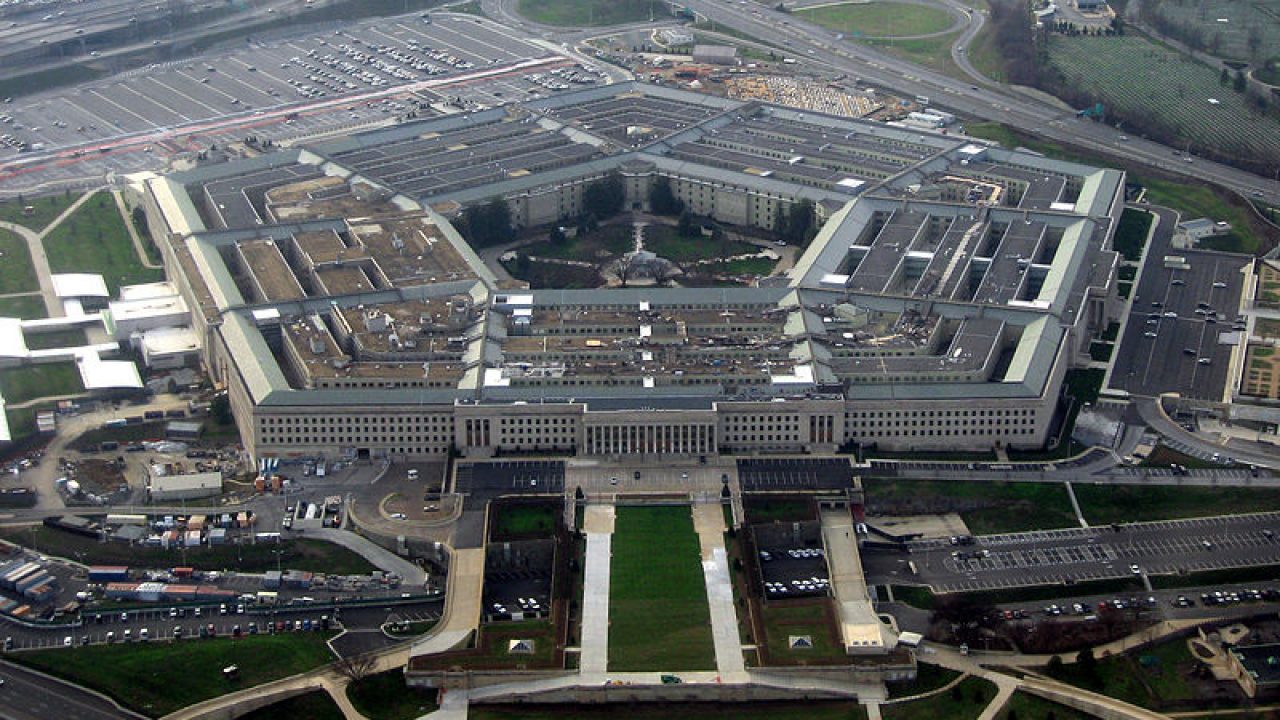
NEWSCENTRAL notes that the agreement between OpenAI and the U.S. Department of Defense, announced on March 2, 2026, marks a significant step in the development of artificial intelligence (AI) in the military sector. OpenAI’s CEO, Sam Altman, stated that the company will provide its solutions for use in classified military systems while adhering to strict limitations. Key conditions include a ban on using AI for mass surveillance of U.S. citizens and a commitment to ensuring human accountability for the use of autonomous weapons. The deal with the Pentagon was concluded on the same day that the Trump administration decided to ban products from the company Anthropic for federal agencies.
At NEWSCENTRAL, we believe that this deal represents an important step toward establishing a new type of relationship between technology companies and government agencies. Given the rapid integration of AI into defense technologies, it is crucial for companies to operate within clear and safe norms. The agreement with OpenAI underscores the company’s ability to set strict limitations, opening new opportunities for the safe use of AI in critical areas.
The agreement with the Pentagon requires OpenAI to develop additional technical mechanisms to monitor AI operations and prevent potential threats. This highlights the need for accountability not only for the technologies themselves but also for their use in real combat scenarios. Unlike Anthropic, which faced a ban on collaborating with the Pentagon, OpenAI managed to negotiate and reach a compromise, demonstrating the company’s maturity in adhering to regulatory standards.
At NEWSCENTRAL, we see this as a positive trend for the entire industry. Today, AI companies must be ready to adapt their products to high safety standards. It is essential that these companies not only develop technologies but also take measures to minimize risks that may arise during their use. As such, OpenAI’s approach could serve as a model for other companies in the AI field.
Freddy Miller, Senior Analyst at NEWSCENTRAL, states: “This agreement is an example of how technology companies can and should work with government bodies while creating safeguards and adhering to high security standards. This approach not only minimizes risks but also strengthens trust in the future of such technologies.”
Given the global risks associated with the introduction of AI in defense technologies, international standards also need to be developed. We predict that in the coming years, the use of AI in the military sector will grow, and governments will need to establish unified regulations for this area. These standards should ensure safety and protect civil rights while minimizing risks related to autonomous systems and mass surveillance.
OpenAI, for its part, is already demonstrating how to approach the integration of AI into sensitive areas like defense. It is crucial that this process is supported by clear interaction between the private and public sectors, ensuring more effective control over the development and application of such technologies.
The use of AI in defense requires not only innovative solutions but also the adoption of ethical standards that will guarantee safety and prevent abuses. At NEWSCENTRAL, we predict that in the future, international regulation of AI technologies will become a vital part of global politics. It is essential to develop transparent and fair control mechanisms that help avoid threats and ensure the safe use of AI.
Thus, the agreement between OpenAI and the Pentagon, with all its stipulated conditions, represents an important step in creating safe and ethical AI technologies. This move highlights the necessity for strict control and transparency when using AI in military and other high-risk areas. At NEWS CENTRAL, we predict that similar partnerships will become the norm in the future and could serve as the foundation for developing international standards for the use of AI in defense and security.