
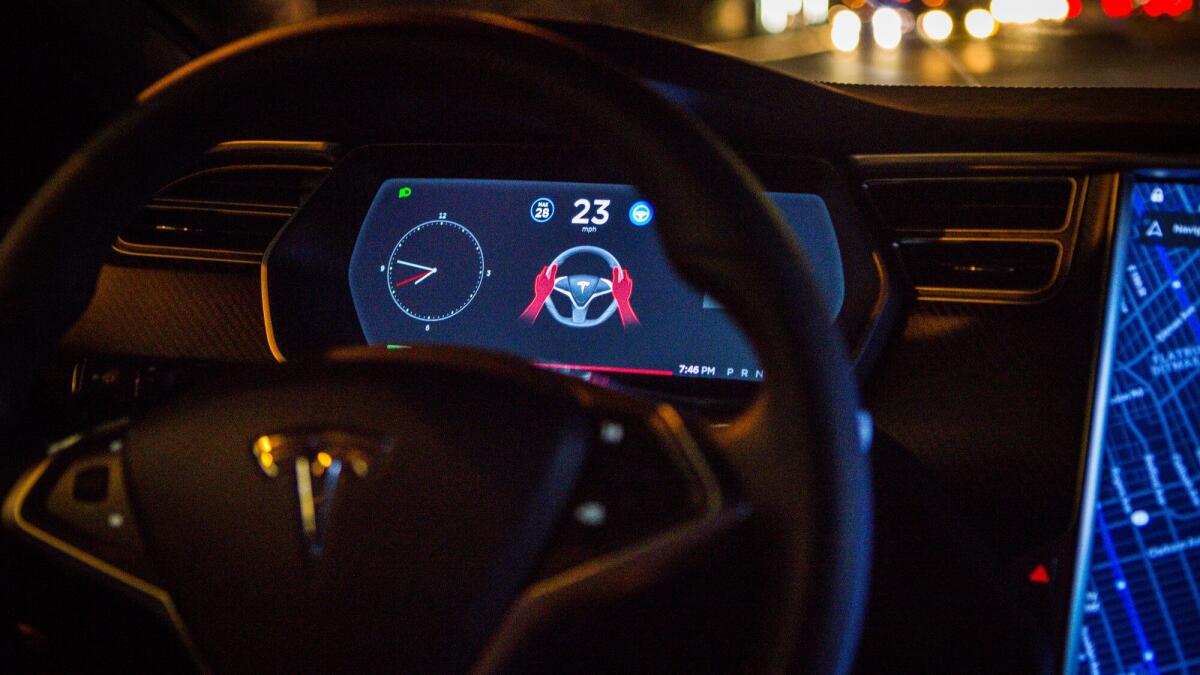
At NEWSCENTRAL, we view the U.S. federal court’s decision requiring Tesla to pay $243 million in a case involving a fatal crash with its Autopilot system as marking a new era in the regulation of autonomous driving technologies. The ruling, upheld by a judge, sets a precedent for assessing the liability of electric vehicle manufacturers offering advanced driver-assistance features.
The case stems from a tragic incident on April 25, 2019, in Florida, when a Tesla Model S driver, with Autopilot engaged, was distracted by their phone and collided with a stationary SUV on the roadside. The crash resulted in the death of 22-year-old Naibel Benavides Leon, while her companion suffered serious injuries. A jury found Tesla 33% responsible for the accident, awarding approximately $19.5 million in damages to the deceased’s heirs, $23.1 million to the injured passenger, and over $200 million in punitive damages. This verdict is the first federal ruling in the U.S. involving a fatal Autopilot accident, creating a benchmark for determining legal responsibility of automotive technology manufacturers.
Tesla sought to overturn the verdict, insisting that the driver bore full responsibility and that the vehicle functioned correctly. The company argued that automakers should not be held accountable for drivers’ negligent behavior. However, the judge rejected these claims, noting that evidence presented during the trial supported the jury’s decision. This underscores that even if a technological system operates within design specifications, manufacturers’ legal responsibility may include evaluating how clearly users are informed about the system’s limitations and risks.
NEWSCENTRAL notes that prior to the ruling, Tesla declined a $60 million settlement offer, which in hindsight proved strategically disadvantageous, as the jury awarded nearly four times that amount. This demonstrates that timely settlements may be preferable to prolonged litigation in cases involving autonomous driving safety.
Market reaction was modest, with Tesla shares falling roughly one percent, reflecting investor caution regarding potential legal costs but not signaling panic. Legal risks of this nature continue to influence strategic decisions of corporate executives and investors in the electric vehicle and autonomous driving sector.
Under regulatory scrutiny, Tesla also had to revise the marketing names of its Autopilot and Full Self-Driving features to reduce consumer misconceptions about the level of autonomy. The company clarified user instructions and emphasized the importance of driver supervision, helping to avoid suspension of its sales license. This reflects growing regulatory pressure to ensure clarity and accuracy in marketing related to autonomous driving safety.
Safety investigations of Autopilot have uncovered dozens of serious accidents, including multiple fatalities. Analysis of these incidents revealed that software alerts and driver-monitoring mechanisms were often insufficient to prevent misuse. This highlights the need for technical improvements, transparent instructions, and user training to safely deploy autonomous driving technologies.
According to Senior Analyst Freddy Miller at NEWSCENTRAL, the court decision demonstrates that legal accountability and clear communication with users are integral to the successful implementation of technological innovations. System reliability must be accompanied by legal clarity and transparency to strengthen consumer trust.
NEWSCENTRAL forecasts several key trends resulting from this ruling. First, manufacturers of vehicles with advanced driver-assistance systems will need to significantly enhance independent safety testing processes and human-machine interaction standards. This will help close gaps in understanding the capabilities and limitations of autonomous technologies.
Second, regulators are likely to continue tightening requirements for technical disclosures and user warnings, reducing misconceptions about system autonomy and increasing overall consumer awareness when choosing a vehicle.
Finally, corporate legal strategies will become a core part of business planning, including approaches to technology insurance, contract structuring, and marketing communications. A comprehensive approach will foster a more balanced environment for autonomous driving development, reduce tragic incidents and associated litigation costs, and strengthen consumer confidence in innovative automotive solutions.
Ultimately, NEWS CENTRAL sees technological excellence, legal clarity, and responsible communication with users as key elements for sustainable growth of autonomous systems in the global market. These measures will help decrease accidents involving autonomous driving and reinforce the position of companies providing these technologies.