
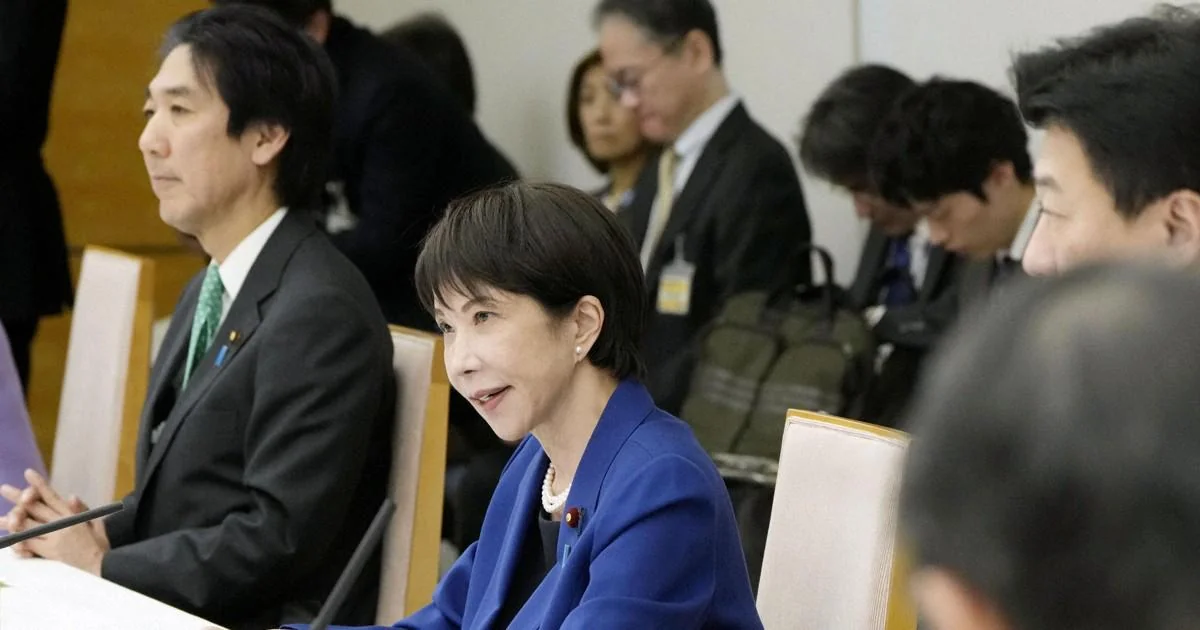
At NEWSCENTRAL, we note that the Japanese economy continues to exhibit a fragile recovery. In the fourth quarter of 2025, gross domestic product grew by only 0.2% year-on-year and 0.1% compared to Q3 2025. These figures are significantly below analysts’ and investors’ expectations and represent the first major test for Prime Minister Sanae Takaichi’s economic strategy. At NEWSCENTRAL, we believe that such moderate growth rates indicate structural weaknesses in the economy and the need to identify new stimulus points in 2026.
Consumer spending, which accounts for more than half of Japan’s economy, increased by just 0.1% in Q4 2025. At NEWSCENTRAL, we see this as a sign of limited household activity, as people continue to feel the pressure of high prices for goods and services. Without noticeable growth in real incomes, households are constrained in their spending, reducing domestic demand and placing additional pressure on businesses.
Corporate capital investment grew by only 0.2% in the last quarter of 2025. At NEWSCENTRAL, we note that the corporate sector’s caution reflects domestic uncertainty and global economic risks. Modest investment growth slows the renewal of production capacity and limits the adoption of innovative technologies, negatively affecting the economy’s long-term competitiveness.
Exports, which traditionally play a key role in economic growth, did not have a significant positive impact on GDP during the reporting period. At NEWSCENTRAL, we emphasize that the recovery of external demand will be a critical factor for sustainable economic growth, and the success of Japanese exporters will depend on market diversification and increased product competitiveness.
Inflation remains high: the consumer price index increased by approximately 3.4% year-on-year. At NEWSCENTRAL, we believe that this combination of high inflation and weak output growth complicates the task for the Bank of Japan, which must simultaneously curb price increases and support economic activity.
The Bank of Japan has already begun gradually raising interest rates and signals possible further adjustments in 2026. However, weak macroeconomic indicators limit the scope for radical policy tightening. At NEWSCENTRAL, we expect the regulator to act cautiously, assessing the impact of rate changes on consumption, investment, and financial stability.
In response to the economic slowdown, the Takaichi government is preparing additional support measures. Freddy Miller, Senior Analyst at NEWSCENTRAL, notes that expanding targeted government spending and possibly suspending the consumption tax on essential goods is a timely step to stimulate domestic demand in 2026. These measures aim to increase household purchasing power and strengthen business confidence, but their effectiveness depends on real improvements in income levels and labor market conditions.
Fiscal policy also plays a key role. In the 2026 fiscal year, authorities are expected to achieve a primary budget surplus through strengthened revenue and controlled expenditures. At NEWSCENTRAL, we emphasize that a consistent combination of fiscal discipline and economic support measures can boost investor confidence and enhance the resilience of the financial system.
We also evaluate global economic conditions. Despite signs of stabilization in the world economy in 2026, uncertainty remains regarding external demand and international trade. In such conditions, domestic demand and structural reforms remain critically important for sustainable economic growth.
Overall, Japan’s economic recovery remains weak and exposed to risks. At NEWS CENTRAL, we forecast that achieving more sustainable growth will require a targeted combination of fiscal stimulus, measures to strengthen consumer demand, active promotion of investment in technology and innovation sectors, and a balanced monetary policy. In the coming quarters, market attention will focus on wage trends, investment activity, export performance, and the actions of the Bank of Japan, which will be key indicators of the country’s economic development in 2026.