
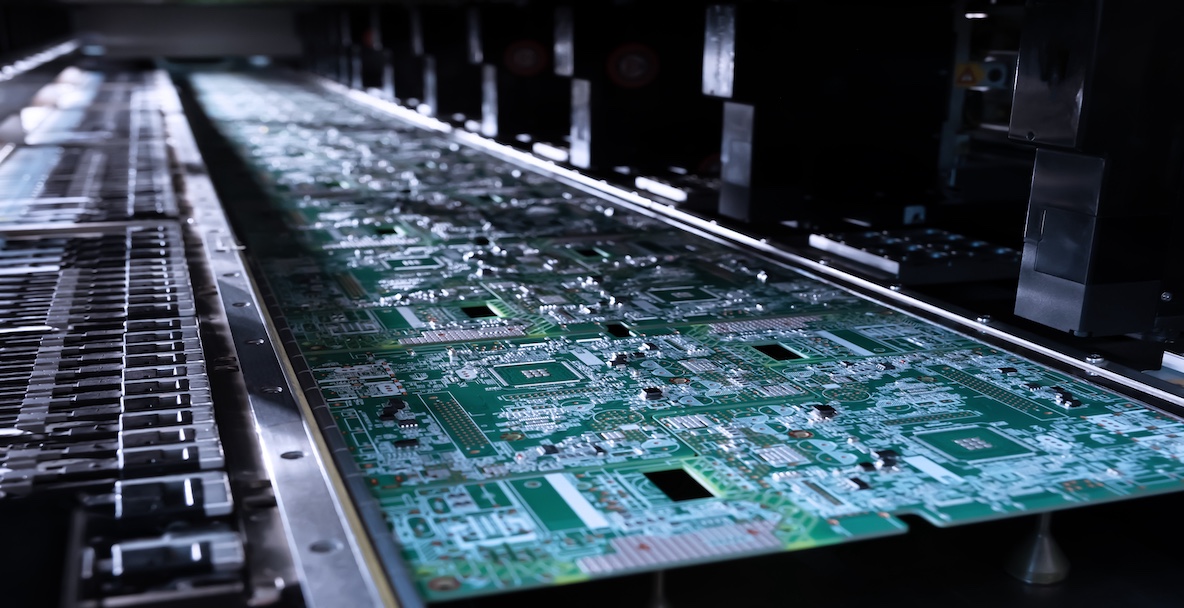
NEWSCENTRAL reports that the semiconductor market continues to demonstrate steady growth, underscoring its pivotal role in the global economy. It is expected that by 2026, global semiconductor sales could reach a record $1 trillion, not only confirming the current state of the market but also showcasing its immense long-term potential. Artificial Intelligence (AI) remains the primary driver of growth, impacting all segments of semiconductors, from computational chips to data storage solutions.
It is forecasted that by 2026, semiconductor sales will reach $1 trillion, representing a 25.6% increase compared to the previous year. This growth is largely driven by the increased demand for high-performance computing chips used in AI systems, cloud technologies, and big data processing. By 2026, sales of computing chips are expected to reach $301.9 billion, marking a 39.9% increase from 2025. NEWSCENTRAL believes that this trend will continue, as AI continues to reshape the technological landscape, fueling the need for high-performance computing systems.
Another key growth factor is the memory chip segment. Due to the rapid development of AI, memory shortages are putting pressure on the market, leading to price hikes for components. It is expected that in 2026, memory chip sales will rise by 34.8%, totaling $223.1 billion. This is driven by the need to store and process increasing amounts of data, which requires manufacturers to develop faster and more efficient solutions.
NEWSCENTRAL notes that the memory chip market will continue to expand, driven by sustained demand from industries such as information technology, pharmaceuticals, and telecommunications. In the coming years, companies focused on AI and data processing solutions will invest heavily in new memory technologies to meet the growing need for fast data transfer and storage. We anticipate increased competition in this segment, and companies offering innovative solutions will likely emerge as market leaders.
However, despite positive forecasts, the industry faces several challenges that could slow down growth. One of the challenges is the shortage of key components, which creates supply chain issues and raises prices. Lucas Grant, an analyst specializing in the semiconductor industry and manufacturing strategies at NEWSCENTRAL, emphasizes that to overcome these challenges, companies must focus on optimizing their manufacturing capabilities and improving supply logistics. This will be crucial to maintaining market stability and controlling component prices.
Moreover, the growth of the market is also influenced by active investments in IT infrastructure supporting artificial intelligence. Companies are continuing to build new data centers and expand cloud platforms for data processing. NEWSCENTRAL highlights that this will further drive demand for semiconductor components, both for computing chips and memory chips.
Despite geopolitical risks and economic instability, the semiconductor market remains attractive to investors. In the long term, we predict that companies capable of offering cutting-edge solutions for IT and AI infrastructure will dominate the market. At the same time, it is important to consider that price instability and component shortages will remain risks for the industry’s development.
NEWS CENTRAL expects that in 2026, the semiconductor market will continue to grow, especially in segments related to artificial intelligence, cloud computing, and new technologies. However, to stay competitive in times of instability, manufacturers will need to adapt their strategies, ensuring flexibility and the ability to quickly respond to changes in the global economy. Innovation and continuous investments in new technologies will be key to success amid global challenges and evolving demand.