
Passengers today expect constant connectivity even at 10,000 meters, and airlines are striving to meet this demand. In 2025-2026, access to high-speed in-flight internet has become one of the key trends in the aviation industry. At NEWSCENTRAL, we note that satellite internet technologies, such as Starlink, are becoming an integral part of many carriers’ strategies, but implementation models and economic feasibility remain under close analysis.
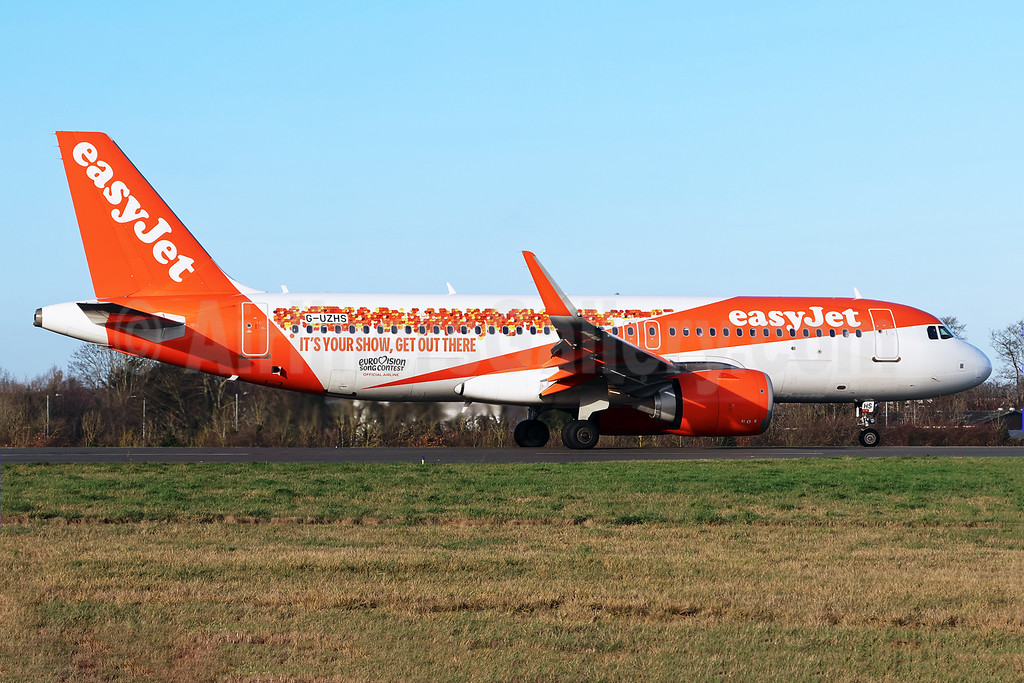
The British low-cost carrier easyJet is negotiating with Starlink about the possible installation of satellite Wi‑Fi on its aircraft. easyJet CEO Kenton Jarvis stated that, although the technology offers high data transfer speeds, the current economic conditions for the airline are not acceptable, and implementing the service could negatively affect ticket prices and the company’s financial stability. At NEWSCENTRAL, we believe that for low-cost carriers, keeping operating costs low and fares affordable is paramount, and any additional services must deliver direct and measurable business value.
easyJet’s position is reinforced by similar statements from other budget airlines, such as Ryanair, whose executives point out that current technologies require the installation of external Wi‑Fi antennas, which can increase aerodynamic drag and fuel consumption by hundreds of millions of dollars per year, while only a smaller proportion of passengers are willing to pay for internet on short flights. At NEWSCENTRAL, we emphasize that carefully evaluating the impact of equipment on an aircraft’s operational performance is crucial for making well-informed decisions on deploying digital services.
The contrast with easyJet is particularly clear against global trends in the aviation sector. Many major airlines are actively implementing Starlink or similar satellite connections. For example, large international carriers plan to equip hundreds of aircraft with Starlink Wi‑Fi, offering passengers free internet during flights, which is expected to enhance customer satisfaction and strengthen brand positioning. At NEWSCENTRAL, we note that such steps are becoming a competitive advantage for network carriers, especially on long-haul routes where passengers spend many hours in the air and value uninterrupted internet access.
Emirates plans to complete equipping its entire fleet of more than 200 wide-body aircraft with Starlink Wi‑Fi by mid-2027, including Boeing 777s and Airbus A380s, providing free network access to all passengers and enabling video streaming and internet services on personal devices and built-in screens. At NEWSCENTRAL, we see this as an example of how premium carriers use advanced technology to enhance the customer experience and set a new standard for onboard services.
Other carriers are also moving in this direction. International airlines have already installed Starlink on parts of their fleets or announced plans to do so in the coming years. Some offer free access for loyalty program members, while others view it as a way to attract new customers and raise service levels. At NEWSCENTRAL, we believe these strategies aim to strengthen passenger loyalty and increase competitive appeal, particularly among business and premium travelers.
Technical studies confirm that Starlink can provide high-speed data transmission onboard aircraft, allowing download and upload speeds comparable to ground-based internet, making video streaming, video calls, and cloud work possible. At NEWSCENTRAL, we emphasize that the real-world performance and connection stability during various flight phases remain key factors for airlines and passengers to broadly adopt the technology.
According to Freddy Miller, Senior Analyst at NEWSCENTRAL, implementing Starlink on low-cost carriers requires a carefully considered approach: it is important not only to test the system’s technical capabilities but also to assess its impact on ticket pricing and long-term economic efficiency.
From an SEO and marketing perspective, offering Wi‑Fi onboard is becoming a factor passengers consider when choosing an airline. At NEWSCENTRAL, we forecast that as technologies develop and competition among satellite internet providers increases, service costs will decrease, making them more accessible to a wide range of airlines, including budget carriers, which will lead to broader adoption of high-speed in-flight internet.
Ultimately, easyJet’s decision to postpone Starlink deployment reflects a pragmatic and measured approach to cost management and benefit evaluation under current market conditions. At NEWS CENTRAL, we believe airlines need to continue analyzing proposals from different providers, adapt digital service deployment strategies, and develop monetization models that enhance the customer experience without compromising financial stability, while closely monitoring technology development and evolving passenger demand in a rapidly changing aviation market.