
The global economy is approaching key shifts that could significantly impact financial markets in the coming years. By 2026, new technologies, healthcare reforms, and the rapidly changing retail sector will take center stage. At NEWSCENTRAL, we believe that investors who can react quickly and stay attuned to these trends will be able to maximize the benefits of these changes.
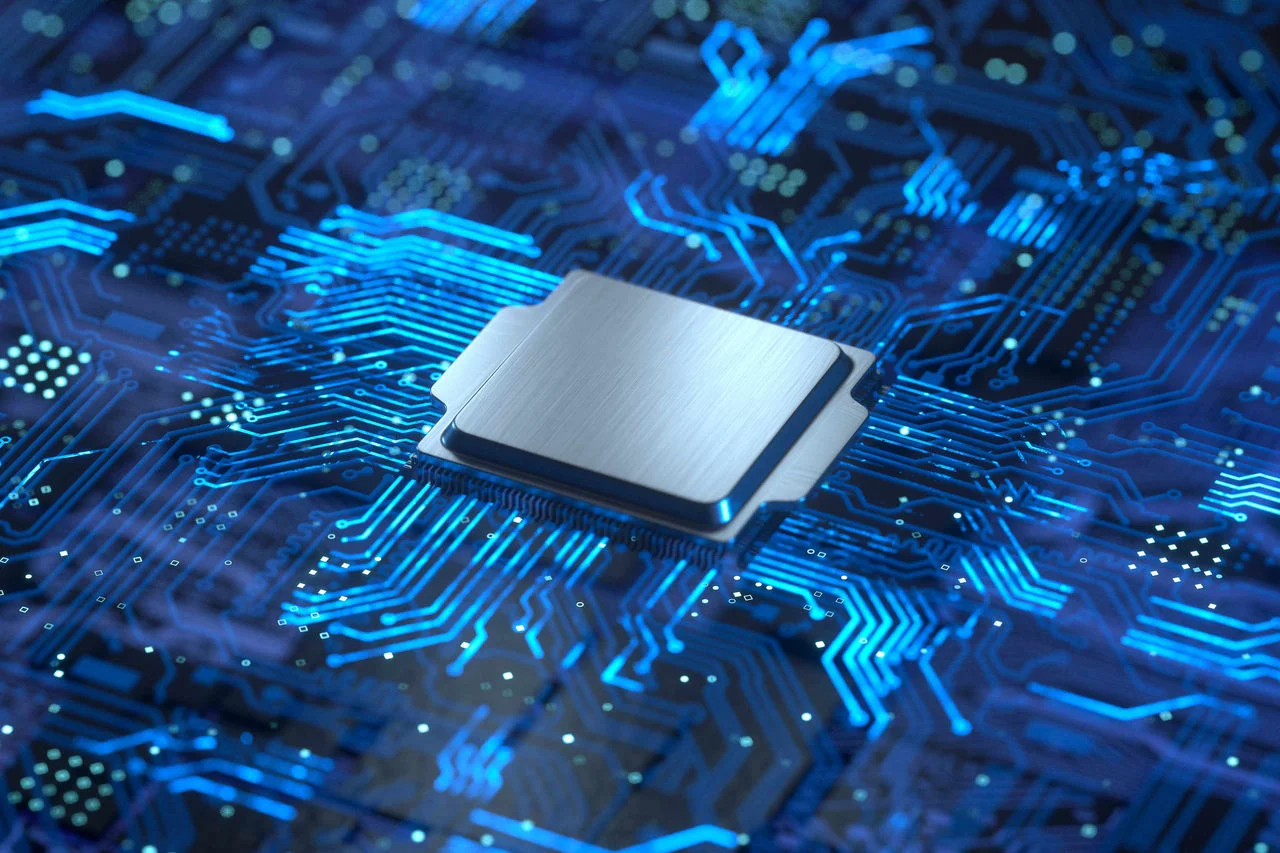
One of the most significant factors driving the current state of global markets is the growth of the semiconductor market, particularly with the success of companies like Taiwan Semiconductor Manufacturing Company (TSMC). Recently, TSMC reported a 35% increase in profits compared to the same period last year, signaling strong demand for chips used in artificial intelligence (AI). Experts believe that AI technologies will continue to be a key growth driver for semiconductors. Freddy Miller, Senior Analyst at NEWSCENTRAL, emphasizes that TSMC’s increased capital investments in expanding its production capacities, including in the U.S., signals the company’s confidence in the long-term growth of the sector. At NEWSCENTRAL, we forecast that the semiconductor industry will remain a key asset for investors, as the demand for AI chips is only set to increase.
The semiconductor market will continue to be a focal point in the coming years, thanks to innovations and strategic initiatives from major players such as TSMC, Nvidia, Advanced Micro Devices, and Broadcom. We expect that in 2026, the U.S. will continue investing in expanding domestic chip production capacities, reducing dependency on foreign supplies, and strengthening internal production. At NEWSCENTRAL, we anticipate steady growth in this sector, particularly with new agreements aimed at bolstering the technological leadership of the U.S. Lucas Grant, an analyst focused on the semiconductor industry and manufacturing strategies at NEWSCENTRAL, notes that TSMC’s current expansion in the U.S. holds strategic significance, as it will not only strengthen the company’s position but also have a significant impact on the entire semiconductor market, providing the U.S. with necessary technological independence.
According to Grant, investments in AI technologies and their associated components will remain a priority for large semiconductor companies, leading to increased demand for such products. In his analytical forecast, he highlights that “Taiwan and the U.S. are not only production hubs but also strategic partners in the race for technological supremacy in the AI sector.” This is an important indicator for investors seeking opportunities in this industry.
Meanwhile, the retail sector faces new challenges. The bankruptcy of Saks, the parent company of Neiman Marcus, marked a significant event that continues to underline the crisis in traditional retail. Amazon, which invested $475 million in Saks, has filed a lawsuit accusing the company of breaching the terms of their agreement. At NEWSCENTRAL, we see this as yet another warning for retailers who fail to adapt to changes in consumer preferences and technological trends. E-commerce continues to capture a growing share of the market, and retailers who cannot integrate traditional business models with digital platforms risk losing market positions.
We forecast that in 2026, the retail market will continue to transform, and only those companies that can effectively use technology to improve customer experience will remain competitive. Traditional retailers must consider not only improving operational efficiency but also new consumer preferences, such as the increased demand for eco-friendly products and the ability to integrate with omnichannel platforms.
Another important topic that will not go unnoticed is Donald Trump’s healthcare reform plan in the U.S. The new plan, aimed at reducing drug prices and medical insurance costs, continues to spark active discussions among experts. At NEWSCENTRAL, we believe that the implementation of this reform could significantly reduce healthcare costs for consumers, but it will also impact pharmaceutical companies, which may face challenges due to price regulations on their products.
These changes will affect not only the U.S. domestic market but also its international partners. We predict that new healthcare initiatives will lead to increased interest in companies developing innovative medical technologies. Investors in this sector should be prepared for potential changes in taxation and regulation, as well as monitor developments around drug accessibility and pricing initiatives.
Simultaneously, financial markets are also undergoing changes, fueled by increased interest in new forecasting technologies. Goldman Sachs recently announced its intention to explore new opportunities in the forecasting market. At NEWSCENTRAL, we emphasize that such an approach could significantly improve the accuracy of forecasts on financial markets, opening new avenues for risk minimization and profit growth.
The sports broadcasting market also continues to be strategically important for media companies. NBCUniversal, which has invested billions of dollars in exclusive broadcasting rights for major sporting events like the Olympics and the Super Bowl, continues to hold its ground amid rising competition from streaming services. In the coming years, sports broadcasting will remain a key element of media strategies, and companies will need to develop new ways to monetize sports events through digital platforms.
Investors should closely monitor the development of key trends in sectors such as semiconductors, retail, healthcare, and financial technologies. At NEWS CENTRAL, we forecast that 2026 will be a year of major changes and opportunities. Those who can quickly adapt to new conditions will have a chance to capitalize on these shifts. It is crucial to remain flexible and stay on top of global trends in order to make the most of these opportunities for growth and prosperity.