
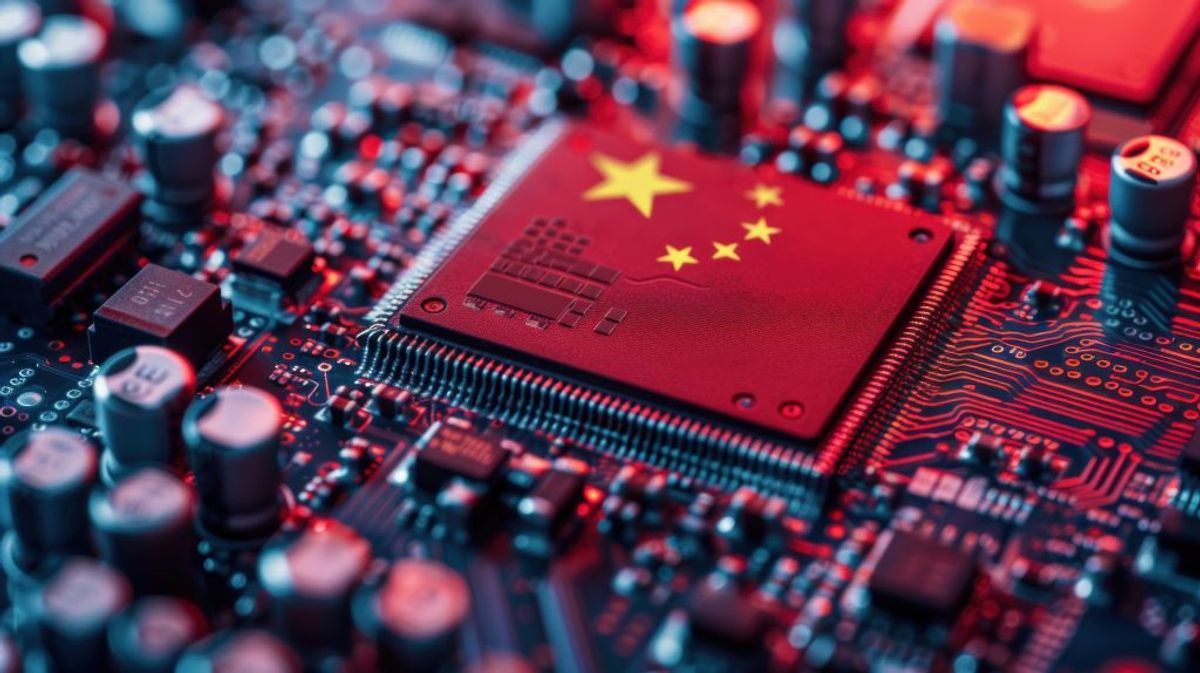
NEWSCENTRAL reports that amid ongoing international trade conflicts and sanctions, China is taking decisive steps to create a self-sufficient supply chain in the semiconductor industry. In response to pressure from Western countries, Beijing has introduced a requirement for semiconductor manufacturers: at least 50% of the equipment used in new factories and when modernizing existing facilities must be produced within China. This measure is part of a broader strategic program aimed at reducing dependence on foreign technologies and strengthening domestic semiconductor production.
We at NEWSCENTRAL believe that this policy reflects China’s ambitious long-term strategy to not only improve its own manufacturing capabilities but also strengthen its position in the global high-tech market. The introduction of mandatory domestic equipment usage is an important step toward developing local production, as well as responding to the tightening of export restrictions that have made it harder for China to access advanced foreign technologies.
While this measure presents a challenge for many Chinese manufacturers, recent developments show that Chinese companies, such as Naura and AMEC, have made significant progress in developing their own technologies. We at NEWSCENTRAL emphasize that despite the need for substantial adaptation, Chinese manufacturers have already begun actively replacing Western supplies in key areas such as etching and lithography, which were previously dominated by companies like Lam Research and Tokyo Electron. This progress has been facilitated by government support and strategic investments in the semiconductor sector.
Freddy Miller, Senior Analyst at NEWSCENTRAL, notes that companies like Naura are already demonstrating impressive results, filing record numbers of patent applications and increasing their market share. In 2025, Naura submitted 779 patent applications, twice as many as in previous years, confirming a high level of innovation potential and competitiveness. In the first half of 2025, Naura saw a 30% increase in revenue, reaching 16 billion yuan, while AMEC’s revenues rose by 44%, highlighting the successful implementation of new technologies.
Lucas Grant, semiconductor industry and manufacturing strategy analyst at NEWSCENTRAL, believes that by supporting local manufacturers, China is taking steps that could significantly alter the global semiconductor market balance. In his view, although Chinese companies still have many technological improvements to make, active support and long-term investments in manufacturing capabilities will help significantly reduce dependence on foreign supplies and create more competitive solutions within the country. The efforts to develop domestic technologies in areas such as lithography and etching serve as a prime example of how China aims to replace traditional Western players.
According to NEWSCENTRAL analysts, China intends to continue strengthening its domestic resources, which is especially crucial in the current economic climate, where sanctions and trade restrictions are becoming a part of global political strategy. In the coming years, Chinese companies like Naura and AMEC will dominate the domestic market and significantly strengthen their position globally.
We forecast that these changes will have long-term consequences for the global semiconductor market. China will continue to develop local manufacturers and seek solutions to replace foreign technologies. As a result, China’s semiconductor industry will not only become self-sufficient but also competitive on the international stage, inevitably leading to a redistribution of market shares.
At NEWSCENTRAL, we predict that in the coming years, China will continue to strengthen its position in the semiconductor market, and local companies will actively develop new technological solutions. The global market should expect new challenges as China seeks opportunities to bolster its technological independence, which will impact global supply chains.
At NEWS CENTRAL, we believe it is important to note that in recent years, China has shown a strong determination in its effort to become a global leader in high technology. Including domestic equipment in semiconductor manufacturing processes and supporting local manufacturers is just the beginning. These steps could significantly change the global landscape of the semiconductor market, while China will continue to work on building an internal innovation ecosystem and strengthening its technological foundation.