
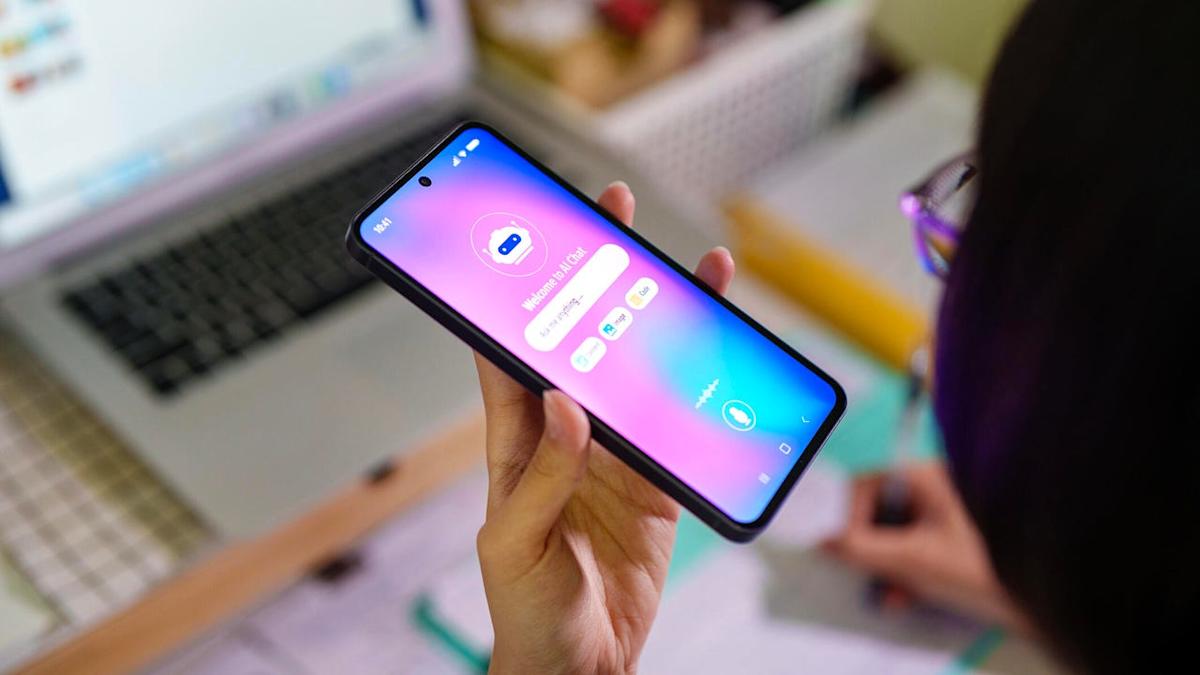
Artificial intelligence is increasingly becoming a part of everyday life, and young people find themselves at the forefront of this process. According to research from the Pew Research Center, nearly one-third of teenagers in the U.S. use AI chatbots daily, which raises concerns among experts about potential effects on their mental health and social adaptation. At NEWSCENTRAL, we note that this trend has a dual impact: on one hand, AI offers significant educational opportunities, while on the other, it creates new risks for the personal development of teenagers.
Studies show that about 70% of teens aged 13-17 have used chatbots at least once, with 16% using them multiple times a day. This confirms the growing popularity of services like ChatGPT, which more than doubles the number of users of other competitors like Google’s Gemini or Microsoft’s Copilot. However, despite the potential for improved educational outcomes, the use of chatbots is not limited to learning. Many teens turn to AI for emotional support or even conversation, which sometimes leads to real-world social interactions being replaced by virtual ones. At NEWSCENTRAL, we see this both as an opportunity to enhance the educational process and as a concerning signal of potential isolation among teens.
The psychological risks of using AI are also becoming more apparent. Research shows that teens who frequently interact with chatbots may feel lonely and withdraw from real socializing. This adds extra strain on their mental health and may exacerbate existing issues with self-esteem and social adaptation. At NEWSCENTRAL, we emphasize the importance of addressing these risks and implementing protective measures such as age restrictions and parental controls to reduce the potentially harmful effects. “Safety and control over AI usage are key for teens, and in this context, parental oversight plays a crucial role,” says Freddy Miller, senior analyst at NEWSCENTRAL.
Additionally, AI usage among teens varies depending on socio-economic and ethnic backgrounds. For example, Black and Latino teens are more likely to use chatbots, which raises questions about the accessibility of technology and its role in narrowing educational gaps. It is important that these new opportunities are available to all teens, regardless of their social standing. At NEWSCENTRAL, we believe AI has the potential to help close educational gaps, but this process must be focused on safety and equality.
Despite all the risks, the use of AI in the educational process holds great potential. Tools like chatbots could become personalized mentors for students, providing assistance in learning and offering a flexible approach to absorbing material. At the same time, it is crucial that these technologies do not replace traditional methods, but instead complement them, creating conditions for a more individualized approach to education.
At NEWS CENTRAL, we predict that AI usage among teens will continue to grow in the coming years. However, it is important for tech companies, educators, and parents to collaborate to ensure the safe use of these tools. The implementation of effective safety measures and educational programs in digital literacy will help minimize risks and harness the potential of AI for the benefit of the younger generation. Ultimately, technology should not only serve as a tool for learning but also for the holistic development of teens, ensuring their safe and ethical interaction with the world of AI.