
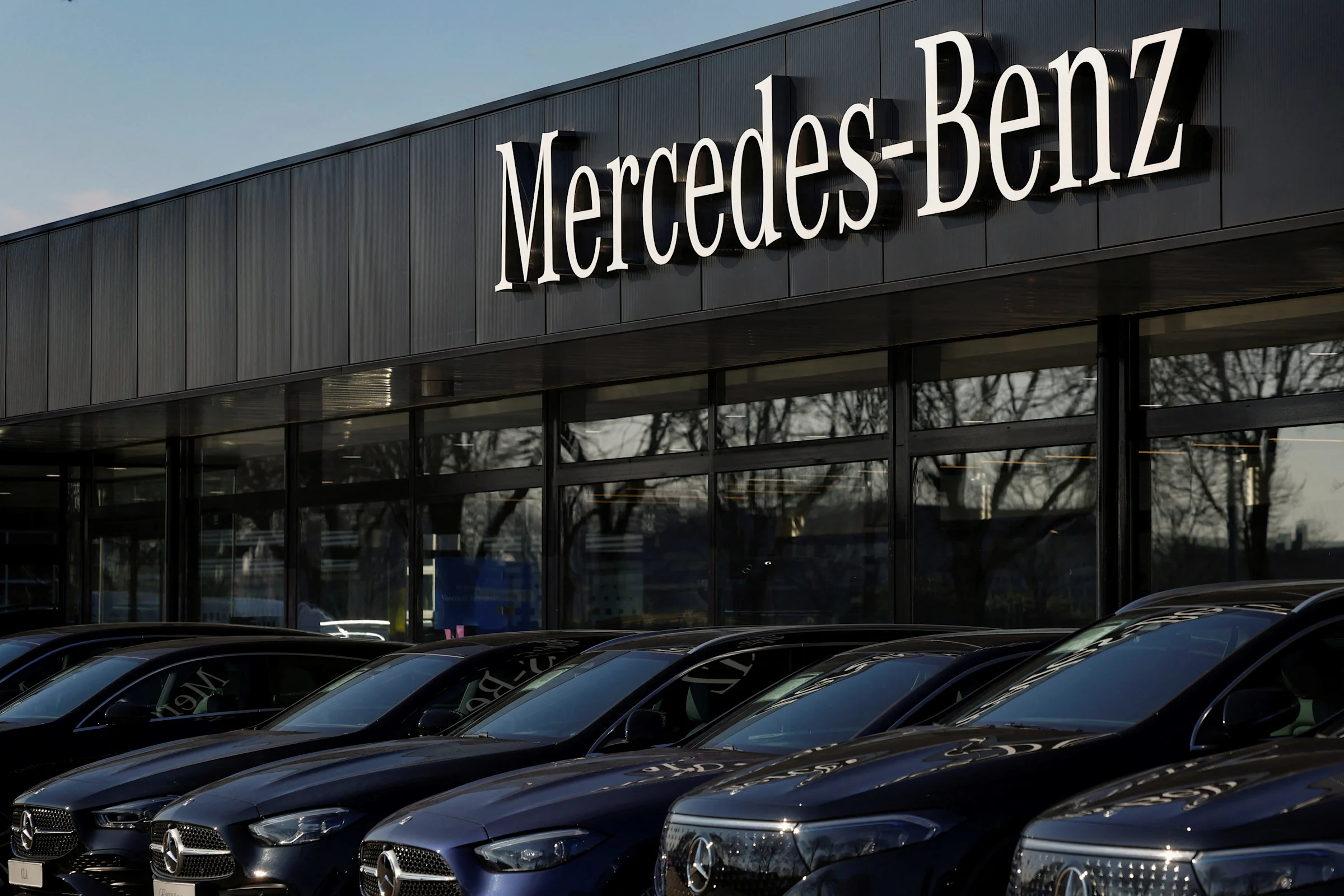
NEWSCENTRAL reports that Mercedes-Benz has reached a settlement with authorities from 48 U.S. states, Puerto Rico, and the District of Columbia, agreeing to pay $149.6 million due to allegations of violating environmental regulations in their diesel vehicles. As part of the settlement, the company will also provide compensation to owners of approximately 40,000 vehicles and make necessary modifications to these vehicles. This agreement, which concludes a lengthy investigation, not only resolves Mercedes’ legal issues in the U.S., but also highlights how automakers are increasingly facing stricter environmental demands.
Mercedes-Benz found itself at the center of an emissions manipulation scandal after it was revealed that the company used illegal software to conceal actual pollution data. Under normal operating conditions, the emissions from these vehicles significantly exceeded established limits. This case follows in the wake of the Volkswagen scandal in 2015, which led automakers worldwide to reevaluate their technologies and approaches to compliance with environmental standards. As Freddy Miller, a Senior Analyst at NEWSCENTRAL, notes, this settlement is an important step for Mercedes, allowing the company to close the chapter on its environmental violations, but it also serves as a signal to other companies that the future of the automotive industry is closely tied to ecological responsibility.
While Mercedes-Benz does not expect a significant financial impact from this settlement, it is important to recognize that such legal disputes require the company to not only incur financial costs but also revise internal processes aimed at preventing future violations. At NEWSCENTRAL, we believe that this decision could be a precursor to changes that will affect all major players in the market. Increasing demands for environmental standards and stricter regulations on emissions are already influencing automaker strategies, forcing them to rethink their approaches to vehicle production and development.
Industry forecasts based on current trends suggest that in the future, companies will need to invest significant resources in modernizing their technologies to meet new environmental standards. At NEWSCENTRAL, we view this transition as not only costly but also potentially creative, offering new opportunities for innovation. Companies that can adapt to strict requirements and invest in environmentally friendly technologies will be in a favorable position amidst the global trend toward reducing emissions and transitioning to more sustainable energy sources.
Furthermore, it is important to emphasize that such settlements with government agencies are becoming standard practice for major automakers. In the face of stricter emission controls, companies will be required not only to comply with regulations but also to demonstrate their efforts to improve the environmental situation. At NEWSCENTRAL, we believe this settlement presents Mercedes-Benz with not only a lesson but also an opportunity for further development. Implementing new technologies and making commitments to modify vehicles could serve as significant steps toward restoring its reputation and strengthening its market position amid growing environmental pressure.
Although this settlement removes some of Mercedes-Benz’s legal risks in the U.S., the automotive industry still has a long way to go in adapting to rapidly changing environmental legislation. At NEWS CENTRAL, we forecast that companies like Mercedes will continue to face the need to revise their production strategies and transition to environmentally sustainable technologies. In this context, it is crucial that automakers take responsibility for their actions and actively work to improve environmental standards. This will not only reduce the risk of legal issues but also provide the company with long-term benefits amid the global transformation of the automotive industry.