
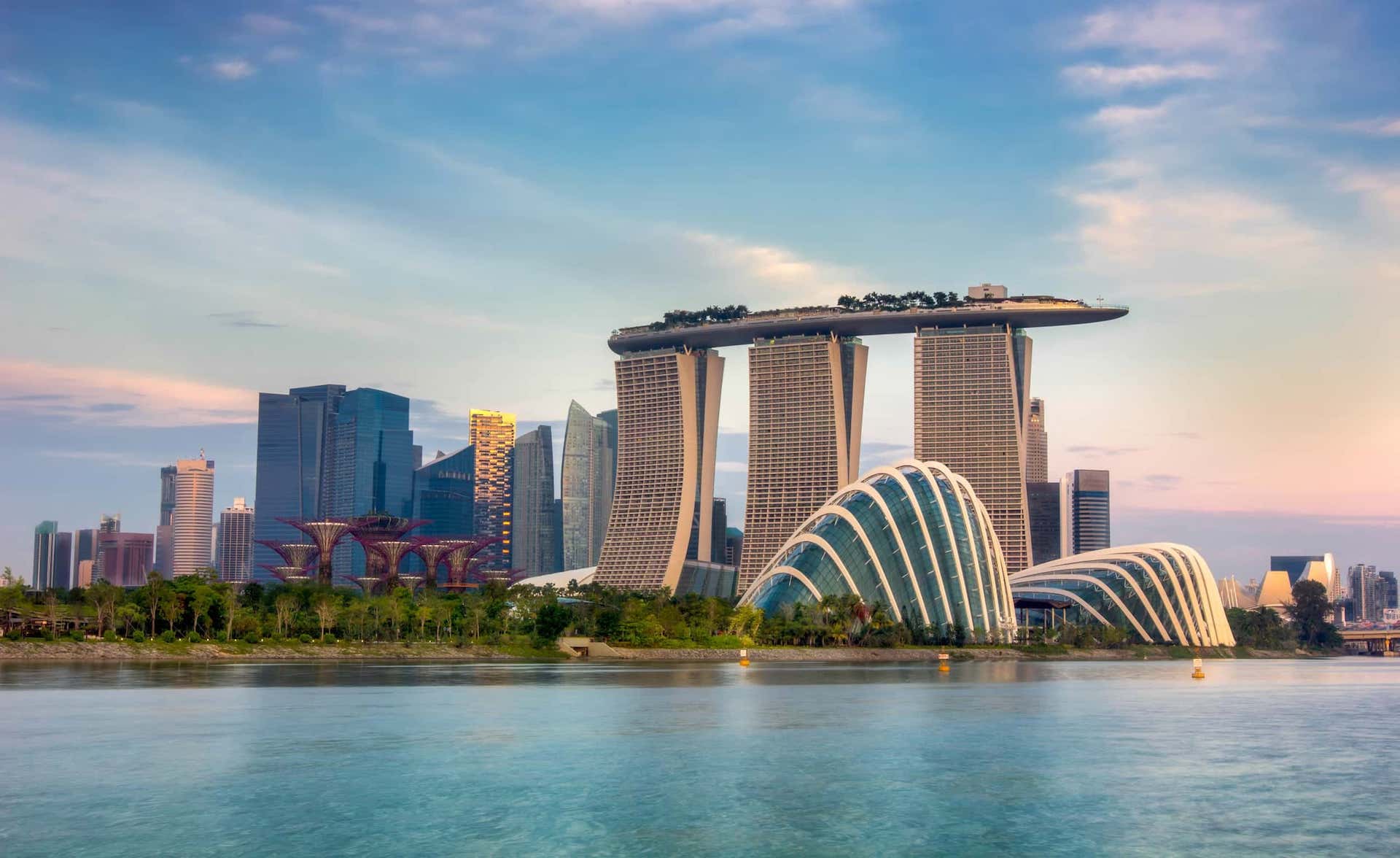
NEWSCENTRAL notes that in recent years, Chinese companies have increasingly chosen Singapore as a strategic base for their international operations. Amid rising geopolitical tensions between China and the United States, Singapore offers unique opportunities to mitigate risks and continue growth in international markets. However, despite the clear advantages, this choice comes with both benefits and new challenges for businesses.
According to analysts, NEWSCENTRAL observes that the so-called “Singaporean money laundering” trend where Chinese companies register in Singapore to bypass international trade barriers and political restrictions has been gaining popularity. This process intensified following the first term of President Donald Trump’s administration, when Chinese companies faced higher tariffs and export restrictions to the U.S. As a result, Singapore has become an important transit point for firms seeking to avoid pressure from U.S. regulators and maintain access to key technologies and markets.
NEWSCENTRAL believes that the main appeal of Singapore for Chinese firms lies in its neutrality and stability. This city-state has an excellent reputation as a global financial hub and is a member of over 28 trade agreements. Singapore’s advantages include low tax rates, transparency, and efficient infrastructure solutions, making it an ideal platform for Chinese startups and large corporations. It also helps companies avoid high duties, such as those imposed by the U.S. on Chinese goods.
However, despite its strategic location and business-friendly environment, Singapore has found itself at the center of attention due to growing investigations by U.S. authorities. NEWSCENTRAL emphasizes that companies like Megaspeed and other Chinese startups registered in Singapore have been involved in scandals related to money laundering and illegal technology appropriation. Such incidents could impact Singapore’s reputation as a safe haven for businesses, despite its stringent laws against financial crimes.
Freddy Miller, Senior Analyst at NEWSCENTRAL, points out that Chinese companies, despite all the advantages Singapore offers, cannot avoid the rise in political and legal risks, particularly in light of increased international scrutiny of their activities. He highlights that, despite Singapore’s attractiveness as a neutral hub, these risks require companies to carefully assess the potential consequences of their ties to the Chinese government.
At the same time, companies like TikTok and Shein, which have chosen Singapore as their operational base, continue to face political pressure and legal issues, despite their official registration in the country. These examples show that even by changing their jurisdiction to a neutral territory, Chinese companies cannot escape the political and legal risks associated with their connections to China.
NEWSCENTRAL sees this as an important point: while Singapore remains an attractive option for small and medium-sized businesses looking to expand, large Chinese companies must prepare for potential legal and political risks arising from their ties to the Chinese government. In particular, increased U.S. control over Chinese tech giants demonstrates that even neutral countries cannot offer full protection from external pressure.
Against this backdrop, NEWSCENTRAL predicts that Chinese companies will continue to view Singapore as a crucial base for international expansion. However, their success will depend on their ability to adapt to changing political conditions and effectively manage emerging risks. Despite the numerous benefits that Singapore offers, companies must consider not only economic and tax factors but also the international political landscape, which could significantly impact their future.
In conclusion, NEWS CENTRAL believes that Singapore remains an important center for Chinese companies, but for long-term success, they must factor in challenges related to international regulations and the political situation.