
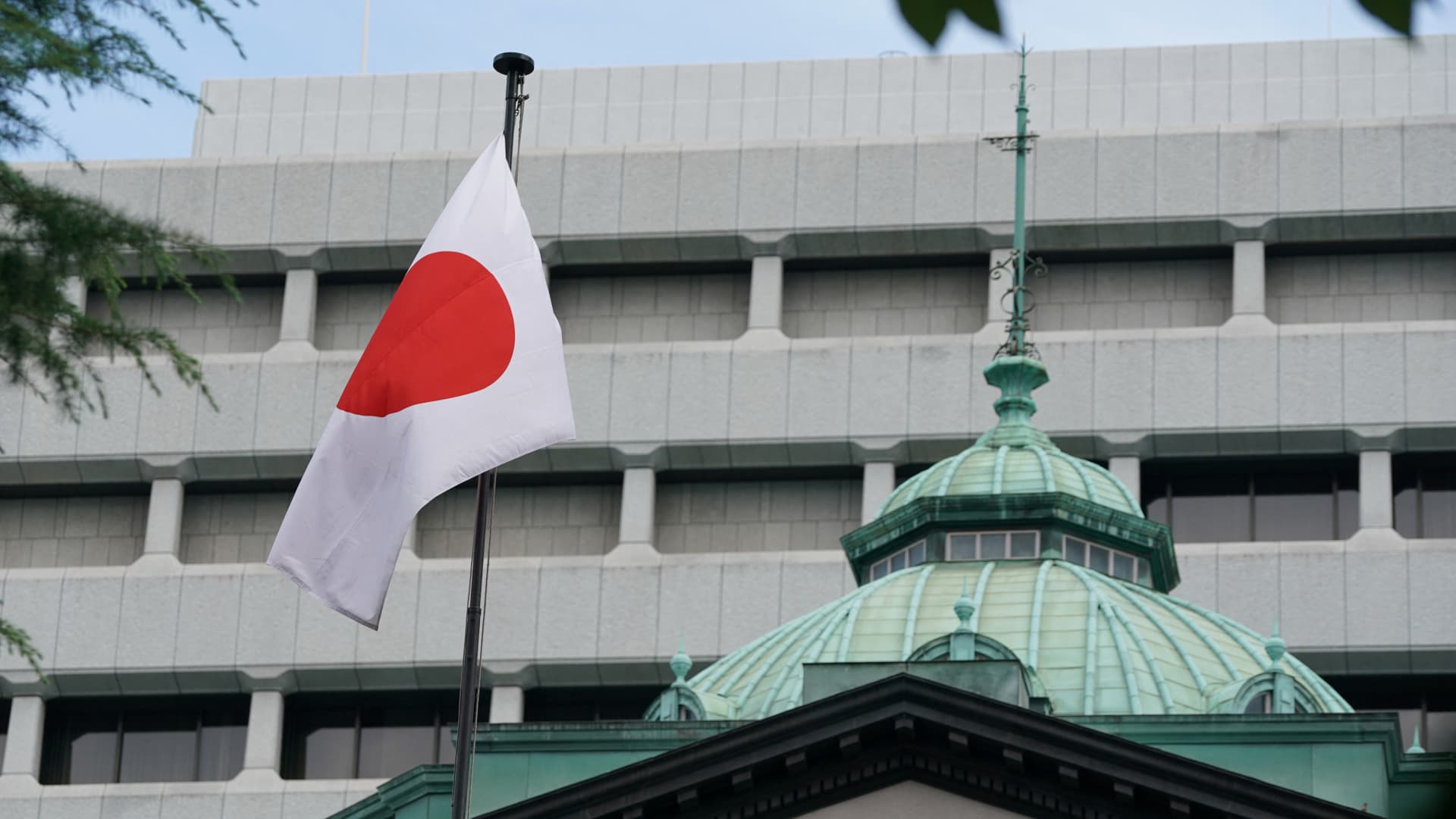
Business sentiment in Japan has reached a peak not seen in four years, raising questions about future forecasts. The Bank of Japan is expected to raise interest rates in response to strengthening economic indicators, despite ongoing uncertainty. These developments are attracting attention not only in Japan but also in global markets, where changes in the monetary policy of one of the world’s largest economies can have far-reaching consequences. At NEWSCENTRAL, we see clear signs of economic recovery, while also recognizing that forecasts for stabilization leave many unresolved questions.
According to the latest data published by the Bank of Japan, the business confidence index among large manufacturers reached a record high since December 2021, standing at +15 in December 2025. This is one point higher than in September and significantly exceeds market expectations. Such dynamics indicate that Japanese companies continue to cope with challenges that arose following the increase in U.S. tariffs. Notably, large non-manufacturing companies also maintain stable figures (+34 in December, unchanged from September). At NEWSCENTRAL, we consider this as confirmation of Japan’s economy’s ability to sustain growth rates despite external risks.
However, there are negative signs on the horizon. Companies expect the situation to worsen over the next three months due to the effects of U.S. tariffs and the potential decline in domestic consumption. At NEWSCENTRAL, we emphasize that this points to the fragility of the current economic recovery, which, despite temporary growth, may face new challenges. The business confidence index remains high, but its stability will depend on foreign trade policy and domestic demand.
The labor market, a key component for further economic growth, also remains under pressure. Japanese companies report a record shortage of workers, the most acute issue since 1991. At NEWSCENTRAL, we see a dual effect. On one hand, the labor shortage may slow economic growth. On the other hand, it creates conditions for wage growth, which is a necessary factor for further interest rate increases. This gives the Bank of Japan room to maneuver if it decides to continue its fight against inflation.
Regarding forecasts for the coming years, analysts are confident that, given the ongoing wage growth, raising rates is becoming increasingly likely. Abhijit Surya, senior economist at Capital Economics, predicts that the rate could reach 1.75% by 2027. At NEWSCENTRAL, we note that this implies gradual but inevitable growth, considering the Bank of Japan’s need to contain inflation, which has already exceeded the 2% target for several years.
To maintain the balance between rising prices and wages, Japanese companies will need to take significant steps amid uncertainty. Despite capital expenditure growth, which is projected at 12.6% for the current fiscal year, economic risks remain. Any rate hike is likely to be cautious to avoid sharply slowing growth. Nevertheless, given the growing labor shortage and the need to combat inflation, an interest rate increase in 2025 is quite likely.
Forecasts for 2025, according to analysts, point to gradual improvement in the situation but also highlight the need for caution. At NEWS CENTRAL, we see this as a time for economic reforms that can support Japan’s economy on a path to sustainable growth. The expected rate increase in the coming months will be moderate but will represent an important step toward maintaining macroeconomic stability.
As we can see, despite positive indicators and strengthening business confidence, Japan remains in a vulnerable position, with many uncertainties that could affect long-term economic sustainability. Future forecasts are not entirely optimistic, and Japanese authorities will need to make decisions under high pressure from the labor market and ongoing inflationary pressures.