
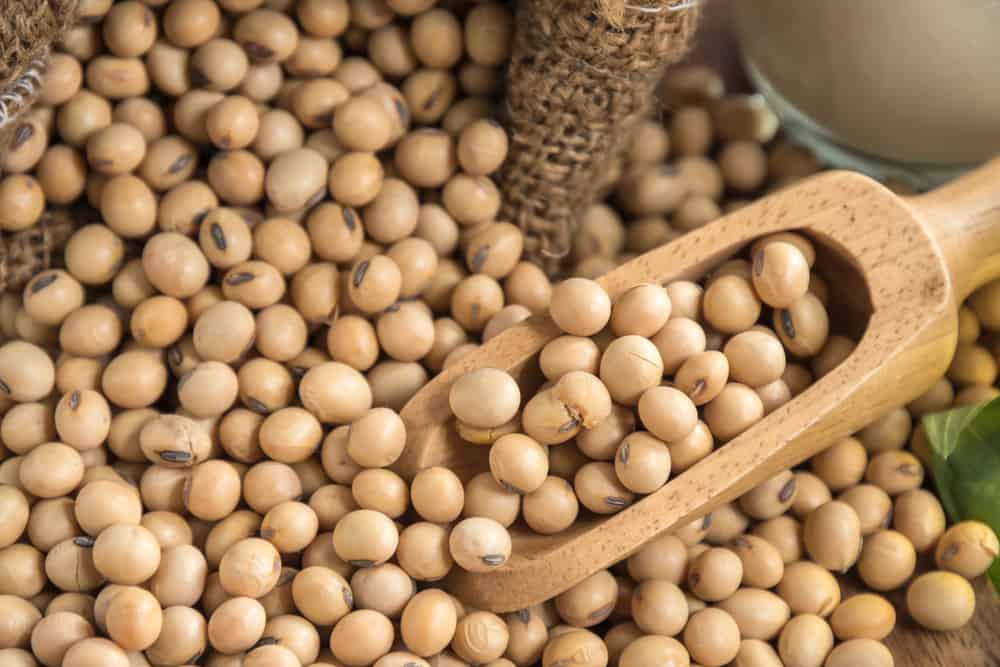
NEWSCENTRAL reports that changes in the soybean purchase schedule by China, the largest buyer of U.S. agricultural products, have become an important topic for global markets. China, which was expected to purchase 12 million metric tons of soybeans in 2025, will now fulfill its obligations by the end of the next growing season. This news was announced by U.S. Trade Representative Jameson Greer and raised concerns among farmers and analysts.
Greer explained the delay in the schedule, stating that the main soybean shipments to the U.S. occur in the fall, particularly in September and October. This means that China will purchase soybeans based on the harvest of the next year, which will delay the fulfillment of agreements until the spring of 2026. For American farmers, this may become an additional challenge, as changes in the purchase schedule make long-term production and sales planning more difficult.
At NEWSCENTRAL, we believe these changes could affect U.S. farmers’ businesses. Amid uncertainty with purchase schedules, farmers will face the need to adjust their plans. This could also impact prices and supply volumes on international markets, as China remains a key player in soybean purchases. We predict that delays in fulfilling Beijing’s commitments may lead to higher soybean prices in other countries, further complicating the situation for U.S. producers.
Currently, China has purchased around 2.85 million tons of soybeans, with an additional 132 thousand tons booked for delivery. However, we emphasize that the bulk of the purchases will still be made in 2026, which adds to market instability. Under these changing conditions, farmers will need to be prepared for adaptation and the risks associated with unpredictable external demand.
Senior Analyst at NEWSCENTRAL, Freddy Miller, emphasizes that these changes require U.S. farmers to engage in long-term planning and diversify their export streams. Given China’s strategic importance as the primary buyer of American soybeans, the risks depend on political and economic factors that may influence demand and supply in international markets.
In response to the threat of economic instability, the U.S. government has proposed a $12 billion assistance package for farmers to support them during trade wars. However, this is a temporary measure and does not address the global issues caused by volatility in agricultural commodity markets. It is important for farmers and traders to be prepared for market changes and to quickly adapt their business strategies.
At NEWSCENTRAL, we forecast that changes in soybean purchase schedules will create significant volatility in global markets, particularly in the vegetable oil, meal, and animal feed markets. We predict that, given potential changes in external markets, U.S. farmers will need to find new sales channels and markets to offset the risks associated with China’s demand instability.
In conclusion, at NEWS CENTRAL, we emphasize that changes in soybean purchase schedules are a signal for action for U.S. farmers and international traders. Flexibility and the ability to respond quickly to changes in external trade will be key to long-term success.