
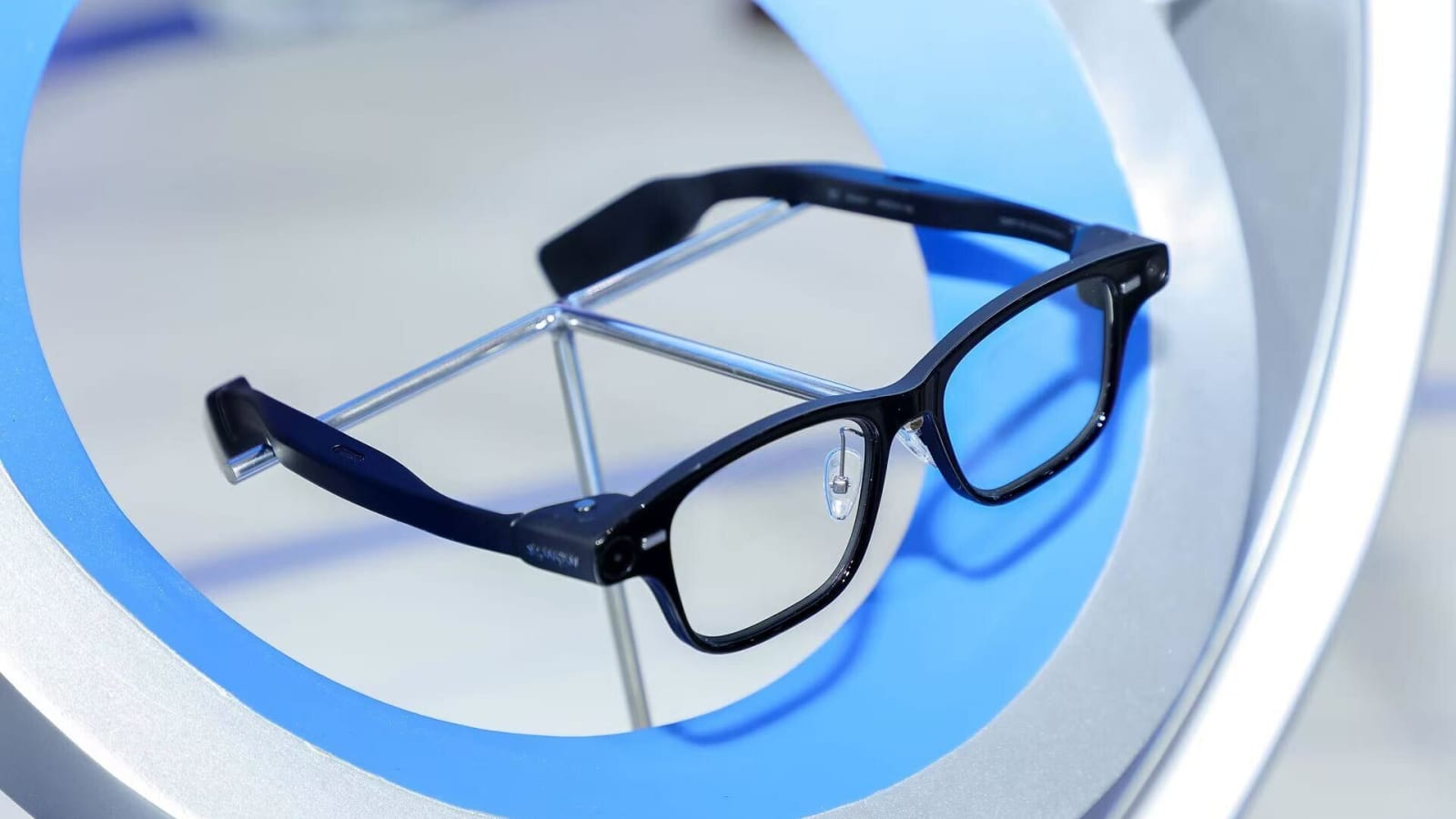
Alibaba recently introduced its AI-powered Quark AI glasses in China. Priced from 1,899 yuan (approximately $268.25), this move signals the company’s intention to carve out a niche in the wearable technology market with AI integration. Unlike large VR headsets like Meta Quest and Apple Vision Pro, Quark AI glasses look like regular eyewear with a black plastic frame. However, they contain a powerful AI engine, Qwen, which offers features such as instant text translation, price recognition, and integration with apps like Alipay and Taobao, making them a convenient tool for everyday tasks.
NEWSCENTRAL notes that Alibaba’s main focus here is functionality and integration with its ecosystem. We see this as a strategic move to expand Alibaba’s presence in the rapidly growing wearables market, where competition from giants like Meta, Apple, and Samsung is fierce. The Quark AI glasses are designed for practical use, which distinguishes them from products that focus primarily on entertainment or virtual reality. This provides Alibaba with an opportunity to occupy a unique position by offering users not just a tech accessory, but a comprehensive tool to simplify daily tasks.
The Quark AI glasses integrate with various Alibaba services, including Alipay, enabling users to make payments and shop via Taobao just by wearing the glasses. According to NEWSCENTRAL, this significantly enhances the device’s utility, making it valuable not only for entertainment but also in daily life.
Freddy Miller, senior analyst at NEWSCENTRAL, emphasizes that Alibaba is betting on the practicality of its device, and this could be a key advantage in the competitive landscape. “The launch of Quark AI is a step towards creating a universal device that is not only a convenient tool for consumers but also expands Alibaba’s ecosystem,” Miller notes. He also adds that the success of this product will depend on how well the company can integrate it with other services and applications, creating not just a device but a new standard for AI-powered wearables.
Despite the technological advantages, competition in the AI-powered wearables market remains high. Meta continues to dominate the VR headset segment, holding around 80% of the global market. Apple’s Vision Pro and Samsung’s Galaxy XR are also actively incorporating AI into their devices. However, NEWSCENTRAL believes that if Alibaba focuses on integrating Quark AI with its ecosystem and offers additional features that are in demand, the company could carve out its unique niche.
NEWSCENTRAL predicts that the long-term success of Quark AI will largely depend on Alibaba’s ability to scale the device for international markets. In the coming years, AI-powered devices will rapidly evolve, and companies like Meta and Apple will continue to introduce new technologies to maintain leadership. It is crucial for Alibaba to demonstrate not only technological superiority but also the ability to adapt its products to different markets and user needs.
The company must also be prepared for the possibility that competitors will release similar AI-powered devices, creating additional challenges for Alibaba. In a globally competitive environment, successful positioning and marketing strategy will be critical to success.
In conclusion, Freddy Miller adds, “If Alibaba can successfully integrate AI into its wearable devices and adapt them for a global audience, Quark AI has every chance of becoming an important product in the wearables market.” He also stresses that the company must continue to develop its ecosystem and integrate new features that will appeal not only to Chinese users but to a global audience.
Thus, NEWSCENTRAL views Quark AI as not just an innovative device but also a significant step in Alibaba’s long-term strategy. We predict that in the coming years, AI technologies will continue to advance, and the company that successfully adapts its products to meet user demands will be able to secure strong positions in the rapidly changing technological landscape.