
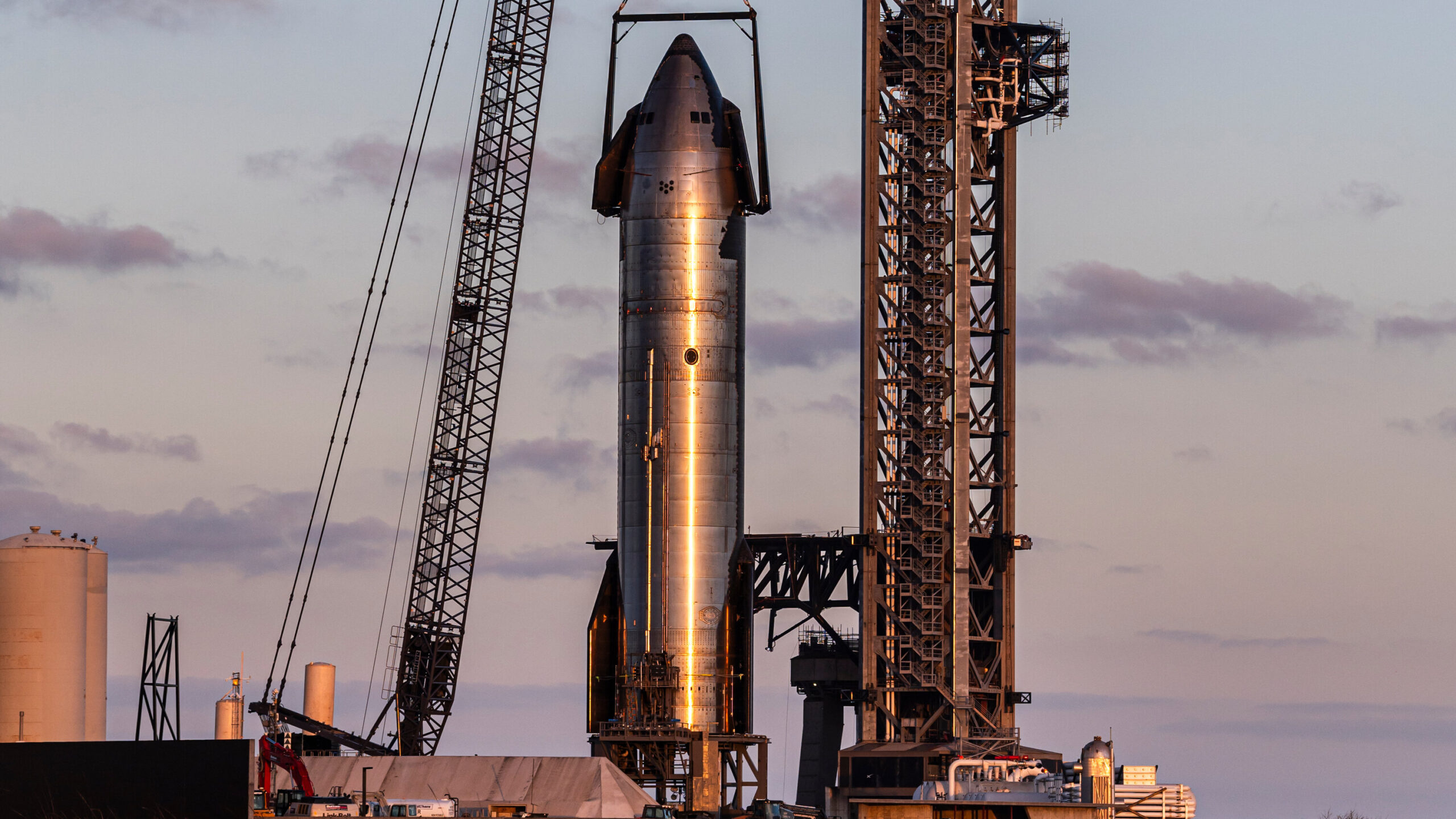
On Friday morning, an accident occurred at SpaceX’s test facility in Texas, involving the first stage of the upgraded Super Heavy booster for the Starship rocket. The incident, captured on video, was a significant event for the company, as the booster was damaged and gas leaked from the side sections, indicating a serious structural failure. SpaceX has already confirmed that the cause was an anomaly in the pressurized gas supply system. As a result of the accident, the rocket was unable to complete key tests, which will undoubtedly cause a delay in its launch. The time required to fix the issues and conduct re-testing will certainly impact the company’s broader plans, including its involvement in NASA’s ambitious missions.
At NEWSCENTRAL, we note that SpaceX had set ambitious goals, including the launch of the upgraded Super Heavy booster in early 2024, which was to be part of broader testing for the Starship rocket, aimed at future lunar missions for NASA. These tests were designed to verify new structural solutions and improved fuel systems, which were intended to ensure the rocket’s stability under high g-forces and enhance its efficiency for crewed missions to the Moon. However, the failure during testing now threatens these plans and may significantly delay the rocket’s launch.
Moreover, we at NEWSCENTRAL see this incident not only as a technical issue but also as a risk to meeting SpaceX’s commitments to NASA. Starship plays a central role in NASA’s Artemis program, which aims to return humans to the Moon as part of an international partnership. Any delays in the development of the rocket could impact the entire program’s timeline. Over the past few years, SpaceX’s lunar rocket development program has attracted significant attention, and the failure of the Super Heavy tests is a notable setback for the company, which had been focused on meeting deadlines. In the context of the global space race, this also increases pressure on SpaceX, given the competition from China’s space program, which is actively developing its own rockets for lunar missions.
The Super Heavy booster upgrade as part of the new Starship V3 version is a key component of SpaceX’s ambitious plan to provide technologies for not only lunar missions but also future expeditions to Mars. However, as experience shows, testing such large and complex structures inevitably encounters technical problems. At NEWSCENTRAL, we predict that the incident will likely delay development by several months. This could push back the timeline for the missions that NASA has entrusted to SpaceX, especially in the context of increasing international competition in the space sector.
We at NEWSCENTRAL emphasize that despite the testing issues, SpaceX still holds a leadership position in the development of cutting-edge space technologies. The company is known for its ability to quickly respond to failures, make rapid adjustments, and continue advancing its projects. However, to ensure the successful execution of lunar missions and maintain its competitive position, SpaceX will need to strengthen quality control at every stage of development and testing. The current problems with the Super Heavy booster serve as a warning about how important it is to thoroughly check all components before moving on to the next stage of development.
Freddy Miller, senior analyst at NEWSCENTRAL, believes that while the incident will delay the rocket’s launch and require additional time for repairs, SpaceX is likely to resume testing soon and continue working on the rocket’s upgrades. He notes that despite these temporary setbacks, the company will continue improving its design and will strive to achieve its goal of providing the U.S. and other countries with the necessary means for crewed space missions.
NEWS CENTRAL concludes that SpaceX will continue to develop its technological base despite these technical challenges. However, the company will need to place greater emphasis on quality testing to avoid further delays and complications in the implementation of NASA’s programs. The issues encountered at this stage are likely to be temporary, but for the successful completion of lunar and Mars missions, SpaceX will need to refine its processes, minimize risks, and work closely with both governmental and private partners.