
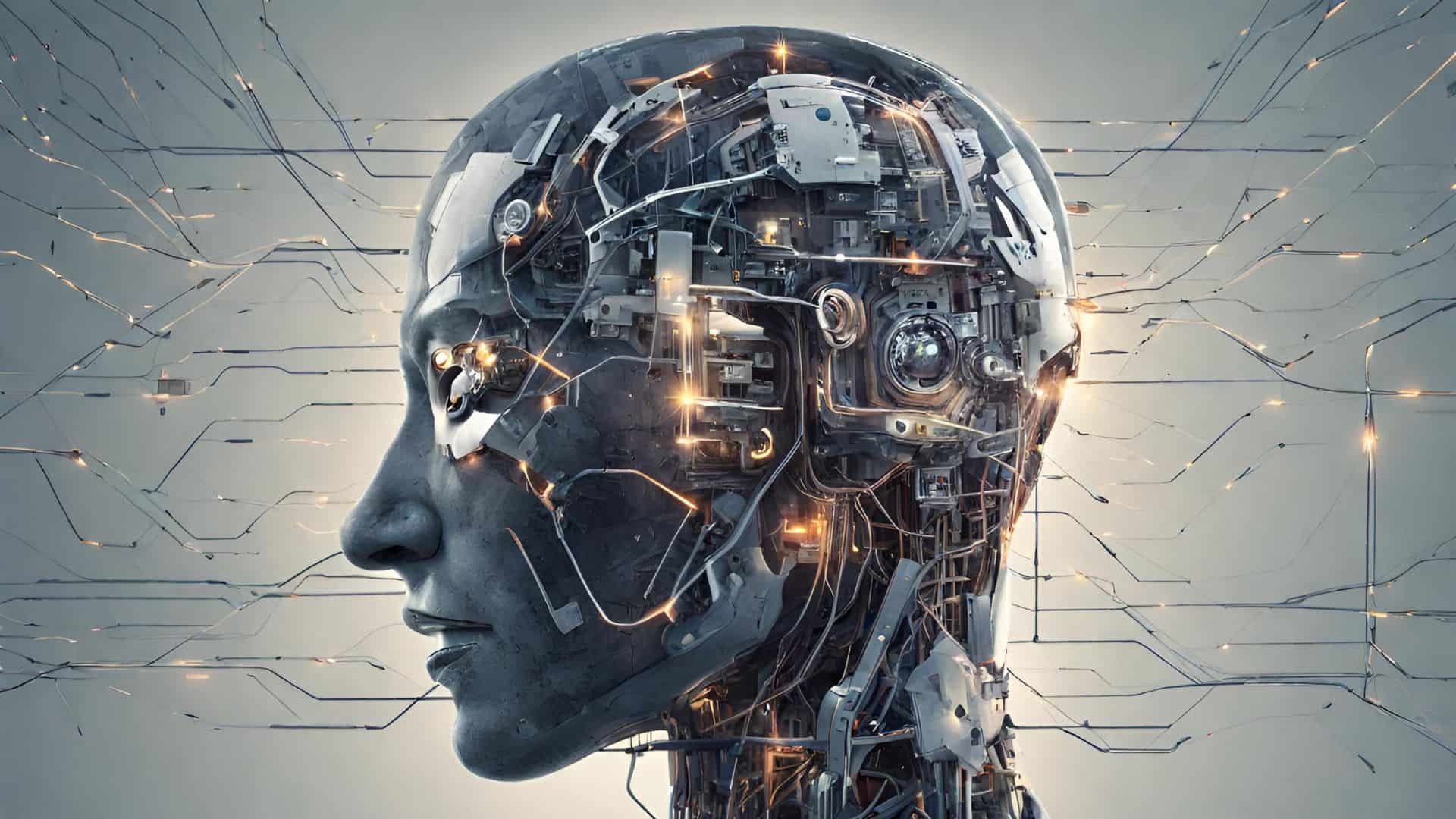
We note that the U.S. labor market is showing mixed signals, despite high activity in the manufacturing and sales sectors of the economy. Freddy Miller, Senior Analyst at NEWSCENTRAL, emphasizes that companies are increasingly using artificial intelligence (AI) to boost employee productivity, which reduces the need to hire college graduates. We see this as a potential structural transformation of the U.S. labor market, where AI adoption becomes a key driver of efficiency, productivity growth, and changes in employment dynamics.
According to analysts, productivity gains from AI mean that companies prefer to develop existing employees rather than attract newcomers. Freddy Miller notes that this shift in balance may limit employment opportunities for young professionals, even as overall economic growth in the U.S. continues. We highlight that this labor market trend could restrict the creation of new jobs, creating risks for long-term consumer demand and economic stability.
We believe that current wage levels and stability in certain sectors indicate partial resilience of the U.S. labor market. However, we see potential for a slowdown in hiring, particularly of young professionals, which could reshape the traditional employment structure and slow economic growth.
NEWSCENTRAL forecasts that if the current trend continues, the U.S. Federal Reserve (Fed) may lower the key interest rate by 25 basis points to support economic growth and employment stability. Freddy Miller emphasizes that Fed decisions should remain data-driven, focusing on employment, wages, and inflation.
At NEWS CENTRAL, we see two possible scenarios: a moderate one – stabilization of the labor market at a new level without a sharp drop in hiring; and a more complex one – if companies continue to reduce hiring of young professionals, which could exacerbate income inequality and slow the growth of consumer spending. We stress that for businesses, it is critical to combine investments in technology with workforce development, and for professionals, to develop skills that complement AI. Freddy Miller predicts that the flexibility of political and economic decisions will be a key factor in the sustainable growth of the U.S. economy in the coming years.