
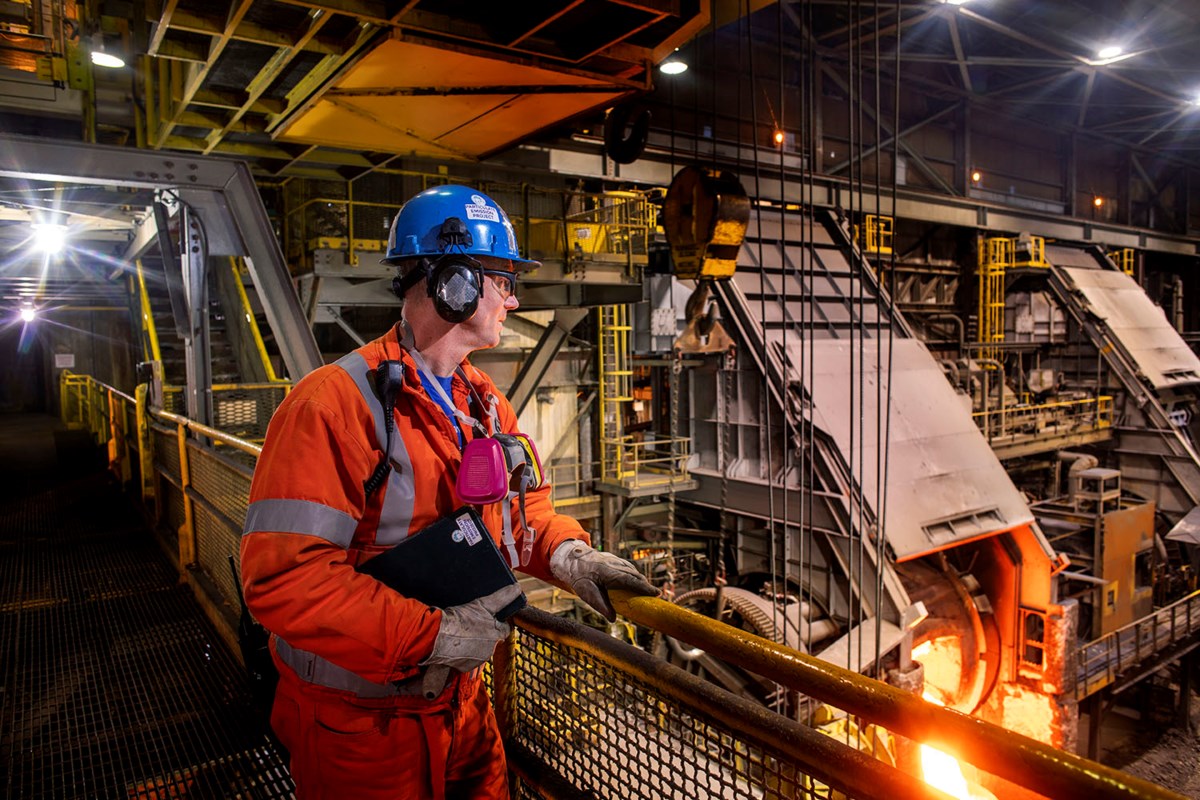
At NEWSCENTRAL, we note that Glencore is considering the possible closure of its Canadian copper smelter, Horne Smelter, in the province of Quebec. The primary reason is the need for substantial investment in modernization and compliance with environmental regulations. According to Freddy Miller, Senior Analyst at NEWSCENTRAL, “The closure of Horne Smelter would have a significant impact on the North American copper supply chain and increase pressure on global metal prices.”
Sources close to the company indicate that the smelter produces over 300,000 metric tons of copper per year, although official figures are not published. If the facility is shut down, it will heighten forecasts of a global copper deficit, considering the already reported supply disruptions in Indonesia and Chile. Copper prices recently reached a record high of $11,200 per ton.
We at NEWSCENTRAL observe that Glencore’s official position remains cautious: the company states that “currently there are no plans to close Horne or the associated Canadian Copper Refinery (CCR).” However, sources claim that both facilities-Horne Smelter and CCR-are likely to be closed, although the exact date is unknown. The estimated modernization costs exceed $200 million, making investment in the aging copper smelter economically challenging.
Environmental and legal risks are also significant. The Quebec Superior Court is considering a class-action lawsuit against Horne Smelter due to arsenic emissions, which pose a health risk to the population. Glencore emphasizes that the potential closure decision is not related to the lawsuit, but rather to the costs of ensuring the smelter’s environmental safety. Horne Smelter processes around 110,000 tons of electronic waste annually and is a key supplier of copper to the U.S. market.
From an economic standpoint, the industry faces difficulties: on the spot market, copper concentrate processing fees have turned negative, reducing margins and making the modernization of outdated facilities unprofitable. Freddy Miller notes, “Companies with modern copper processing infrastructure will have a strategic advantage, while older smelters are under considerable pressure.”
At NEWSCENTRAL, we believe that the future of the metallurgical industry and the copper market will depend on companies’ ability to maintain technological and environmental sustainability under limited margins. Investors should reconsider their expectations for copper supply and prices, regional authorities should prepare measures to diversify the economy, and industry players should focus on the need for technological upgrades of Canadian copper smelters.
NEWS CENTRAL predicts that, in the medium term (3-5 years), the likelihood of Horne Smelter’s closure is above average, and companies with modern copper processing technology will be able to strengthen their positions in the global market. Glencore’s decision will serve as an indicator of how environmental requirements, regulatory pressure, and economic efficiency will influence the structure of the global metallurgical industry and copper supply chains.