
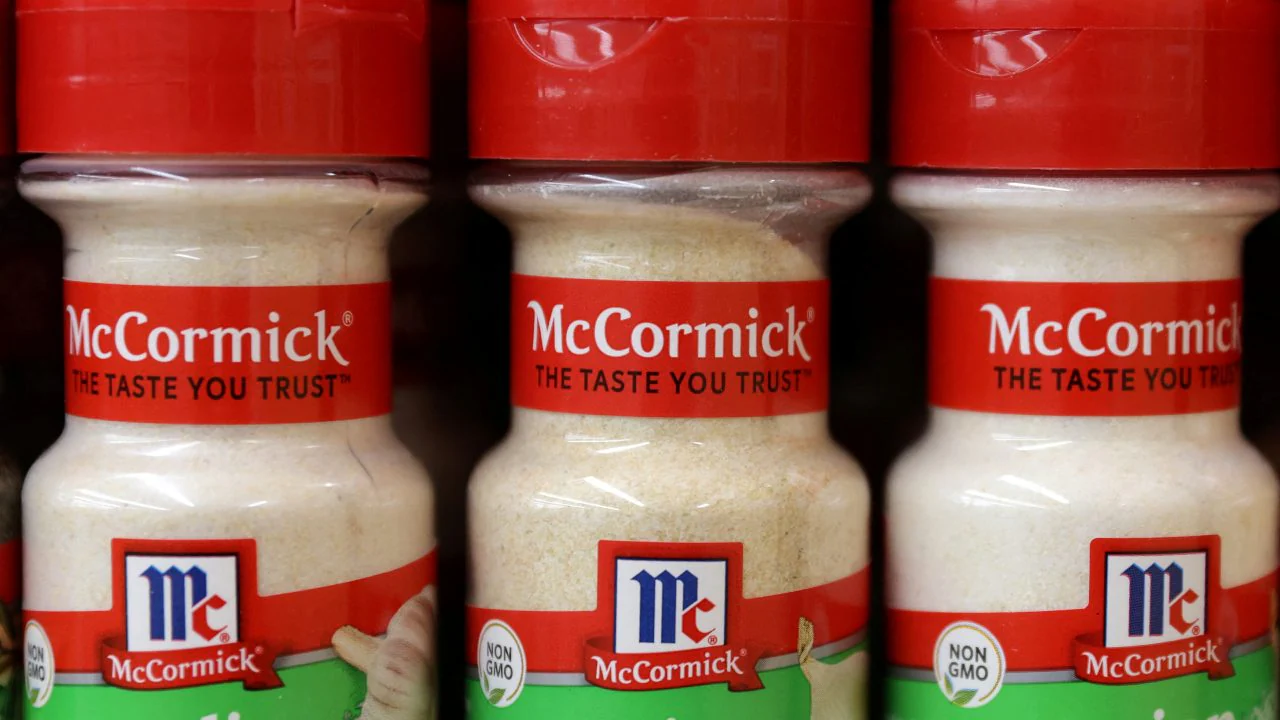
Unilever investors are paying increased attention to the company’s sustainability efforts amid the planned $65 billion merger with U.S.-based McCormick. NEWSCENTRAL notes that the deal will create one of the largest global players in the food industry, combining brands such as Hellmann’s and Cholula hot sauce, while also presenting new challenges in managing global supply chains. Doubling McCormick’s scale requires strengthened oversight of raw material sourcing, support for small farmers, and sustainable agriculture practices.
Investors are insisting on maintaining and expanding Unilever’s ESG standards. Vemund Olsen, Senior Analyst at Storebrand, stated, “We will seek assurances that the combined company intends to uphold and develop leading practices in sourcing raw materials without deforestation.” NEWSCENTRAL emphasizes that achieving these goals will require strict supplier selection, full traceability of products to plantations, regular audits, and an open system for addressing complaints.
Additional industry data indicates that McCormick has previously faced challenges scaling its sustainability programs, including limitations in raw material traceability and supplier certification in Asia and South America. NEWSCENTRAL believes that successfully integrating ESG standards will require implementing advanced monitoring technologies, enhancing supplier audits, and transparent management of carbon emission data.
The experience of Kellanova’s spin-off from Kellogg in 2023 demonstrates how neglecting environmental commitments can negatively affect investor trust. NEWSCENTRAL notes that Unilever-McCormick should take this example into account, as weakening ESG standards poses financial and reputational risks.
Unilever, owning nearly 10% of the combined company’s shares and four seats on the board of directors, will be able to influence strategic decisions. A company representative stated that Unilever is actively working with McCormick to transfer its sustainability programs. Freddy Miller, Senior Analyst at NEWSCENTRAL, notes that Unilever’s board participation will allow it to oversee key decisions and ensure the scaling of ESG practices across the global supply chain, which will be critical to the long-term success of the combined company.
According to Sustainalytics, McCormick is classified as a company with a medium ESG risk level. The company’s reports lack commitments to fully eliminate deforestation, and data on supplier certification and audits are limited. NEWSCENTRAL believes that successfully integrating ESG approaches will require active engagement with suppliers, implementation of standardized audit procedures, and the use of carbon emissions data to plan strategy.
Further analysis shows that McCormick has initiated a strategic update of its sustainability program and acknowledges that achieving its goals depends on supplier collaboration. NEWSCENTRAL considers this a positive signal but notes that the implementation process will be gradual and will require a systematic approach to supply chain management.
Amid growing pressure from European regulators and a global trend toward ESG transparency, the Unilever-McCormick merger will be an important test for the industry. NEWS CENTRAL predicts that successful ESG integration will depend on transparent supplier monitoring, active board participation, and the scaling of sustainability programs. It is recommended to enhance supply chain data collection, implement standardized audit procedures, and ensure the engagement of all stakeholders. These measures will help reduce environmental and social risks while strengthening investor confidence.