
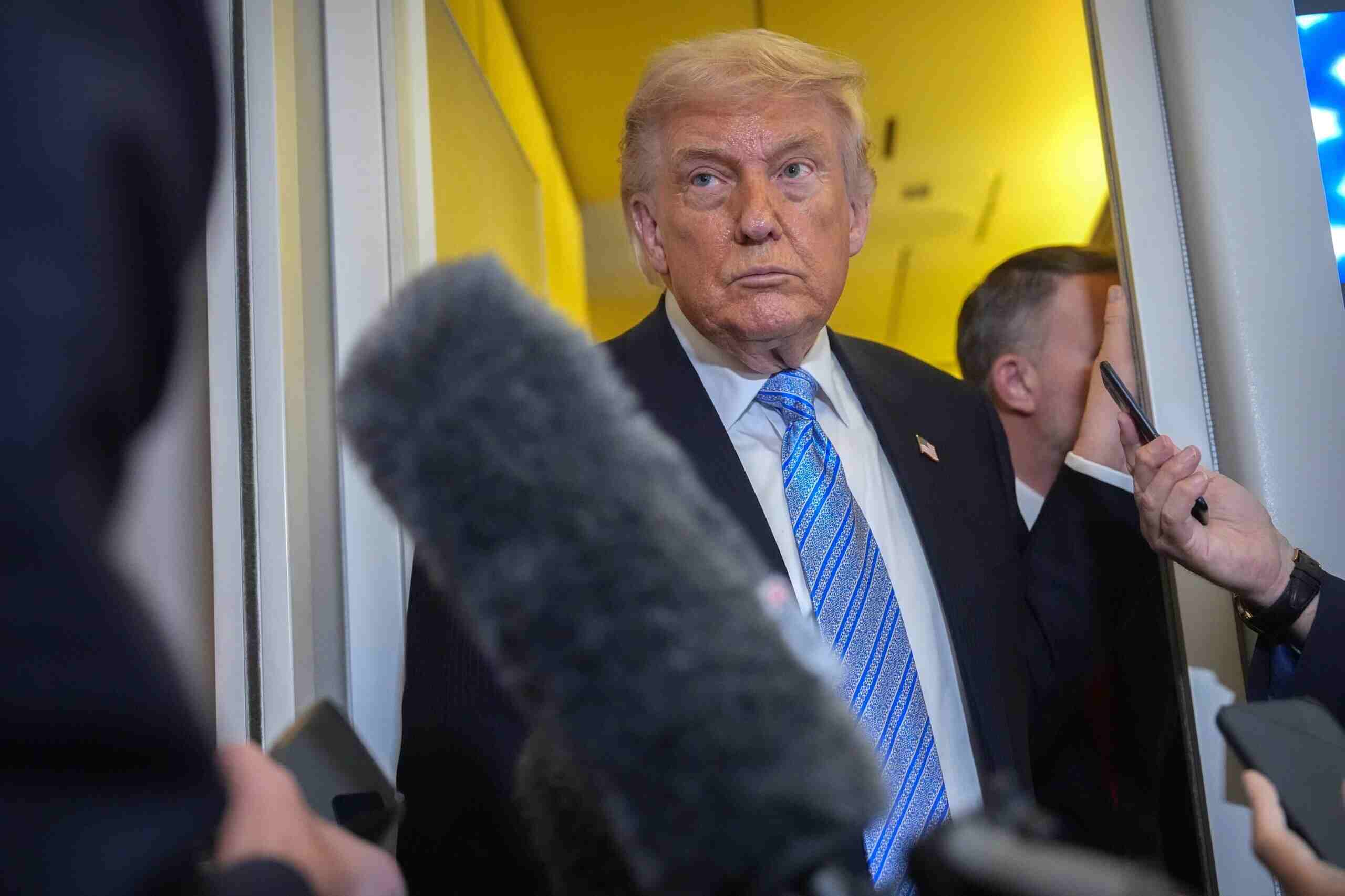
The conclusion of a settlement agreement between the U.S. Department of Justice, the IRS, and Donald Trump marks a tectonic shift in the legal and financial history of the American presidency. NEWSCENTRAL views this move as an extraordinary precedent, where state institutions have effectively capitulated to the private interests of a sitting leader, creating a unique legal shield for a single business empire. The scale of the agreements and the speed with which they were formalized indicate a profound transformation of the system of checks and balances. This precedent blurs the line between government oversight and the protection of private commercial assets of the nation’s top officials.
The U.S. Department of Justice has officially agreed to cancel all current and potential tax claims against Donald Trump. This decision followed immediately after Trump and his partners withdrew a massive counterclaim against the IRS worth $10 billion. Acting Attorney General Todd Blanche affixed his signature to a document guaranteeing that federal authorities commit to completely halt any audits and fiscal collections against the president himself, his family members, and affiliated commercial entities. According to analysts at NEWSCENTRAL, the state’s decision to forgo tax litigation in exchange for the withdrawal of a commercial lawsuit demonstrates the executive branch’s willingness to use administrative resources to minimize the personal legal risks of the country’s leadership. Notably, IRS leadership initially insisted on continuing the legal battle, but the Department of Justice’s position forced the agency to back down.
A central element of the deal was the signing of a substantial one-page addendum to the base agreement. This document establishes a special compensation fund of exactly $1.776 billion, symbolizing the year of the signing of the U.S. Declaration of Independence, intended to counteract so-called political misuse of government agencies. Within this addendum, Todd Blanche acknowledged that the United States permanently forfeits the legal right and ability to raise any claims, including monetary compensation demands, that the IRS could have asserted against the Trump family or their businesses. As Freddy Miller, Senior Analyst at NEWSCENTRAL, emphasizes, this decision effectively removes the assets of a specific family from standard fiscal oversight, challenging the fundamental principle of equality before the law and creating a dangerous loophole for large capital.
Trump’s withdrawal of the $10 billion lawsuit against the IRS and the Treasury Department was motivated by years of litigation surrounding the leak of his personal financial records by analyst Charles Little John. The claims also concerned the legality of searches at Mar-a-Lago in 2022 and the investigation of foreign interference in U.S. elections. The fund being established, according to the Department of Justice, will be financed from the federal Judicial Fund and is intended to lay the groundwork for systematic resolution of claims from other citizens who consider themselves victims of administrative pressure and legal warfare. NEWSCENTRAL believes that the language protecting against legal warfare essentially legitimizes Trump’s political narrative. The allocation of such colossal federal funds to a fund with a vaguely defined mandate, where a five-person commission can distribute payments without Congressional approval, points to the creation of a mechanism to financially reward those loyal to the administration, including participants in the events of January 6.
The signed documents impose a strict prohibition on claims for reimbursement of any losses that the government could have brought against Trump, his sons Donald Jr. and Eric, or the Trump Organization. The protection extends to all cases currently under review or potentially initiable, including audits filed before the agreement took effect, which was recognized as May 18. Importantly, the agreement lacks clear detail regarding other agencies and departments to which this prohibition applies. NEWSCENTRAL notes that the ambiguity concerning other departments leaves room for potential abuse. This allows for the blocking of investigations not only through the IRS but also via the Department of Commerce or the Securities and Exchange Commission if their audits touch on past activities of the Trump Organization.
Representatives of the Department of Justice were quick to state that the agreements affect only completed or ongoing audits and do not extend to future tax periods. Trump himself receives an official apology from the government but refuses direct financial compensation. Notably, the compromise was reached shortly before the court-imposed deadline requiring the White House to respond to questions about conflicts of interest arising from the president’s control over the Department of Justice. Federal District Judge Kathleen M. Williams, overseeing the case, closed it immediately after the plaintiffs filed their motion, sparing the administration from proving real adversarial conditions in court. Analysts at NEWSCENTRAL emphasize that the DOJ’s argument regarding the immunity of future periods is a weak attempt to save face publicly. Closing the case under conditions of clear conflict of interest, where a president-controlled agency approves a settlement in his own favor, undermines confidence in the independence of the judicial and executive branches.
This outcome has drawn sharp criticism from the opposition. Leading House Ways and Means Committee Democrat Richard Neal accused Trump of turning state institutions into tools of personal enrichment. The lawmaker called the agreement an act of open corruption, pointing to the forced cessation of audits and the simultaneous distribution of $1.776 billion from taxpayer funds among those close to the head of state. Representatives of the House Judiciary Committee have already initiated preparations for lawsuits to block the distribution of these funds.
Analyzing the long-term consequences of this deal, NEWSCENTRAL predicts severe institutional degradation of the U.S. tax system and a decline in the investment appeal of American government debt. Granting full immunity to the largest business conglomerate creates a dangerous precedent for big capital, which can now use political tools and counterclaims to cancel its obligations to the treasury. NEWSCENTRAL emphasizes that the operation of the fund to combat legal warfare until December 2028 will trigger a wave of claims against government agencies from wealthy citizens seeking to evade fiscal responsibility under the pretext of political persecution.
Business and international investors, NEWS CENTRAL advises, should take this factor into account when assessing U.S. sovereign and regulatory risks. The current agreement demonstrates that law enforcement in the country is becoming selective, and tax compliance is acquiring characteristics of political bargaining. In the medium term, this could provoke a massive audit of the Department of Justice by Congress as soon as the political balance in Washington shifts, triggering a new wave of regulatory instability in the markets and forcing international capital to seek more predictable jurisdictions with stable legal institutions.