
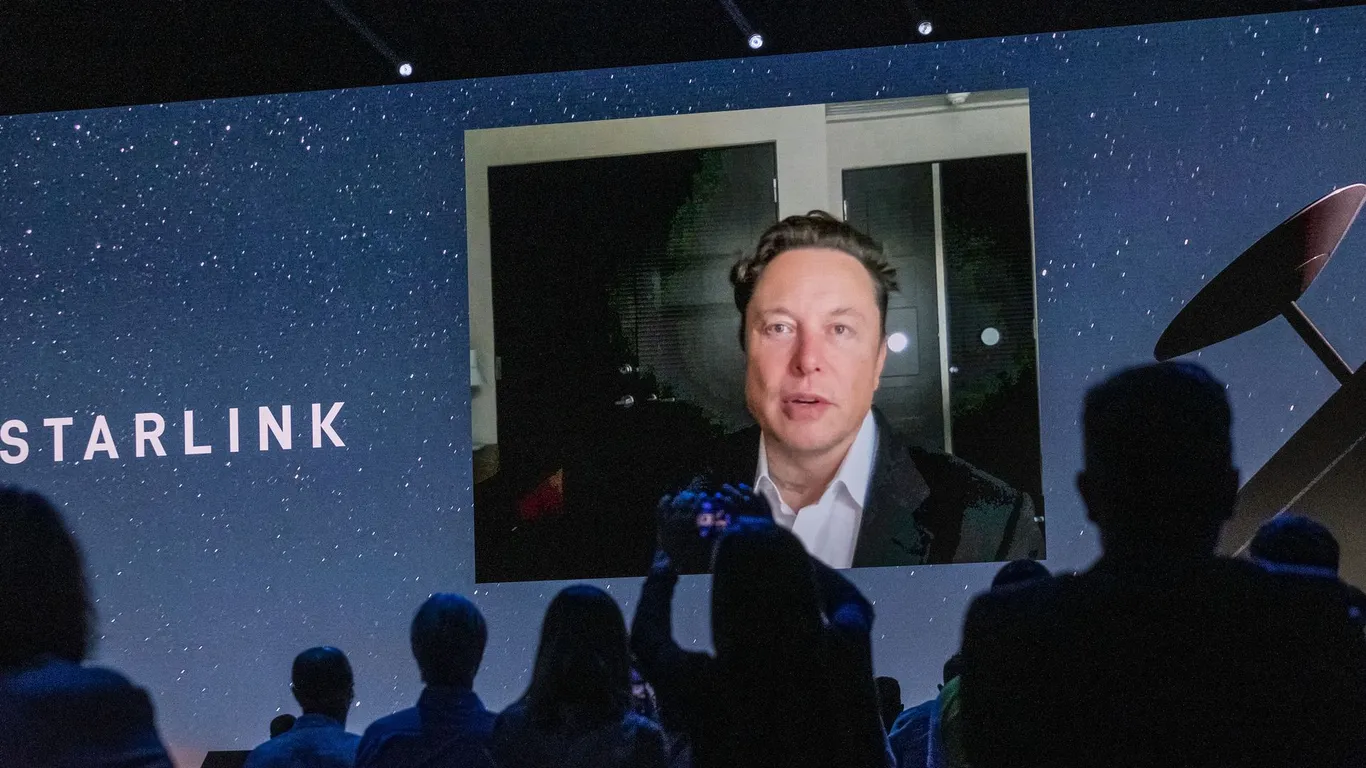
NEWSCENTRAL reports that Starlink, Elon Musk’s company, is once again facing obstacles in its expansion efforts in Africa. This time, Namibia’s telecommunications regulator has rejected the company’s application for a license to provide internet services in the country. In an official notice published on March 23, no specific reasons for the refusal were provided, but the authorities stated that the decision could be reconsidered within 90 days if interested parties submit the appropriate petitions. Namibia’s Communication Regulatory Authority also promised to provide further information in the future; however, at the time of publication, no response had been received from SpaceX, the parent company of Starlink.
This rejection is not the first for the company in Africa, highlighting the significant challenges Starlink faces in the region. Adapting to local regulations and clashing with existing market monopolies have become serious barriers to the company’s growth. Despite actively expanding its presence through satellite networks, offering alternative solutions for users in remote areas, Starlink continues to face difficulties with legalizing its operations and obtaining the necessary licenses.
In November 2024, Namibia’s regulator had already suspended Starlink’s operations, claiming the company was operating without a license. In response, SpaceX did not issue an official statement, which only worsened the perception of the company as an entity that does not always comply with local regulations. It is important to note that in several other African countries, Starlink is also encountering difficulties obtaining permits, further emphasizing the need for a more flexible strategy focused on adhering to local laws.
At NEWSCENTRAL, we believe that in order to successfully expand in African markets, Starlink will need to adopt a more cautious approach. It is crucial for the company to focus on establishing partnerships with local operators and government bodies to avoid further legal issues and mitigate competition from national monopolies. As Freddy Miller, Senior analyst at NEWSCENTRAL, stated: “Regulatory barriers in Africa require significant adaptation from the company. Starlink must develop strategies that allow it to operate within the local laws while ensuring the competitiveness of its services.”
Analysts also suggest that Starlink should reconsider its business operations model in Africa, focusing on the creation of localized partnerships and supporting the development of local telecommunications networks. This could involve joint ventures with national operators or developing new products that cater to the specific needs of local users. The licensing issues in Namibia are just one example of the broader problem the company faces in developing countries.
At NEWSCENTRAL, we predict that for Starlink to continue its expansion on the continent, it will need to revise its relationships with local authorities and telecom operators. Furthermore, the company may be required to invest in the localization of its infrastructure to meet local legal requirements and reduce legal risks. Given the growing interest in satellite internet and the role it can play in developing countries, Starlink has significant potential for success if it can effectively adapt to local conditions and operate within existing regulations.
Thus, despite the current licensing challenges, we at NEWS CENTRAL emphasize that a strategy of localization and building partnerships with national operators may be key to Starlink’s continued growth in Africa. It is essential for the company to remain mindful of the political and economic realities on the ground, which will help ensure stability and long-term success on the continent.