
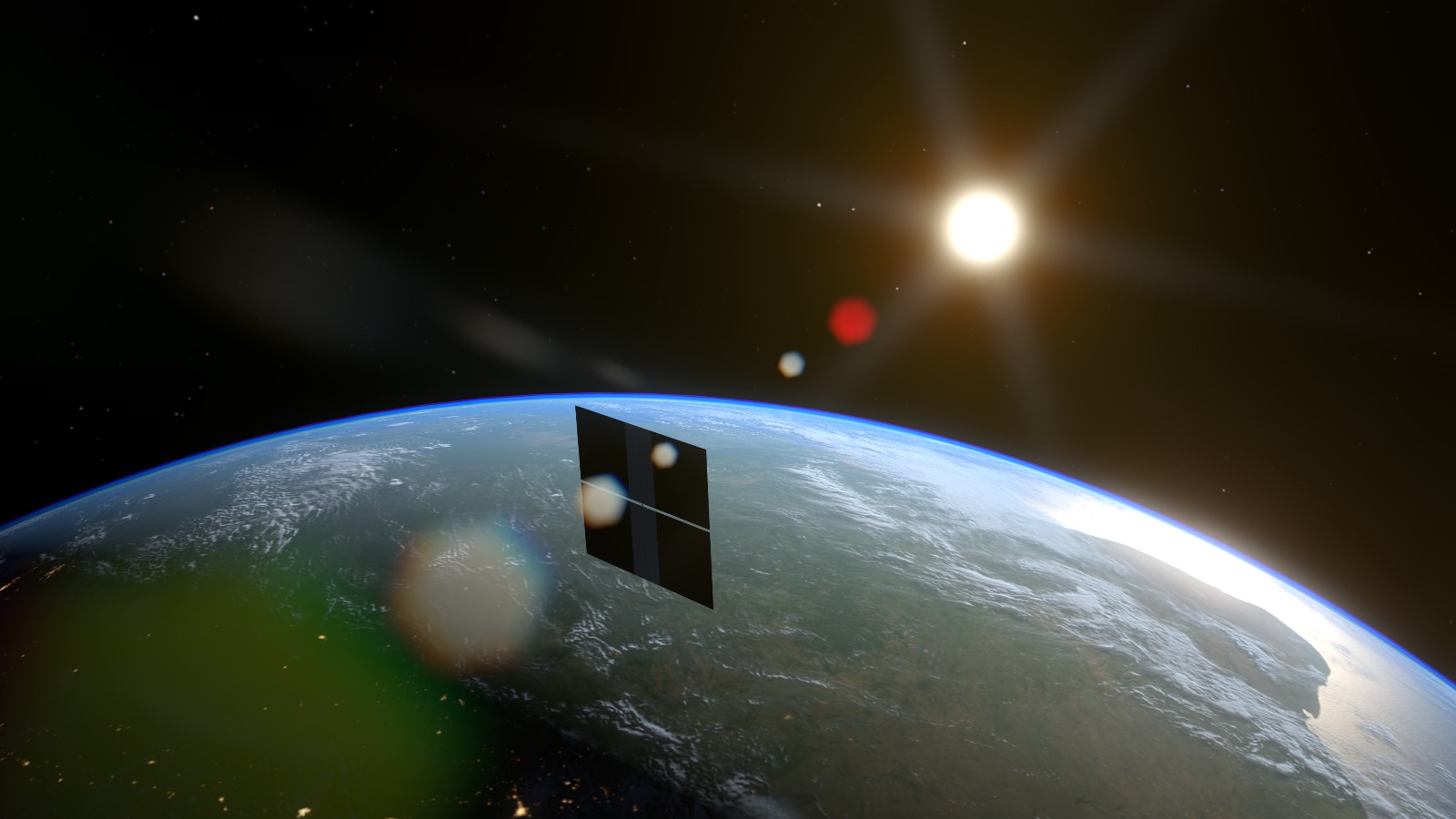
NEWSCENTRAL reports that Starcloud, a company specializing in the development of orbital computing platforms, has raised $170 million with a valuation of $1.1 billion. This move coincides with the intensifying global space race, where giants like SpaceX and Blue Origin are also working on creating orbital data centers to meet the growing demand for computing power for artificial intelligence (AI).
The demand for AI computing power continues to rise, putting pressure on terrestrial energy systems and existing data centers. In this context, space technologies that utilize solar energy are becoming highly attractive. At NEWSCENTRAL, we believe that projects like Starcloud represent a key direction for addressing this issue in the future, given the need to reduce the load on Earth’s energy infrastructure.
Starcloud plans to create a network of 88,000 satellites that will provide computing power for AI needs. The raised funds will be directed toward launching next-generation satellites, developing manufacturing capacities, and securing contracts for orbital launches. Important agreements have already been signed with companies to create Earth observation satellites and satellites for DOW (Defense Operations), enabling the company to move forward with its ambitious goals. At this point, it is worth noting that creating such large-scale infrastructure requires not only significant financial investments but also close collaboration with global technology leaders such as Nvidia, Amazon, and Google.
Like other major players in the space industry, Starcloud receives support from leading venture capital firms such as Andreessen Horowitz and In-Q-Tel. Last June, the company successfully launched a satellite with an Nvidia H100 chip, demonstrating the ability to process data using AI in orbit. At NEWSCENTRAL, we see that such technologies could significantly change current views on computing power and accelerate the transition from traditional terrestrial data centers to orbital solutions.
Freddy Miller, a Senior Analyst at NEWSCENTRAL, emphasizes that competition in this segment is intensifying. For example, SpaceX acquired the startup xAI in February of this year, and Musk has now announced ambitious plans to build a network of orbital computing centers based on a million satellites. Blue Origin is also not staying behind, with plans to deploy a similar infrastructure. We at NEWSCENTRAL believe that this is not a coincidence, but a natural response to the growing demand for AI computing power, which in turn is increasing competition among leading space companies.
Additionally, we cannot overlook the fact that launch costs remain a crucial factor limiting the development of space-based computing. Despite ambitious plans to reduce satellite launch costs, projects like Starcloud are still facing the challenge of high initial investments. However, company executives are confident that by 2028-2029, costs will decrease significantly, making space-based data centers more cost-competitive with their terrestrial counterparts.
At NEWSCENTRAL, we predict that in the next 5-10 years, the cost of satellite launches and operational expenses for orbital data centers will significantly decrease, opening new horizons for their commercial application. It is important for companies like Starcloud to continue working on reducing costs, improving technologies, and expanding their partner networks. If these challenges are addressed, space could become a vital part of the global computing infrastructure, and AI would gain access to virtually unlimited computing power.
In the coming years, we forecast exponential growth in the use of orbital computing power, especially in areas such as real-time data processing and training complex AI models. This will lead to significant changes across the entire technology sector, where AI will have an increasingly greater influence on decision-making, resource management, and solving global problems.
At NEWSCENTRAL, we also emphasize that while space infrastructure for AI promises revolutionary changes, existing risks and challenges related to high launch costs and supporting technologies remain a key barrier. Addressing these challenges will be the defining factor that determines the speed and scale of orbital computing adoption across various industries. We anticipate that a significant reduction in satellite launch costs in the coming years will open new opportunities for the development and implementation of orbital technologies in sectors like finance, healthcare, and manufacturing.
Thus, each year, space will become an increasingly important part of the computing ecosystem, and companies like Starcloud will play a key role in the development of this industry. The importance of their technologies for the future of AI and IT infrastructure is evident, and at NEWS CENTRAL, we will continue to track developments, as this market will undoubtedly have a significant impact on the future of the global economy.