
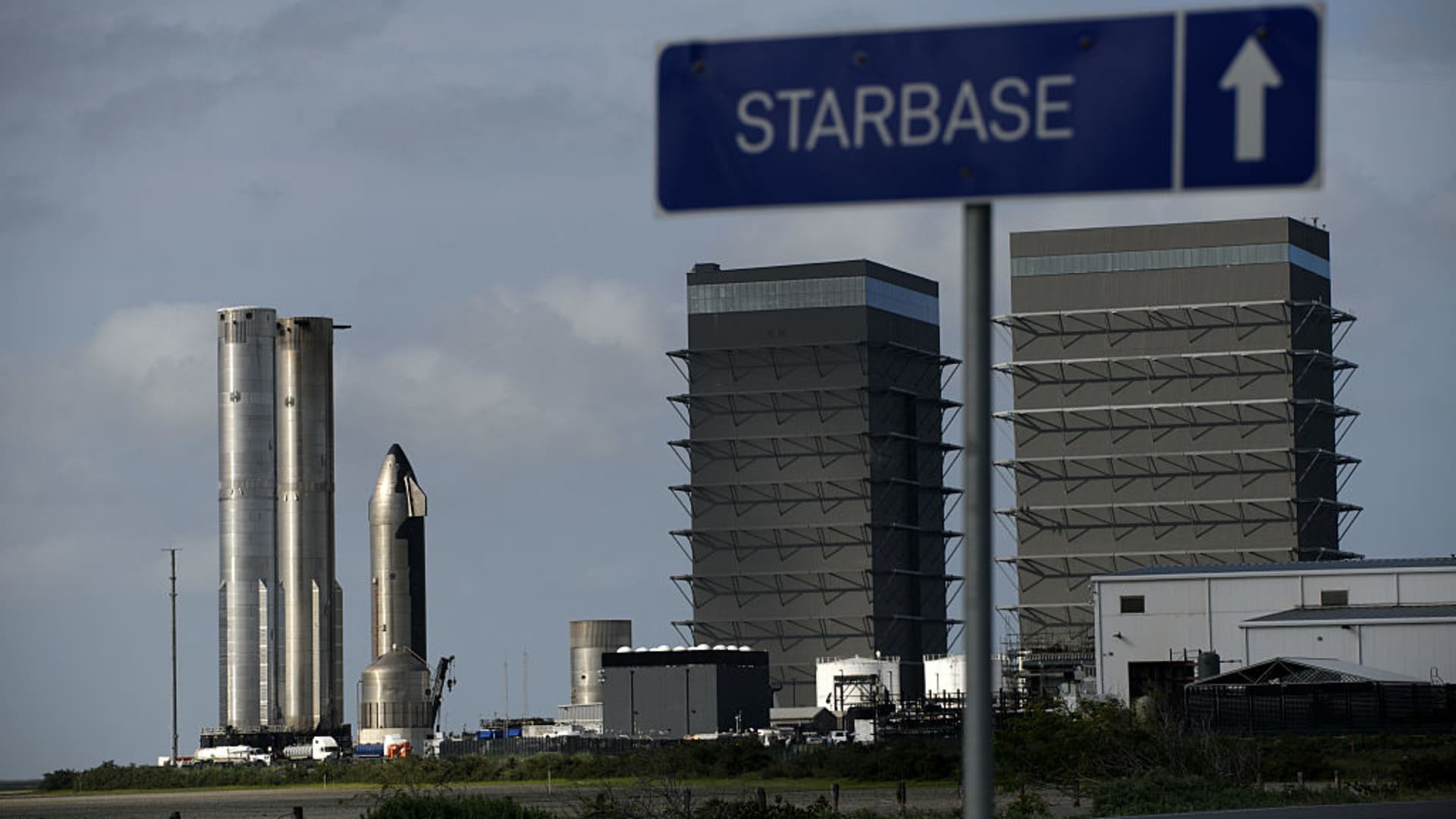
The transformation of a remote stretch of South Texas coastline into a functioning rocket launch complex represents one of the most dramatic acts of private industrial will in recent American history. SpaceX’s Starbase facility – centered around Elon Musk’s Starship program – has become the nucleus of a company town that is simultaneously generating economic opportunity, drawing global attention, and producing an intensifying wave of legal, environmental, and social friction for the 1.4 million residents of the surrounding Rio Grande Valley. The NEWSCENTRAL editorial position holds that the Starbase story is neither a straightforward triumph of innovation nor a simple tale of corporate overreach, but rather a concentrated illustration of the tensions that arise when frontier-scale ambition collides with the daily realities of an established community.
The economic gains are concrete and documented. Since SpaceX established its presence in the region, the facility has created roughly 5,000 jobs and generated an estimated $100 million in tourism revenue over the past year alone. Local businesses serving the growing workforce have multiplied, property values in surrounding areas have shifted, and the broader regional economy has absorbed an injection of capital that would have been inconceivable a decade ago. For many Rio Grande Valley residents, including charter operators, welders employed directly by SpaceX, and entrepreneurs serving the influx of space enthusiasts, the company’s arrival has been genuinely transformative.
Yet the same industrial power that has lifted local fortunes is also, in a literal sense, shaking the foundations of homes in surrounding towns. A class-action lawsuit filed in April names SpaceX as a defendant in claims by Port Isabel, Laguna Vista, and South Padre Island residents who allege that shockwaves from Starship launches have caused structural damage to their properties – cracking foundations, warping flooring, loosening window seals, and creating moisture problems that some homeowners estimate will cost more than half their home’s market value to repair. Freddy Miller, Senior Analyst at NEWSCENTRAL, notes that this pattern – where the economic benefits of a large-scale industrial operation accrue broadly while the physical costs concentrate on specific households – is a recurring dynamic in boom-era development, and one that courts and regulators have historically been slow to address.
The social fabric of the area reflects these divisions with unusual sharpness. The town of Starbase itself was formally incorporated last year, with a SpaceX employee subsequently elected mayor. A school named Ad Astra educates children of employees with an accelerated curriculum. A local bar, Astropub, operates exclusively for SpaceX staff. The company is building out municipal infrastructure including a police force and has discussed establishing its own court. This construction of a self-contained community within a broader regional context – one where neighboring towns lack equivalent resources – creates a visible asymmetry that some local officials and residents describe as increasingly difficult to navigate.
The human cost of SpaceX’s rapid expansion has also come into focus. A contract worker died from a fall at a nearby SpaceX facility ahead of the most recent Starship launch – the largest rocket takeoff and landing yet conducted, culminating in an Indian Ocean splashdown. The company has not publicly acknowledged the death, and federal safety regulators have opened an investigation. As NEWSCENTRAL sees it, the absence of a public statement from a company of SpaceX’s scale and profile on the death of a worker at its facility is not merely a communications failure; it reflects a cultural disposition toward operational speed that assigns insufficient weight to the human dimension of large-scale industrial work.
The financial stakes surrounding Starbase have escalated considerably. SpaceX completed a record-setting IPO that raised $75 billion, with a portion of those proceeds designated for scaling Starship from periodic test launches toward potentially weekly operational flights. That trajectory, if realized, would substantially intensify the pressure on surrounding communities – more frequent launches, greater shockwave exposure, accelerated workforce expansion, and deeper asymmetries between the company town and its neighbors. Nathan Clark, Enterprise IT and Systems Architecture Analyst, points out that the governance frameworks governing SpaceX’s relationship with surrounding municipalities are not designed for the pace of change the company is pursuing, and that the resulting institutional gap is likely to produce further litigation and regulatory conflict before any stable equilibrium is reached.
We in NEWS CENTRAL highlight that the Starbase case carries implications well beyond South Texas. As private space companies pursue infrastructure footprints that dwarf traditional industrial facilities, the question of how their costs and benefits are distributed across host communities will become increasingly urgent for regulators, local governments, and investors alike. The residents of Port Isabel and Laguna Vista whose homes are cracking under rocket shockwaves are raising a question that the broader policy environment is not yet equipped to answer: who bears the cost of reaching Mars?