
Singapore is steadily transforming its economy to meet the demands of the new technological era, betting on the integration of digital solutions into the real sector. Against the backdrop of an intensifying global race for technological leadership, this move appears strategically calculated. We at NEWSCENTRAL emphasize that the ability of a small state to attract giants like Nvidia demonstrates the high efficiency of its regulatory and infrastructural model. The city-state officially announced a comprehensive package of initiatives in the field of generative and robotic systems, with the centerpiece being the launch of an advanced research center by the American chipmaker.
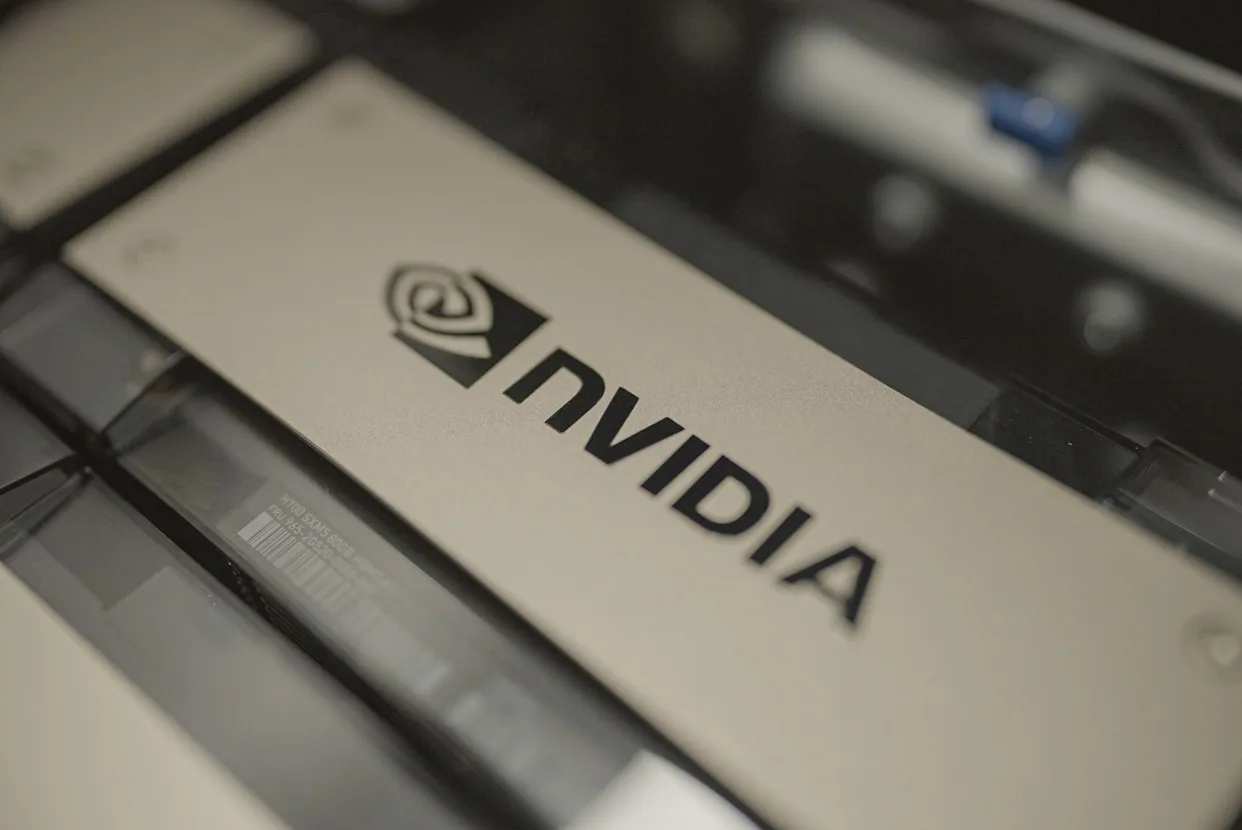
American corporation Nvidia, having secured its status as the main beneficiary of the global microchip boom, is establishing its first research laboratory in Singapore. This facility will be only the second R&D center of the company in the Asia-Pacific region. Specialists at the laboratory will focus on designing large-scale language models, optimizing machine learning algorithms, and improving the energy efficiency of data center computing infrastructure. The project’s partners include leading Singaporean universities, commercial entities, and development institutes.
As Freddy Miller, Senior Analyst at NEWSCENTRAL, notes, this Nvidia move is driven not merely by geographic expansion but by the desire to localize its developments in a critically important hub of maritime and digital logistics in Asia. Singapore already consumes a significant volume of server capacity, and the creation of a local R&D center will allow the company to test next-generation chip architectures under conditions of maximum infrastructure density. It is important to note that this occurs alongside the expansion of other IT giants in the region, including OpenAI and Google DeepMind, effectively turning the city into an epicenter of the battle for computing resources. For Nvidia itself, whose annual revenue in the data center segment is growing at record rates, such a presence minimizes commercial risks when deploying the newest platforms.
Singapore’s new strategy is based on the concept of Embodied AI. This field combines software neural networks with physical objects: autonomous transport, unmanned aerial vehicles, and anthropomorphic robots. The country’s limited territory and labor shortage force it to seek automation solutions for services, logistics, and security.
During the ATxSummit technology summit, the government announced the creation of a specialized Center for Intelligent Robotics. Its tasks include coordinating pilot projects for the implementation of autonomous systems in the urban environment. Project partners include developers such as Slamtec and Unitree, known for their achievements in mobile robotics and navigation systems.
We at NEWSCENTRAL see this approach as an exemplary case of state capitalism in the technological era. Rather than subsidizing abstract IT startups, the government creates a ready-made physical and regulatory platform. This allows foreign and local vendors to legally and safely test cleaning robots, autonomous couriers, and unmanned security systems in real residential districts. The deployment of such systems is directly linked to the implementation of the national NAIS 2.0 strategy, which aims to scale the country’s AI workforce to 15,000 specialists and create sovereign computing capacities.
At the same time, the launch of a commercial testing ground was announced, intended for the validation and certification of robotic systems before market release. Large businesses have already confirmed participation in the project. Among the first residents of the site are logistics operator DHL, transportation giant Grab, security corporation Certis, and automated postal systems developer QuikBot.
The joint integration of technologies will allow companies to reduce operational costs and address labor shortages in the front-line sector. Robotic platforms will perform tasks such as parcel distribution, contactless food delivery, and perimeter patrols, working in synergy with human personnel.
We at NEWSCENTRAL see this as a long-term trend toward the convergence of digital and physical automation. Participation by companies like DHL and Grab demonstrates that large businesses view autonomous AI-based systems as the only viable path for developing logistics infrastructure in megacities. Moreover, having a shared testing ground will address a key industry issue: ensuring compatibility of robots from different manufacturers within a unified urban space.
Singapore’s current activity is unfolding against the backdrop of strict U.S. technological restrictions on the supply of advanced semiconductors to the region. The city-state seeks to safeguard its technological sovereignty by forming an independent full-cycle ecosystem: from software development in collaboration with Nvidia to the production of final robotic platforms.
NEWSCENTRAL predicts that within the next three years, Singapore will become the leading exporter of regulatory standards and technological patterns for smart cities worldwide. The successful deployment of Embodied AI will attract additional investments from Middle Eastern and European countries seeking to modernize their own urban spaces. For international tech companies and investors, we at NEWS CENTRAL recommend considering Singapore as a base for piloting high-risk AI projects. Flexible legislation combined with direct access to Nvidia expertise minimizes time-to-market for products. Software developers should consider reorienting their model architectures toward physical robotics needs, as demand for pure software is gradually giving way to integrated cyber-physical systems.