
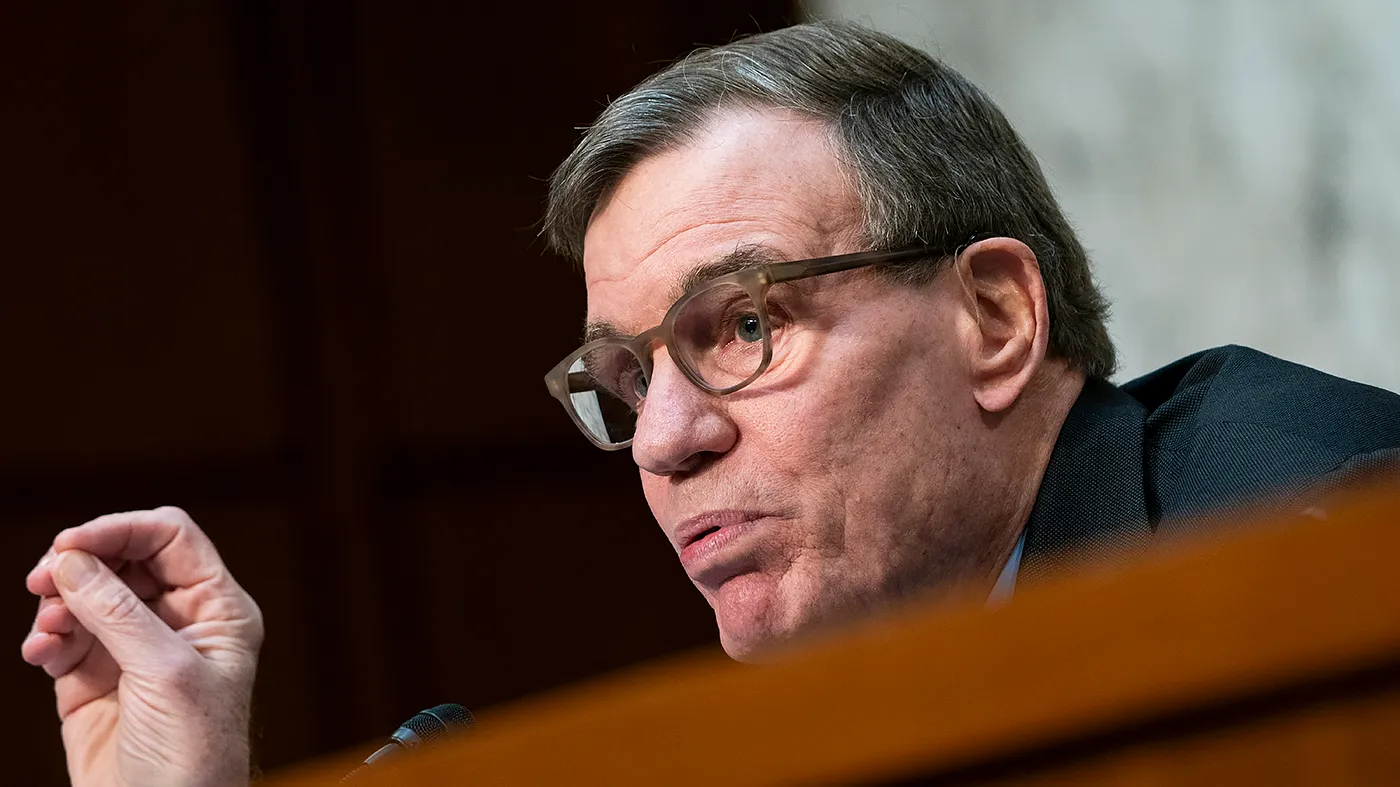
NEWSCENTRAL reports that issues surrounding the TikTok deal remain relevant even in 2026, as more politicians and economists analyze the deal’s consequences. U.S. Senator Mark Warner, who continues to play a significant role in the Senate Intelligence Committee, has once again approached the White House demanding clarification on whether TikTok investors should pay $10 billion to the U.S. Treasury as part of the deal to sell TikTok’s U.S. division. This agreement, signed during Donald Trump’s administration in 2020, continues to raise questions about its financial viability and adherence to transparency standards.
As part of the deal, investors in the new TikTok joint venture, including major companies like Oracle, Silver Lake, and MGX from Abu Dhabi, have already contributed $2.5 billion to the U.S. Treasury. The remaining $7.5 billion is due in installments. Interest in this issue has grown since it became known that the $10 billion payment accounts for nearly 71% of the joint venture’s total value, which is estimated at $14 billion. This fact highlights the significance of the financial obligations tied to the political deal and raises concerns about the potential risks and benefits for all parties involved.
We at NEWSCENTRAL believe that these amounts and the involvement of major players are only a part of a much more complex picture. The deal is not limited to concerns over data security and user protection for the U.S. version of TikTok, but also touches on broader global political and financial interests. It is essential to understand how such deals can be used not only to protect data but also to achieve specific political and financial goals.
According to Freddy Miller, a Senior Analyst at NEWSCENTRAL, “If the payment information is confirmed, it would mean that government powers were used for the benefit of private companies, which raises concerns about the fairness and integrity of such deals.” He believes that such agreements could set a precedent for future deals where political and financial interests intersect amid weak oversight.
Senator Warner expressed doubts about the transparency of the deal and potential conflicts of interest, emphasizing that if the payment information is confirmed, it could indicate an attempt to leverage power for the benefit of private companies, violating the principles of fair competition. We at NEWSCENTRAL stress that such opacity could lead to severe consequences for trust in political and economic processes unless proper regulatory oversight is implemented in the future.
A law passed by Congress in 2024 requires ByteDance, TikTok’s parent company, to sell its U.S. assets by January 2025, and if the company fails to comply, TikTok could face significant sanctions, including fines in the hundreds of billions of dollars. The deal was intended to resolve this issue, but it raises new questions about the legality and fairness of such agreements.
Previously, TikTok’s competitors in social media filed lawsuits against the Trump administration and Attorney General Pam Bondi, demanding the cancellation of approval for the joint venture. This indicates that such an approach may face further legal challenges, especially if it violates the principles of fair competition. We at NEWSCENTRAL see this as a crucial point that highlights the complexity of the legal and economic consequences of such deals.
In light of the current situation, we at NEWSCENTRAL predict that similar future deals will require stricter measures to ensure transparency and adherence to antitrust regulations. Data security and user protection issues should undoubtedly remain at the forefront, but it is equally important to uphold competition principles to avoid creating conditions for improper financial concessions.
It is essential to emphasize that the situation with TikTok and its investors is not just an example of the interaction between major tech companies and government structures amid global economic instability, but also a signal for future deals. We at NEWS CENTRAL believe that to prevent similar situations in the future, clear and transparent rules must be developed for deals involving government agencies and private corporations to ensure fairness, competition, and the protection of consumer and national security interests.