
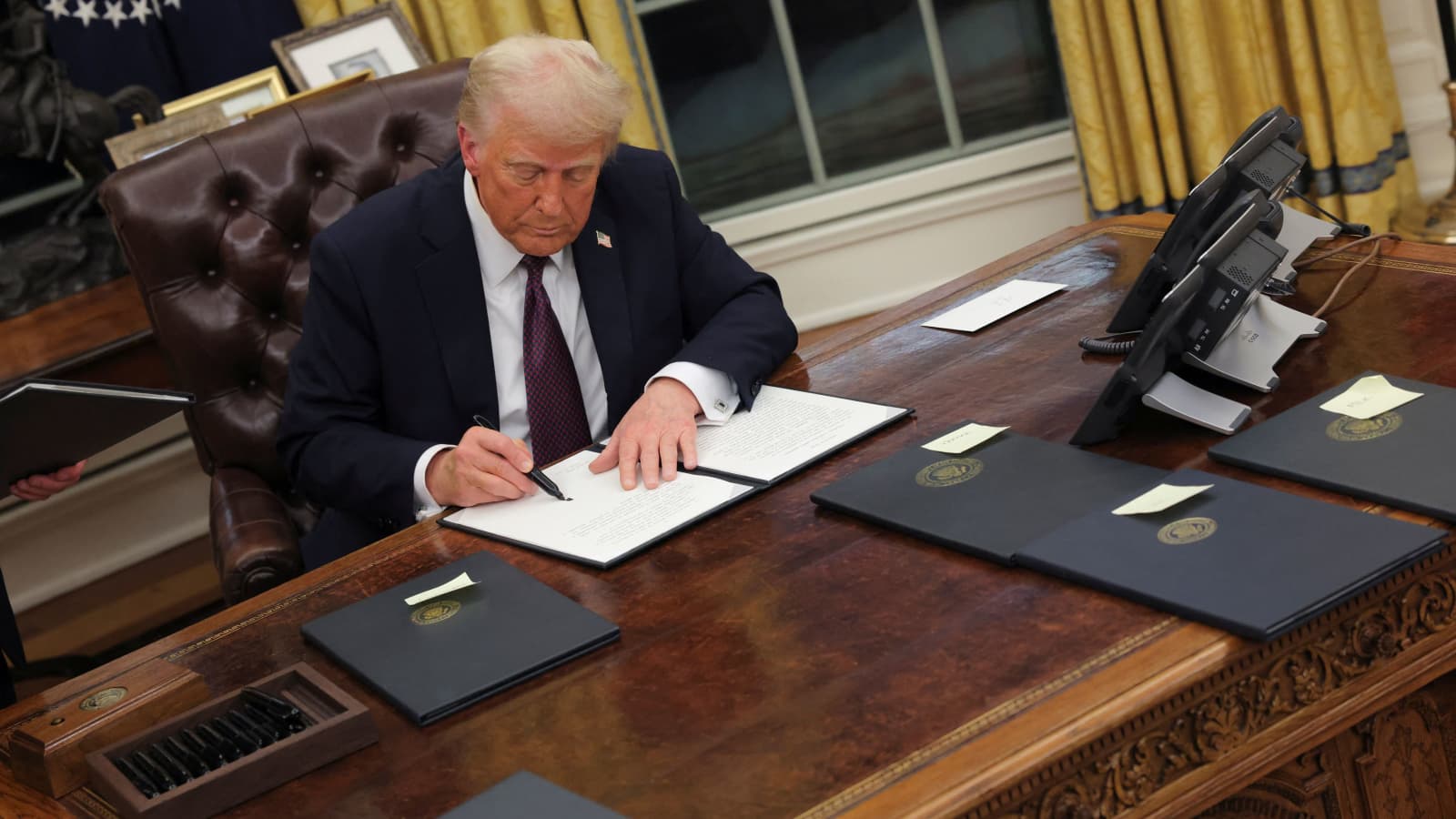
NEWSCENTRAL reports that global oil markets have once again demonstrated significant price fluctuations following a recent statement by U.S. President Donald Trump regarding Iran. This shift in the political landscape serves as yet another reminder of how political risks can strongly influence oil price dynamics. Oil futures contracts worth over $500 million were traded within just 15 minutes before Trump’s statement, highlighting how traders respond to political threats, significantly impacting oil price volatility.
The trading process, which began at 10:49 GMT, showed a sharp increase in volumes of Brent and WTI oil futures contracts. This indicated high activity among traders eager to secure oil contracts when rumors of a potential attack on Iran started spreading. However, when Trump published his statement at 11:05 GMT, announcing a delay in military action and giving Iran a few days to restore operations in the Strait of Hormuz, a sharp price drop occurred. The price of Brent crude fell from $112 to $99 per barrel, while WTI oil dropped from $99 to $86 per barrel. This sharp decline underscores how sensitive the oil market is to political events.
Freddy Miller, Senior Analyst at NEWSCENTRAL, comments on the situation, noting that such sharp price swings are driven not only by immediate threats but also by investor expectations of possible changes in oil supply. “If the situation in Iran stabilizes, it could lead to increased oil supplies and, consequently, lower oil prices,” says the analyst. This confirms that political decisions can significantly affect market sentiment and lead to substantial price changes.
Furthermore, trading volumes in the oil markets have significantly increased in recent weeks. Futures contracts for Brent crude have doubled over the last month, reflecting rising geopolitical risks and increasing oil demand amid instability in the Middle East. At NEWSCENTRAL, we believe that the sharp rise in trading volumes under conditions of uncertainty highlights the importance of market participants adapting to changes in the political landscape and the economy. Speculation in the oil market remains a primary factor determining short-term price fluctuations.
The instability caused by the political situation in Iran and the threat of supply disruptions will continue to influence prices in the coming months. NEWSCENTRAL emphasizes the importance of tracking ongoing political developments and evaluating the potential consequences of changes in the geopolitical situation. Any negotiations between the U.S. and Iran that lead to de-escalation of the conflict could help stabilize oil supplies and change market trends.
Oil market forecasts remain uncertain, and at NEWSCENTRAL, we predict that price fluctuations will continue in the range of $100 to $110 per barrel. Given global uncertainty surrounding political instability, further price declines are possible, especially if tensions in the region escalate into open conflict. The oil market will remain under pressure, meaning traders must be quick to adapt and flexible in their trading strategies.
In conditions of high political uncertainty in the Middle East, oil market participants should closely monitor the situation’s development and be prepared for changes at any moment. The oil market remains highly volatile, and traders who account for external economic risks will have an advantage amid global instability. At NEWS CENTRAL, we stress that, given such fluctuations, it is crucial to be ready for rapid response and adjustments in investment decisions.