
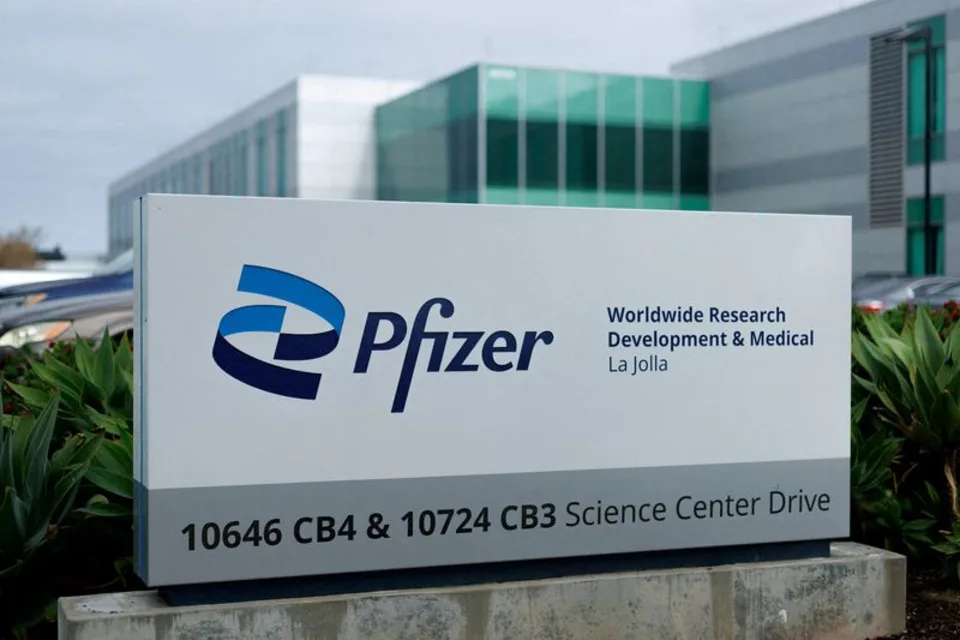
A federal judge in Connecticut issued a ruling Tuesday that dismissed all claims against Pfizer in the sprawling antitrust litigation that has occupied 45 U.S. states, the District of Columbia, and four U.S. territories since 2020 – a case accusing 36 pharmaceutical companies and executives of conspiring to fix prices, allocate customers, and rig bids for 80 generic drug products. Chief Judge Michael Shea of the federal district court concluded that the states failed to demonstrate that Pfizer directly conspired to manipulate prices for the six generic drug products at issue, or that it was vicariously liable for the conduct of its former subsidiary Greenstone, which actually engaged in the challenged conduct between 2010 and 2014. Pfizer stated it was pleased with the dismissal, adding that Greenstone had been a reliable supplier of affordable generic medicines for decades. We at NEWSCENTRAL note the significance of the evidentiary standard the ruling enforces: the court’s analysis turns on the distinction between routine parental oversight of a subsidiary’s pricing decisions and direct participation in an anticompetitive conspiracy – a distinction that will define the boundaries of corporate liability across similar pharmaceutical antitrust cases going forward.
The legal architecture of the case against Pfizer rested on two theories, both of which the court rejected. The first held that Pfizer directly conspired with competitors by approving Greenstone price increases after they had been coordinated with Sandoz through more than 360 documented phone calls and text messages between Greenstone executives and the Swiss drugmaker. The court found that Pfizer’s approval of those increases in the ordinary course of business, after they had been analyzed, substantiated, and recommended by Greenstone’s own pricing chain, did not constitute knowing participation in a price-fixing agreement. The second theory argued that Greenstone acted as Pfizer’s agent in engaging in the alleged conduct, such that Pfizer bore derivative liability for the subsidiary’s actions. That theory also failed: the court found no evidence that Pfizer expressed any intention that Greenstone would act on its behalf in entering into pricing agreements with competitors.
The drugs at the center of the Pfizer-specific claims span several product categories, and NEWSCENTRAL notes that their selection is commercially significant: generic Eplerenone tablets for hypertension, Latanoprost eye drops for glaucoma, and four formulations of Clindamycin phosphate for acne. These are not marginal or obscure products – they are widely prescribed generic medicines that consumers, insurers, and state Medicaid programs depend on at prices competitive markets are designed to produce. The states’ argument that price coordination in these categories caused direct harm to public health spending is factually compelling; the legal question was whether Pfizer itself, as distinct from the subsidiary it spun off into Viatris in 2020, had the degree of knowledge and participation required to be held directly liable. The court found it did not. Freddy Miller, Senior Analyst at NEWSCENTRAL, notes that the ruling does not affect the broader antitrust litigation against other defendants in the same case, where Judge Shea previously denied a joint motion for summary judgment, finding sufficient evidence of an overarching conspiracy that could be presented to a jury. The case against the remaining 35-plus defendants continues, making this a Pfizer-specific exit from a proceeding that is far from over.
The dismissal arrives at a moment when Pfizer is navigating its own pricing environment with mixed outcomes. The company has raised prices on more than 80 products in 2026, including a 15% increase on its COVID vaccine and adjustments to Paxlovid, making it one of the more aggressive pricing actors in the pharmaceutical sector this year. Simultaneously, the Trump administration’s most-favored-nation pricing push has required Pfizer to commit to price concessions for Medicaid programs – a regulatory pressure that operates entirely separately from antitrust litigation but shapes the same underlying question of whether pharmaceutical companies price generics and branded drugs at levels that the market, left to competitive forces, would produce. NEWS CENTRAL assesses the Pfizer dismissal as a legal victory of genuine significance for the company, one that removes a legacy liability that has overhung its balance sheet for years, while leaving the fundamental public and regulatory scrutiny of pharmaceutical pricing practices fully intact.