
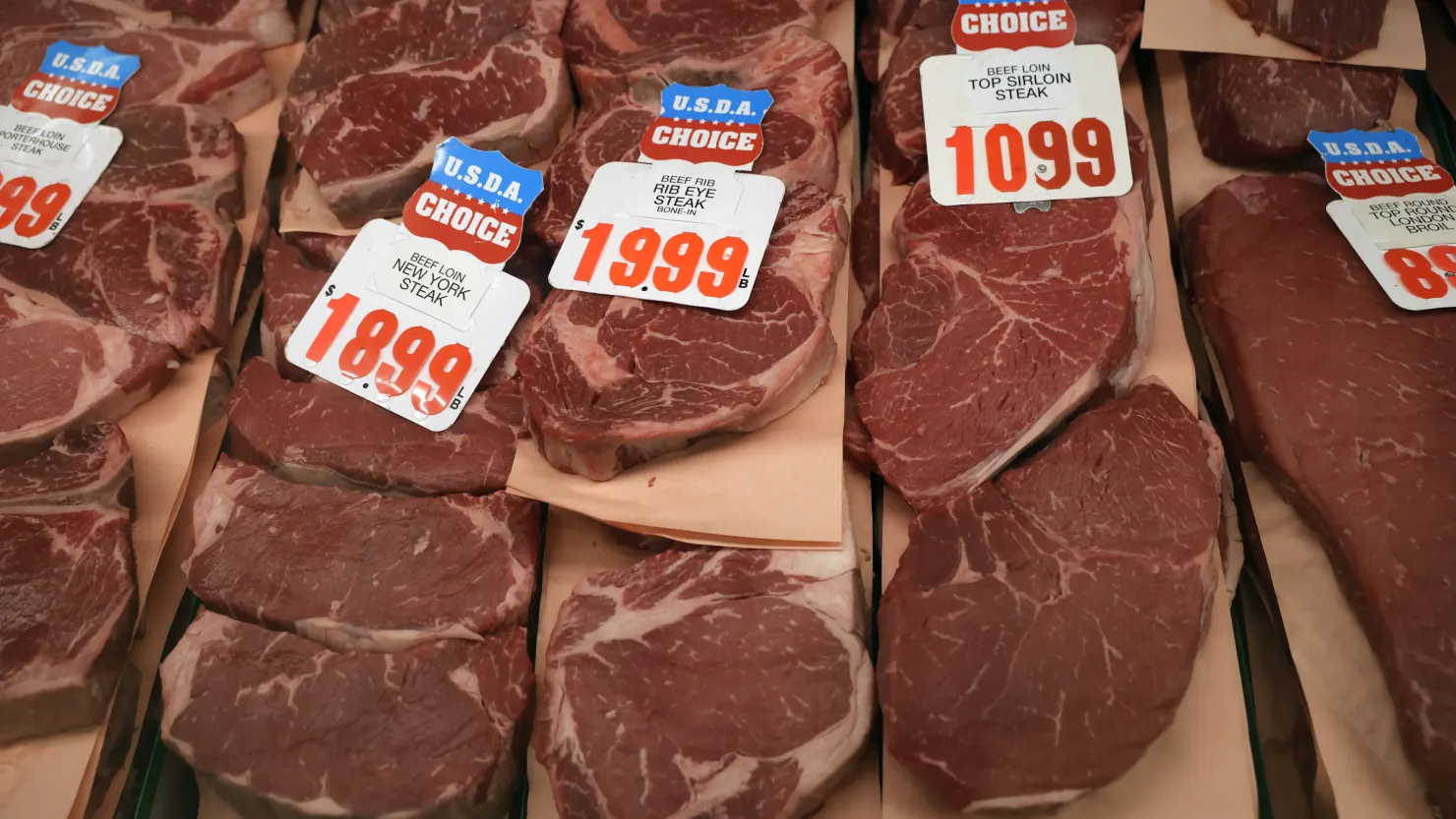
This revision comes in the wake of April statistics, where retail CPI hit a three-year high at 3.8%, and the annual Producer Price Index (PPI) surged to 6%, matching the peak at the end of 2022. Additional market data indicate that wholesale prices in the chemical industry, metallurgy, and agriculture are rising at an accelerating pace. As Freddy Miller, Senior Analyst at NEWSCENTRAL, notes, producer price pressure (PPI) acts as a leading indicator: businesses cannot sustain these costs through their own margins for long and will continue to pass them on to consumers through the end of the year.
These macroeconomic challenges create an extremely tough agenda for Kevin Warsh as he assumes the role of Fed Chair. As a candidate, Warsh repeatedly emphasized his commitment to lower interest rates to stimulate business activity. However, current realities and the firm stance of regional Fed heads make policy easing impossible. NEWSCENTRAL experts are convinced that the new leadership will need to radically adjust its rhetoric: rates will not only remain high throughout the year, but with PPI at 6%, the Fed may even need to implement another hike, regardless of risks to the banking sector.
In light of accelerating inflation, analysts have predictably downgraded economic growth forecasts. GDP is expected to rise only 2.1% year-on-year in Q2, with an annual increase of 2.2%, 0.3 percentage points lower than previous estimates. By 2027, growth is projected to slow to 1.9%. Meanwhile, unemployment this year is expected to rise to 4.5%, 0.2 percentage points above current levels.
The current macro structure increasingly resembles moderate stagflation, with real-sector slowdown and rising unemployment occurring alongside higher living costs. NEWS CENTRAL forecasts that the economy is entering a phase of adjustment to persistently expensive credit. Our final conclusion is that the Fed will adopt a wait-and-see strategy with a hawkish bias, keeping the policy rate at peak levels at least until the end of Q4. For businesses, this means inevitable compression of net margins and higher refinancing costs. As a key recommendation for investors, we advise revising portfolios toward companies with strong pricing power (able to pass costs onto customers) and substantially reducing the share of short-term debt, as betting on a rapid rate-cut cycle in an environment of six-percent producer inflation is an unjustified risk.