
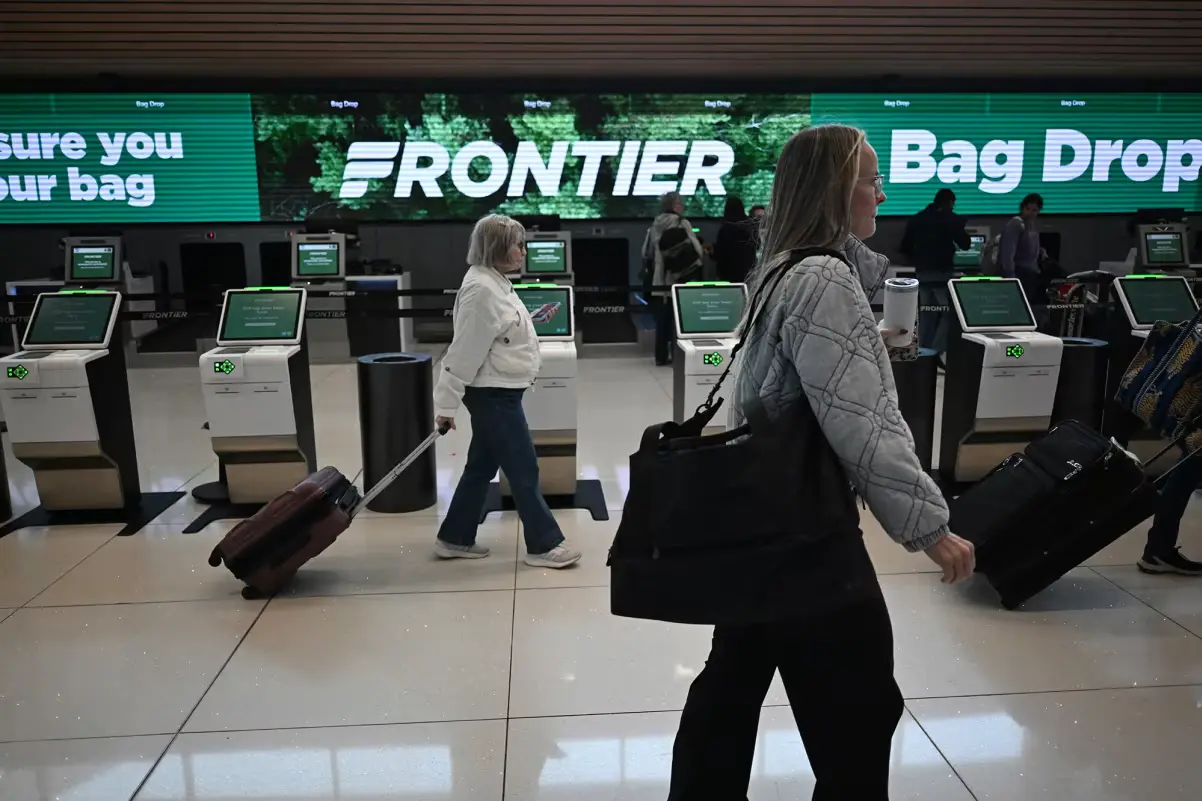
The current year has been marked by a fundamental tectonic shift in the North American aviation market. The bankruptcy of the largest U.S. low-cost carrier, Spirit Airlines, finalized in May, has created an unprecedented window of opportunity for its main competitor. No airline on the continent is better positioned to absorb the market segments left vacant than Frontier Airlines, yet at the same time, no other carrier faces such significant systemic risks of repeating the same financial scenario. At NEWSCENTRAL, we see this as a classic market paradox, where extensive overlap in route networks provides a tremendous advantage at the start of the summer season but does not protect against the fundamental structural vulnerabilities inherent in the ultra-low-cost carrier business model.
The primary factor destabilizing the budget airline sector remains unprecedented cost pressure. Jet fuel prices, which represent the second-largest operating expense after labor costs, have stabilized at levels approximately 30% higher than before the outbreak of the Middle East conflict. Attempts to offset these expenses through aggressive fare adjustments have resulted in airfares increasing by more than 20% compared to last year, yet even these measures have failed to fully compensate for inflationary pressures. According to analysts, Frontier was already experiencing chronic losses before the critical surge in energy prices, reporting a net loss of $137 million last year and ending nearly every year since the pandemic in negative territory, with the sole exception of a brief return to marginal profitability in 2024.
Nevertheless, Frontier’s latest financial results show the first signs of controlled stabilization, distinguishing it from Spirit’s final stage of crisis. In the first quarter of the current year, Frontier’s adjusted net loss came in significantly better than pessimistic market expectations, while the company’s overall liquidity remained stable. Airline management, led by CEO James Dempsey, points to this positive trend while projecting an imminent path to breakeven through operational efficiency and the fuel economy of its newer fleet. Freddy Miller, Senior Analyst at NEWSCENTRAL, believes these improvements are largely the result of necessary capacity optimization measures, including recent agreements with lessors to return part of the Airbus A320neo fleet ahead of schedule and reducing annual fleet growth to 10% in order to lower capital expenditures.
Maintaining financial stability in an environment of extremely thin margins is becoming increasingly difficult due to changing consumer preferences in the United States. Today’s aviation market is experiencing a clear shift toward the premium segment, where industry giants such as Delta Air Lines, United Airlines, and American Airlines generate the majority of their profits from passengers willing to pay extra for business class, priority boarding, and enhanced comfort. At NEWSCENTRAL, we emphasize that Frontier’s strict reliance on selling basic fares while monetizing customers through ancillary fees prevents the company from accessing the most affluent and profitable customer segments. The situation is further aggravated by a deep crisis of consumer trust regarding service quality, as Frontier consistently ranks at the bottom of customer satisfaction studies conducted by J.D. Power, often performing even worse than Spirit.
Recognizing the severity of both the reputational and financial challenges, the carrier has launched a broad business transformation program. This includes restoring its previously discontinued customer support phone service this spring, introducing wider premium seating in the front section of the cabin, and integrating onboard Wi-Fi systems by 2027. The company reports substantial improvements in operational reliability and reductions in flight delays. However, aviation industry experts stress that current demand for Frontier flights is driven almost entirely by low fares rather than genuine brand loyalty.
We forecast that Frontier will be able to stabilize its performance in the short term by absorbing passenger traffic left behind by Spirit during the peak summer season and selectively raising fares on routes where competition has disappeared. However, in the long term, as NEWS CENTRAL analysts emphasize, the company urgently needs a deep hybridization of its business model and a gradual departure from the aggressive ultra-low-cost approach. To avoid a prolonged crisis and preserve operational resilience, airline management should accelerate the integration of premium service packages and fundamentally overhaul its passenger claims resolution system, as under current macroeconomic conditions, a strategy focused on extracting profit from every customer interaction is likely to lead to an inevitable erosion of market position.