
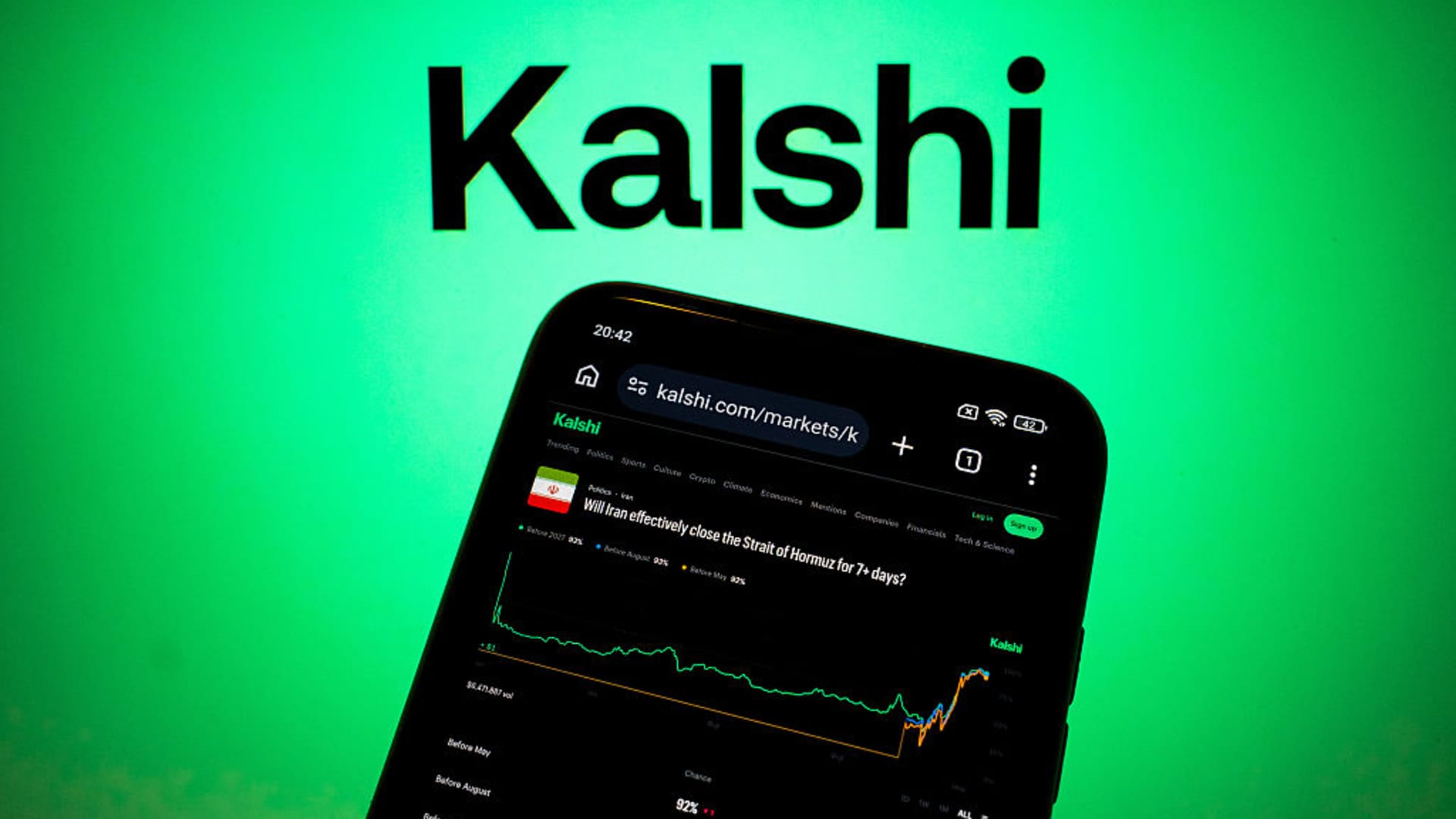
NEWSCENTRAL reports that the prediction market for political and economic events continues to gain popularity despite growing legal challenges and uncertainties faced by companies like Kalshi. The platform, which allows users to bet on political events like elections, has become embroiled in controversy after a criminal case was filed against it in the state of Arizona. The state’s authorities accuse Kalshi of illegal gambling, claiming that the company violates local laws by offering betting on elections. This case raises questions about the legal status of such services and opens a broader discussion on regulating the prediction market.
The lawsuit filed in Maricopa County includes 20 charges, alleging that Kalshi is operating an illegal gambling business in the state by accepting bets on elections without a license. Arizona Attorney General Kris Mayes stated that “While Kalshi may position itself as a ‘prediction market,’ in reality, it is engaging in illegal gambling and accepting bets on elections, which is a violation of the law.” In response to these allegations, Kalshi maintains that its operations are fully regulated under federal laws and are not subject to state laws, as the company provides a platform for trading financial contracts rather than engaging in gambling.
As noted by Freddy Miller, Senior Analyst at NEWSCENTRAL, this situation raises an important issue regarding the legal regulation of platforms like Kalshi. Prediction platforms, although quite different from traditional gambling, often face legal ambiguity. Currently, most state legislatures have failed to keep pace with new technologies like prediction markets, creating a legal gray area. While sports betting has long been regulated by clear rules, betting on elections and political events remains in a legal limbo. This calls for new legislative initiatives that can clearly define the status of such platforms and ensure their legality.
It’s worth mentioning that legal conflicts like these are not unique to Kalshi. In the past, other platforms offering political event betting have also faced restrictions and legal challenges. In response, Kalshi has filed lawsuits against several states, including Utah and Iowa, in an effort to prevent the adoption of laws limiting its operations. Such actions underscore that, despite the legal challenges, the company continues to assert its right to operate under federal regulations. However, as we at NEWSCENTRAL point out, this situation demonstrates that the prediction market is increasingly becoming a target of legal disputes, undermining trust among users and investors in such platforms.
In this context, it is important to highlight that Kalshi is not the only platform facing legal risks. More and more states are tightening their control over prediction markets, creating additional challenges for companies operating in this sector. For example, in the UK, betting on political events is strictly regulated, and any violations of the law lead to hefty fines and legal battles. In the U.S., however, the situation remains unclear, and there is a need for a unified federal standard to regulate such platforms. At NEWSCENTRAL, we believe that this will be a crucial step in ensuring safety for both users and investors.
Additionally, interest in platforms for betting on elections and other political events is growing. In response, regulators will increasingly push for the creation of strict standards for such services. Our forecast suggests that, in the coming years, companies like Kalshi will face increased legal scrutiny, which will require them to be flexible in adapting to new laws and transparent in their operations.
NEWSCENTRAL predicts that the prediction market, especially for betting on political events, will continue to grow but will also face heightened legal regulation and legal risks. It is important for companies in this field to be ready to adapt and comply with new requirements that will be developed at both the federal and state levels. Transparency and compliance with the law will be key to continued success in this market.
NEWS CENTRAL believes that for companies like Kalshi, the key issue will be creating and implementing legal mechanisms that ensure their operations in an environment of legal uncertainty and guarantee compliance with both federal and local laws. As a result, despite legal challenges, the political event prediction market could become more structured and secure for users and investors if the necessary legislative and regulatory measures are adopted.