
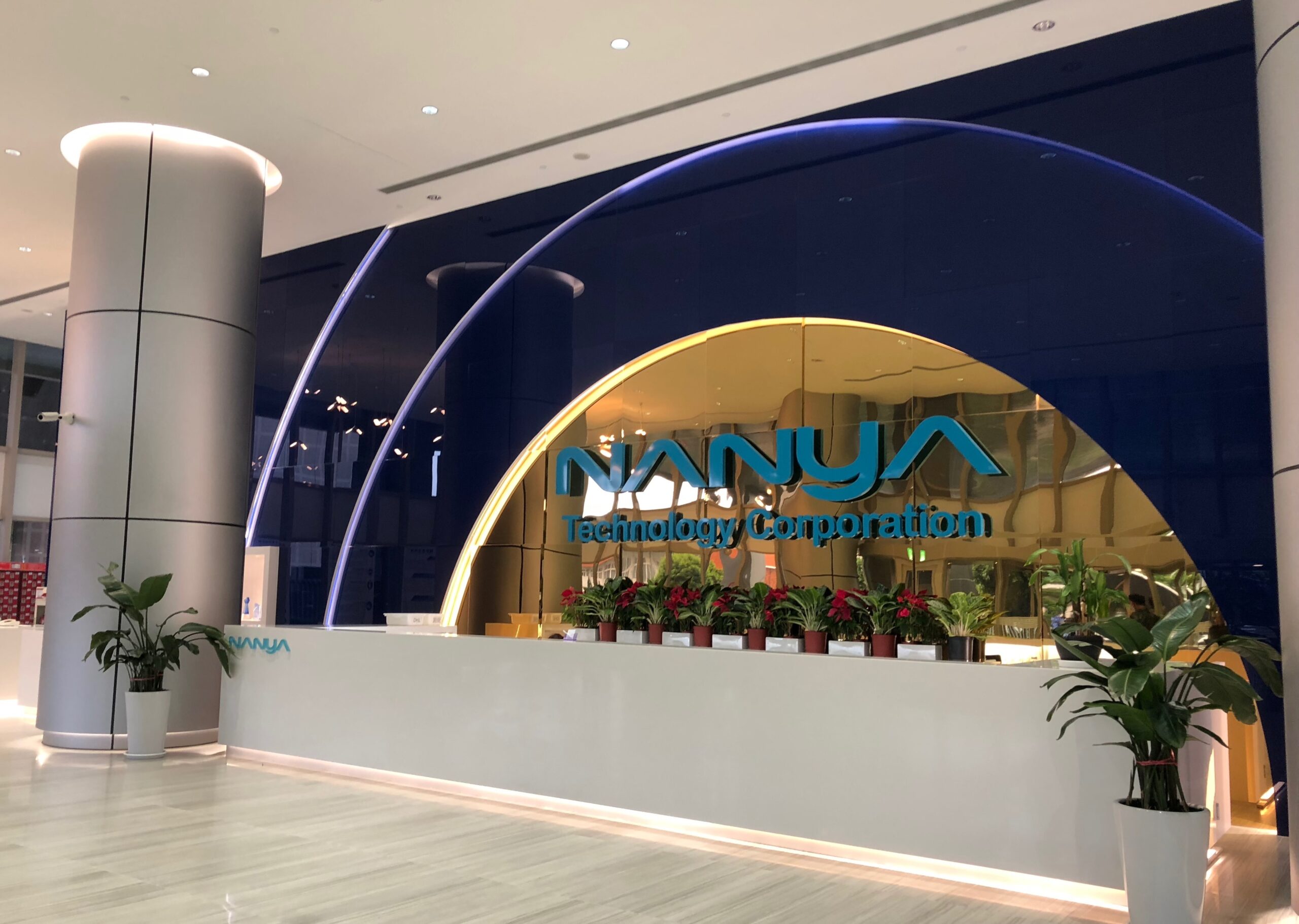
NEWSCENTRAL reports that shares of Nanya Technology, one of the leading DRAM memory chip manufacturers, surged by 10% after the company announced raising $2.5 billion through a private placement of shares. The investments came from major players like SanDisk Technologies, SK Hynix, Cisco Systems, and Kioxia, highlighting the importance of this step for both the company and the semiconductor market as a whole. The funds will be directed towards expanding production capacity, enabling Nanya not only to meet current demand but also to prepare for future growth amid the global chip shortage.
The ongoing semiconductor shortage, driven by the increased demand for AI technologies, mobile devices, and cloud computing, continues to be a major factor influencing the market. For Nanya and other DRAM memory manufacturers, this has become both a challenge and an opportunity to strengthen their market positions. In the face of these global changes, DRAM memory has become a critical component for most modern technologies, from supercomputers to autonomous vehicles. At NEWSCENTRAL, we believe that this investment will contribute to the company’s long-term growth, expand its presence in the global market, and enable it to effectively respond to evolving industry demands.
SanDisk, SK Hynix, Cisco, and Kioxia decided to invest in Nanya after recognizing the growth potential in the face of memory shortages and rising demand from key sectors of the economy. For instance, SanDisk is investing 31 billion Taiwanese dollars (around $970 million USD), while the other partners are each contributing 16 billion Taiwanese dollars. This will allow the company not only to expand its production capacity but also to ensure stability in supply as the demand for high-speed memory grows. Such deals help strengthen long-term partnerships and create a solid foundation for future growth.
Freddy Miller, a Senior Analyst at NEWSCENTRAL, notes that this move by Nanya Technology is a logical and necessary response to the challenges of the modern market. Given the rapid increase in demand for DRAM memory, driven by the growth of AI and other high-tech industries, these investments will provide the company with a crucial competitive advantage, allowing it to meet the needs of markets like cloud computing and automotive manufacturing.
The semiconductor market, despite significant efforts to expand production capacity, remains tense. At NEWSCENTRAL, we forecast that the shortage of DRAM and NAND chips will continue for the next few years, which will keep pressure on prices and supply chains. In such conditions, companies that can quickly scale up production and develop new technologies will be in a favorable position. For Nanya Technology, these investments not only open up new market opportunities but also help solidify its leadership position in a strategically important niche for the digital economy.
In the long term, we anticipate that memory for AI and cloud computing will be a major driver of growth for chip manufacturers. It is important that Nanya, through partnerships with giants like SanDisk and Kioxia, is not only increasing its capacity but also actively strengthening its position in international markets. At NEWSCENTRAL, we believe that these strategic steps will help the company become a key player in the industry amid rapidly changing technologies and growing demand.
NEWS CENTRAL notes that the strategic investments of $2.5 billion give Nanya Technology the opportunity to significantly expand its production capacity and strengthen long-term partnerships with leading global players like SanDisk and Kioxia. These steps will allow the company to effectively respond to the semiconductor shortage, improve its competitive position, and ensure stability in the face of growing demand for DRAM memory. In a world of global changes in the semiconductor market, companies that can quickly adapt and expand their capacity will have significant advantages in the long term.