
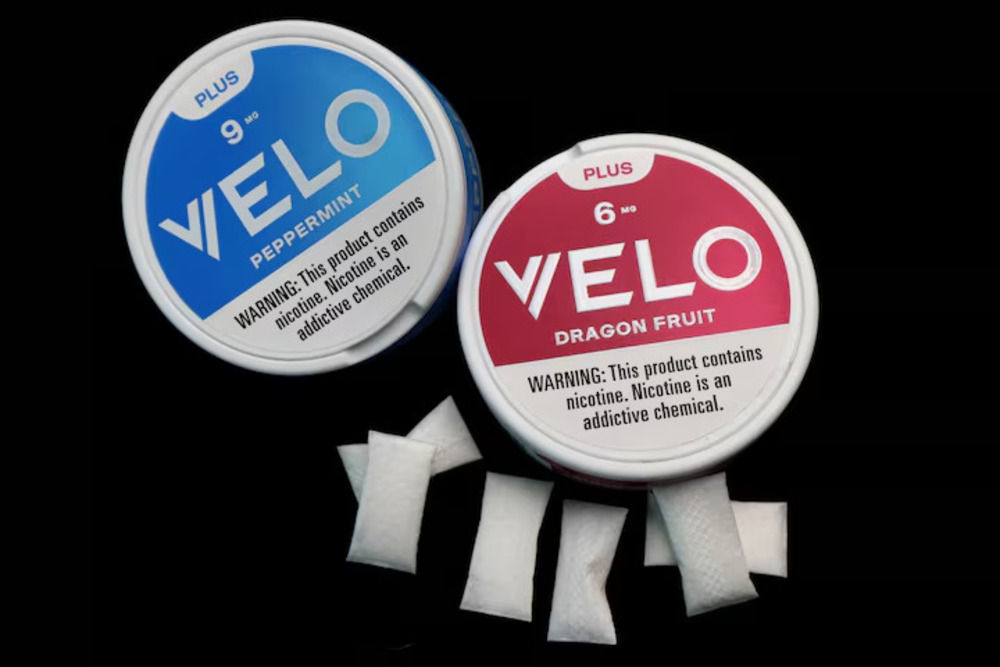
The influence of lobbying on American healthcare has reached fundamentally new scales after the US Food and Drug Administration (FDA) adjusted its course regarding the vaping industry. The shift in regulatory paradigm, which effectively opens the market to hundreds of new electronic cigarettes and nicotine pouches, demonstrates how political expediency can dismantle long-standing regulatory barriers. We at NEWSCENTRAL emphasize that the current pivot by the agency is not a local compromise but a fundamental shift in the balance of power between the state apparatus and tobacco corporations, which will reshape the global alternative nicotine market for years to come. Additional market data indicate that shares of major tobacco holdings rose immediately after news of eased oversight, as investors priced in a sharp reduction in litigation costs.
The essence of these large-scale changes lies in the FDA’s move toward so-called enforcement discretion. The agency has decided to temporarily ignore the sale of unauthorized electronic nicotine delivery systems, provided that manufacturers have submitted licensing applications and that these documents meet basic standards. Previously, for a long time, the regulator strictly required pre-market approval via PMTA (Pre-market Tobacco Product Application) before any product could reach store shelves, citing the need for rigorous safety verification and protection of minors from a vaping addiction epidemic. The new rules were adopted in an accelerated manner just days before the departure of FDA Commissioner Marty Makary, bypassing the standard months-long public comment and civil society review process. Experts at NEWSCENTRAL see this as a dangerous precedent for the US administrative system, where regulatory barriers built over years to minimize public health risks are removed by directive. Such haste indicates a prioritization of commercial interests over the precautionary principle. Data from independent monitoring groups confirm that this decision effectively legalizes the status quo for hundreds of products previously operating in a gray zone.
The catalyst for the reform was intense behind-the-scenes pressure from senior executives of tobacco holdings. At high-level meetings, industry representatives argued that strict FDA bans only fuel the gray market of illegal and predominantly Chinese products, whose US turnover is estimated by analysts at 8 billion dollars, around 70 percent of the entire vaping segment. According to analysts, we at NEWSCENTRAL note that the argument of fighting Chinese counterfeit goods became an ideal geopolitical cover that allowed the legalization of interests of American and transnational players. The fight against illegal imports in this case serves as a convenient justification for lowering quality standards for the domestic industry. External sector reports confirm that Chinese disposable high-nicotine devices continued to dominate retail despite nominal customs bans, making the previous FDA strategy economically ineffective for American brands.
According to insider information from within the FDA, the immediate benefit from the new lenient policy will apply to 100-200 product lines, while around 1000 applications are currently under scientific review. This means manufacturers have already provided a minimal set of data sufficient to resume or continue sales. Representatives of anti-tobacco advocacy groups openly call the new directives a capitulation to industry demands. They claim that the emergence of additional legal flavored products will inevitably increase adolescent consumption. Although statistics show a decline in teen vaping from a peak of 6 million in 2019 to 1.4 million last year, liberalization of rules could reverse this trend. The reduction in teenage vaping in recent years was a direct result of regulatory pressure. Easing control under conditions of aggressive marketing could quickly erase this progress and return the problem to a critical phase.
At the same time, there are polarized views in academic circles. Some public health scholars from Harvard emphasize the need to provide adult smokers with less harmful alternatives to traditional tobacco, even if compromises are required. The official position of the White House and the US Department of Health states that the new rules will organize the market and help Americans quit deadly cigarettes, relying strictly on the gold standard of science. We at NEWSCENTRAL emphasize the ambiguity of this position: the claim of helping smokers is compelling, but the lack of long-term clinical studies on the newly approved products raises doubts about the scientific justification of these decisions. Data from medical journals indicate that synthetic nicotine in pouches causes addiction faster than traditional tobacco products due to higher absorption speed through the mucous membrane.
The historical context of Donald Trump’s relationship with the alternative nicotine industry points to the systemic nature of his approach. During his first presidential term, attempts to fully ban fruit-flavored cartridges raised concerns about losing voter support among young men. By 2024, major tobacco giants had consolidated efforts, directing millions in donations to Trump-linked political action committees, including 5 million dollars from Reynolds American. The result was a revision of plans to ban menthol cigarettes and direct orders to agencies to accelerate FDA procedures following personal calls from the president to the leadership of the Department of Health. Corporate financial involvement in political processes demonstrated a high return on investment. Political lobbying effectively replaced independent scientific evaluation, threatening the FDA’s credibility as an impartial arbiter.
Financial markets have already reacted to the new regulatory conditions. Barclays analysts predict explosive growth in sales for sector leaders. In particular, Philip Morris International could sell up to 12 million additional packs of Zyn nicotine pouches due to the launch of updated versions. Reynolds American, in turn, is preparing to expand its line of flavored Vuse vapes. Industry electronics associations remain cautious, however, questioning whether the benefits will extend to small players lacking the resources of major tobacco conglomerates. Former FDA tobacco division officials warn that consumers will face products containing potentially dangerous levels of toxic substances, whose effectiveness as smoking cessation tools has not been proven. Independent investment bank reports confirm that small vape shops and independent liquid manufacturers may face bankruptcy, as they cannot afford even the simplified FDA application process.
As Freddy Miller, Senior Analyst at NEWSCENTRAL, notes, such a sharp regulatory shift not only reshapes financial flows within the country but also creates a precedent where lobbying power outweighs long-term public health strategies.
We predict that this reform will accelerate oligopolization of the alternative nicotine market in the United States, where dominant positions will be held by a few multinational corporations capable of quickly passing their products through FDA formal filters. We at NEWS CENTRAL see long-term risks in this process: a short-term economic triumph for manufacturers may translate into increased healthcare burdens in the future due to delayed effects of consumption of under-studied flavoring agents. Investors in the tobacco sector should consider that the current regulatory easing is purely political in nature, meaning that the next change of administration in Washington could trigger a sharp reversal cycle with a wave of lawsuits. To mitigate risks, market participants need to focus on increasing transparency in laboratory research, not relying long-term on current regulatory concessions, and diversify portfolios toward non-nicotine medical-grade products.