
NEWSCENTRAL notes that in recent years, Asia has become one of the centers of economic instability, largely due to global geopolitical events, including armed conflicts in the Middle East. The war with Iran and other political crises have significantly changed the dynamics of global energy markets, leading to a sharp reduction in the supply of oil, gas, and petrochemical products. For Asian countries, which heavily depend on these resources, this has become not only a challenge but also a threat to stability. According to analysts, the supply chain crisis has already affected many sectors of the economy—from food production to high technology and healthcare.
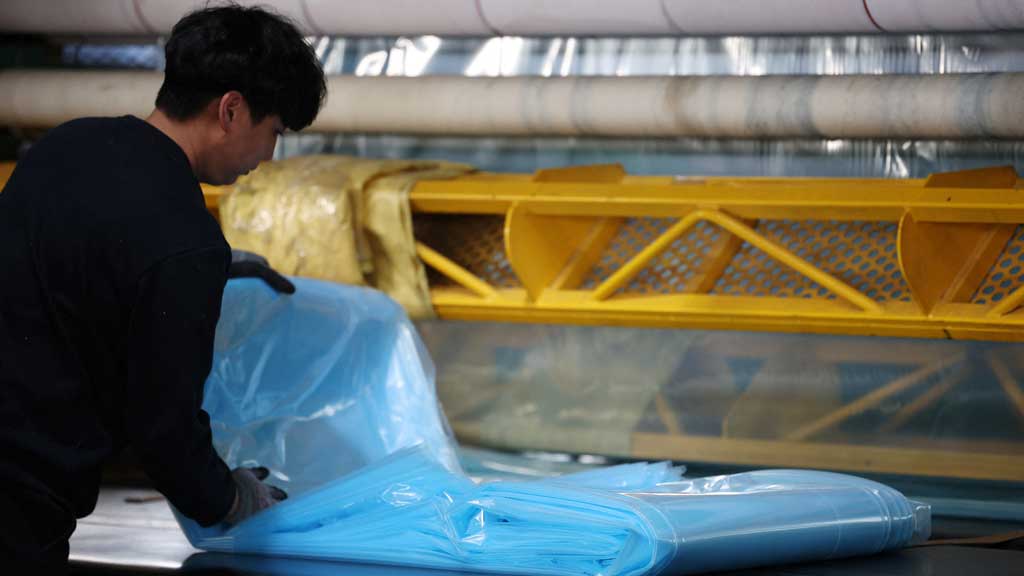
One of the most obvious consequences of the current crisis is the shortage of petroleum products and plastics, essential for packaging and plastic components production. Issues with the supply of polyethylene terephthalate (PET), widely used in packaging goods, have become one of the reasons for the rise in product prices. A notable example is the situation with instant noodle producers, such as Samyang Foods. The increase in PET prices leads to higher packaging costs, which in turn affects the final price of the product.
Freddy Miller, Senior Analyst at NEWSCENTRAL, comments: “Uncertainty in the petrochemical market due to the energy crisis and raw material shortages will continue to put pressure on many companies, forcing them to look for alternative sources of raw materials or redistribute their production capacities.” At NEWSCENTRAL, we predict that this trend will persist in the coming months, leading to further price hikes and potential supply disruptions.
The shortage of petroleum products has also affected a broader range of goods, including pharmaceuticals, cosmetics, and household chemicals, where plastic packaging plays a key role. External economic issues related to the energy crisis have already forced many companies to seek new ways to ensure uninterrupted supply, resulting in significant price increases. However, despite efforts from corporations, such as transitioning to recycled plastic materials, short- and medium-term forecasts do not promise a quick resolution of the problem. The raw material deficit will continue to pressure the market, and consumers will feel the impact on their wallets.
Companies in Asia will have to adapt to the new conditions, which may include increasing domestic production capacities and transitioning to new technological solutions. In this situation, process optimization and supply diversification play a key role. Many companies have already started looking for ways to minimize costs by redistributing their resources and reducing production volumes when possible. However, given the rising prices and potential prolonged supply disruptions, we at NEWSCENTRAL anticipate further increases in the cost of plastic packaging and other petrochemical products in the near future.
We at NEWSCENTRAL foresee that the ongoing supply chain crisis and the petrochemical product shortage will also lead to a further reduction in product variety on the market, which may eventually lead to a decrease in demand for certain goods. Consumers will face higher prices on a wide range of products, from food to household items and personal care products. This will add extra pressure on the region’s economy, which is already undergoing difficult times due to global economic changes.
In such circumstances, Asian countries will need to significantly modernize their approaches to ensuring market resilience. Problems with the supply of oil and plastics will require the region’s countries to implement innovative technologies and develop new business strategies. Particularly important will be the development of domestic production and processing of petrochemical materials, which will not only ensure stable supplies but also reduce dependency on external sources, including from unstable regions.
In conclusion, we at NEWS CENTRAL predict that the current crisis in the energy market and the shortage of plastics will continue to pose a significant threat to Asian economies in the coming years. Countries in the region must invest more actively in innovative technological solutions, diversify their supply chains, and strengthen domestic production capacities. This will help increase market resilience and avoid further economic shocks.